ジェリーボーグ・サブマリン・ホース

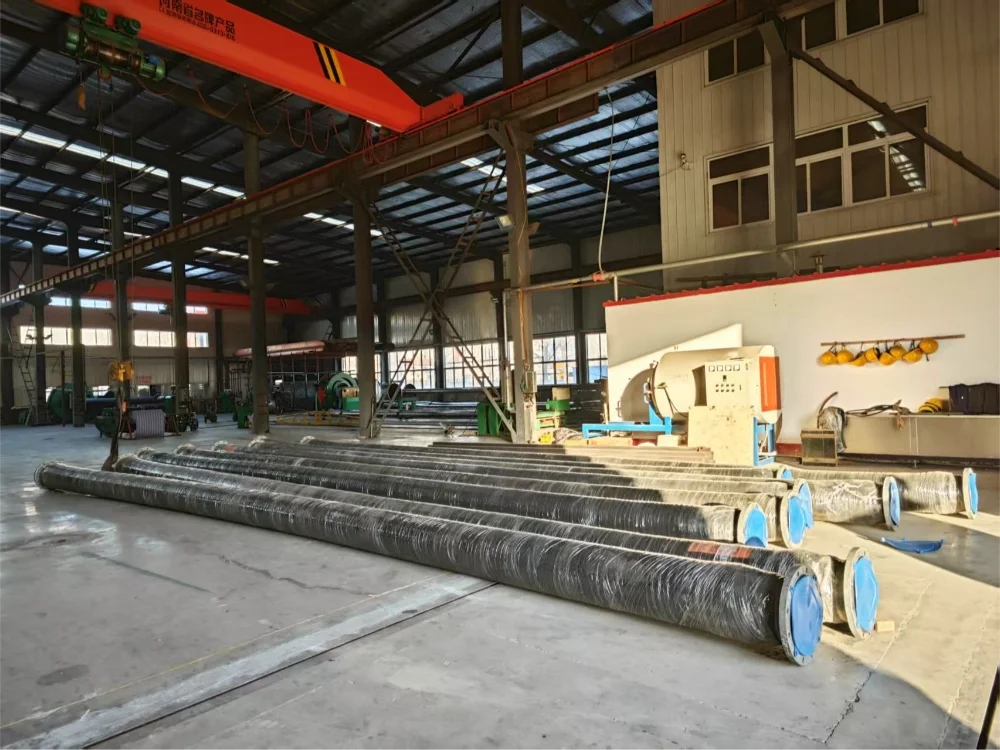
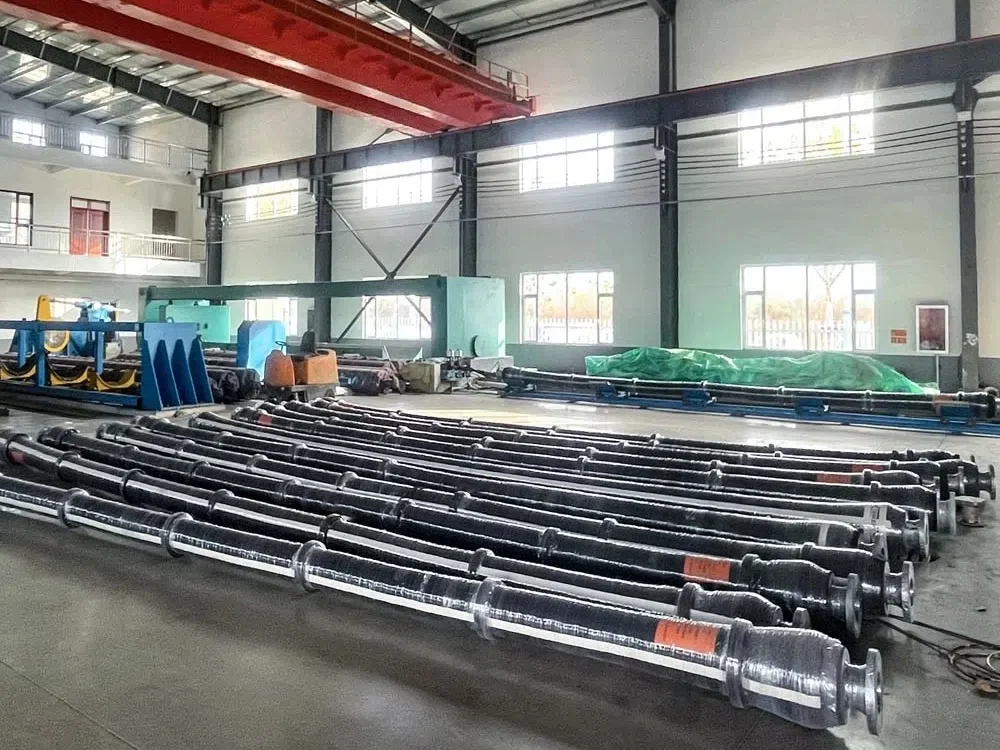
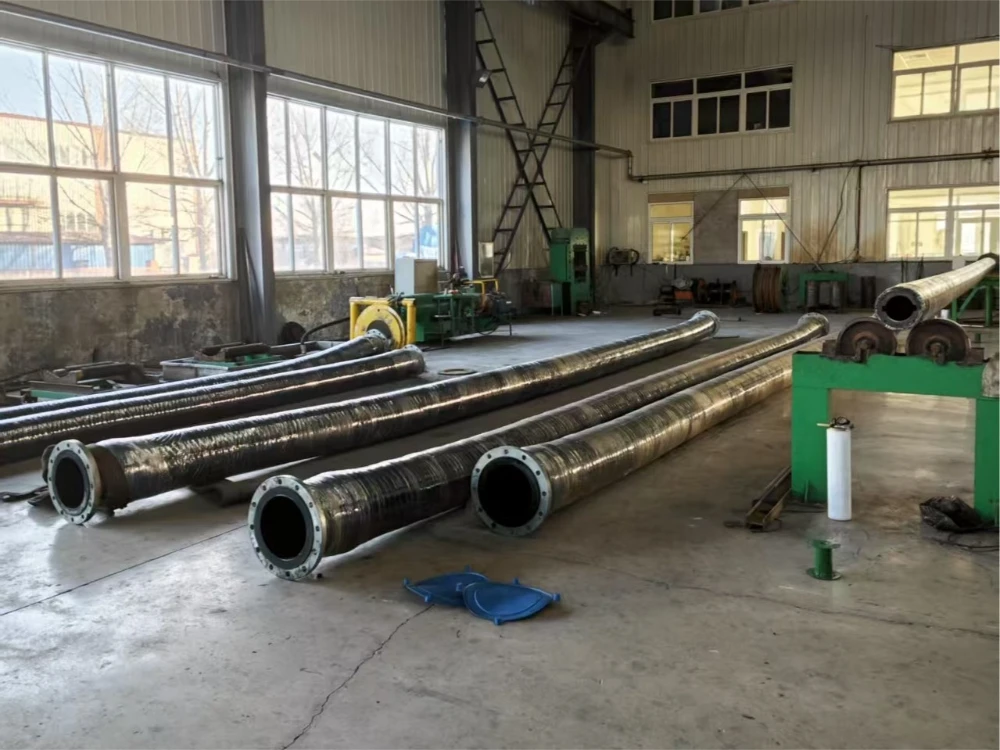
ジェリーボーグの海底ホースは、過酷な海洋環境で使用するために設計されています。そのライニングコンパウンドは高芳香族炭化水素に対して高い耐性を持ち、圧力サージや外部圧縮下でも安定した状態を保ちます。ホース構造は、高い引張強度、強力な層間接着力、優れた破裂圧力能力を備えています。耐摩耗性の外層を持ち、圧力下での浮力損失が少ないJerryborgホースは、オプションで機械式リークディテクターと安全作業荷重を増加させるための吊りラグもご利用いただけます。.

ジェリーボーグの海底ホースはOCIMF規格に適合するよう設計されており、ISO 9001:2015認証の品質システムの下で製造・試験され、一貫した性能を保証しています。.
お問い合わせ
Jerryborg-submarine-hose

海底ホースの種類

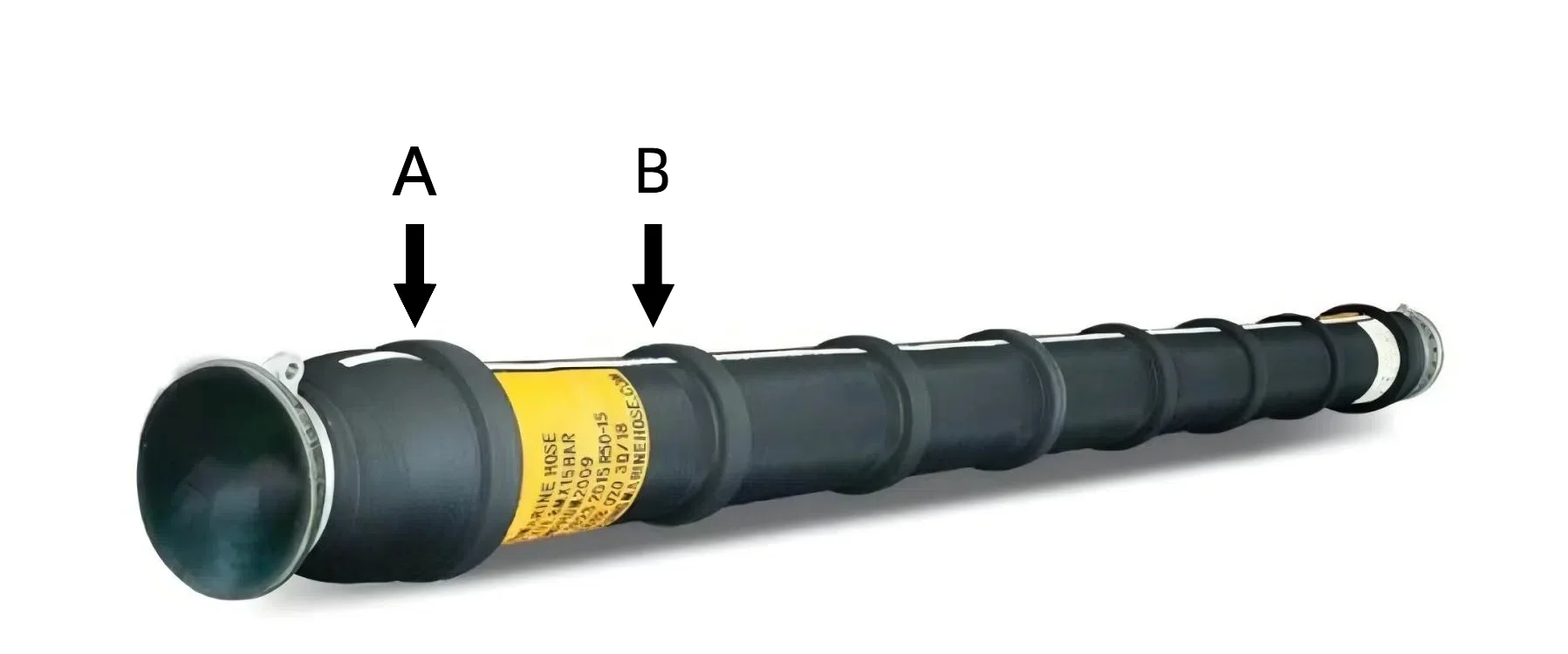
片端補強付き海底ホース(カラー付き)

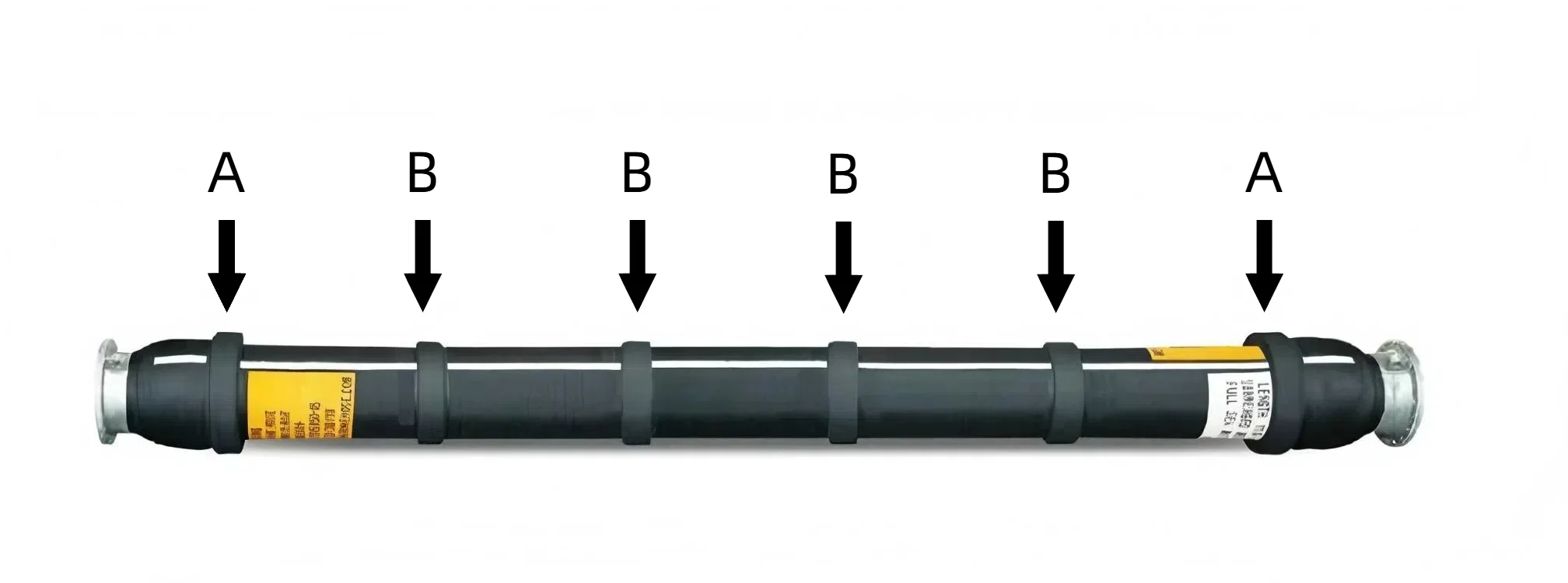
メインラインサブマリンホース(カラー付き)

海底マニホールドやブイの接続に使用するシングルカーカス片補強端海底ホース。.

定格使用圧力:15~19バール
最小曲げ半径:4D(永久変形なしで2Dまで)
電気的導通:不定期または要望に応じて

標準15 bar - 19 bar定格圧力のデータ

公称内径

( mm )   

空気中重量( kg )    外径(mm)    最小曲げ半径 ( m )   
9.1m    10.7m    12.2m    A    B   
150 ( 6” )    382/144    419/161    456/178    368    254    0.6 ( 2.0’ )   
200 ( 8” )    485/218    541/243    596/268    471    311    0.8 ( 2.8’ )   
250 ( 10” )    575/286    756/315    837/344    471    368    1.0 ( 3.3’ )   
300 ( 12” )    893/327    1003/372    1013/417    581    471    1.2 ( 4.0’ )   
400 ( 16” )    1808/659    2028/726    2248/793    697    581    1.6 ( 5.3’ )   
500 ( 20” )    2412/928    2694/1019    2976/1110    799    697    2.0 ( 6.6’ )   
600 ( 24” )    3369/1367    3775/1572    4181/1659    946    799    2.4 ( 8.0’ )   
無料お見積もり

メインラインサブマリンホース(カラー付き)

Submarine-Hose-with-One-End-Reinforcement-with-collars

モノブイシステムで使用される海底マニホールドとブイの接続部を接続するための海底メインラインホースとして使用されるカラー付きシングルカーカスメインラインサブマリンホース。.

定格使用圧力:15~19バール
最小曲げ半径:4D(永久変形なしで2Dまで)
電気的導通:不定期または要望に応じて

標準15 bar - 19 bar定格圧力のデータ

公称内径

( mm )   

空気中重量( kg )    外径(mm)    最小曲げ半径 ( m )   
9.1m    10.7m    12.2m    A    B   
150 ( 6” )    372/144    415/161    458/178    368    254    0.6 ( 2.0’ )   
200 ( 8” )    505/217    561/242    617/267    471    311    0.8 ( 2.8’ )   
250 ( 10” )    681/282    762/311    843/340    471    368    1.0 ( 3.3’ )   
300 ( 12” )    942/346    1052/381    1162/416    581    471    1.2 ( 4.0’ )   
400 ( 16” )    1389/592    1559/659    1729/726    697    581    1.6 ( 5.3’ )   
500 ( 20” )    1840/837    2072/928    2304/1019    799    697    2.0 ( 6.6’ )   
600 ( 24” )    2704/1254    3030/1399    3356/1544    946    799    2.4 ( 8.0’ )   
無料お見積もり

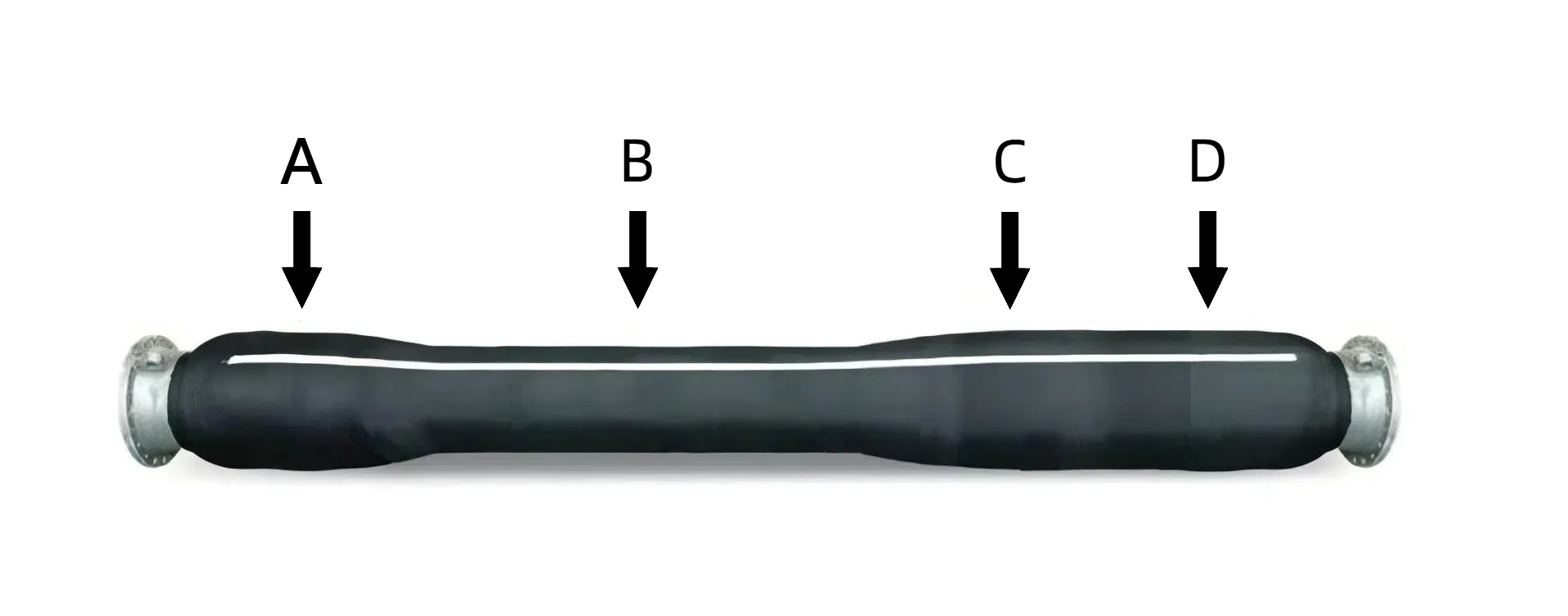
片端補強付き海底ホース

Mainline-Submarine-Hose

海底マニホールドやブイの接続に使用するシングルカーカス片補強端海底ホース。.

定格使用圧力:15~19バール
最小曲げ半径:4D(永久変形なしで2Dまで)
電気的導通:不定期または要望に応じて

標準15 bar - 19 bar定格圧力のデータ

公称内径

( mm )   

空気中重量( kg )    外径(mm)    最小曲げ半径 ( m )   
9.1m    10.7m    12.2m    A    B    C    D   
150 ( 6” )    364/141    402/156    440/171    305    210    240    320    0.6 ( 2.0’ )   
200 ( 8” )    473/215    524/238    575/261    355    265    295    375    0.8 ( 2.8’ )   
250 ( 10” )    658/282    731/309    804/336    415    320    345    430    1.0 ( 3.3’ )   
300 ( 12” )    836/325    928/354    1020/383    485    375    410    500    1.2 ( 4.0’ )   
400 ( 16” )    1738/642    1928/701    2118/760    575    475    540    645    1.6 ( 5.3’ )   
500 ( 20” )    2312/904    2554/984    2796/1064    695    580    650    780    2.0 ( 6.6’ )   
600 ( 24” )    3244/1338    3600/1467    3956/1596    810    700    775    905    2.4 ( 8.0’ )   
無料お見積もり

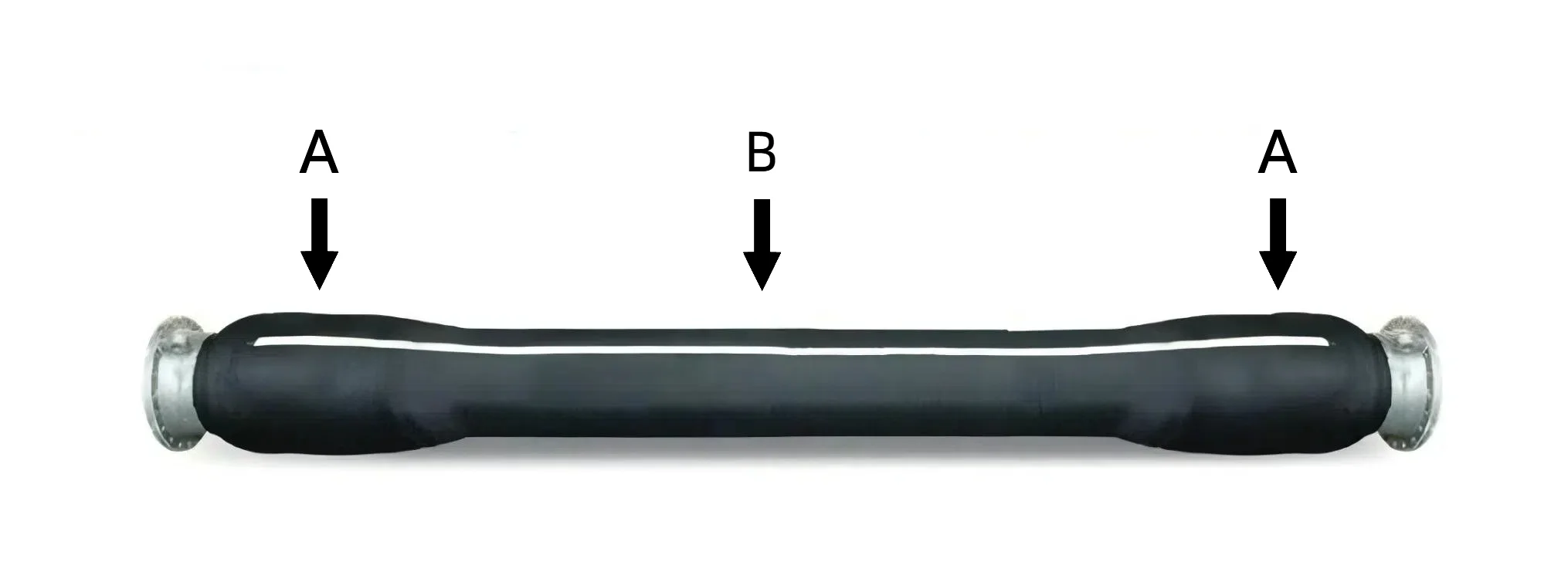
メインラインサブマリンホース

Submarine-Hose-with-One-End-Reinforcement

モノブイシステムで使用される海底マニホールドとブイの接続部をつなぐストリングのメイン海底ホースとして使用されるシングルカーカスホースのメインライン海底ホース。.

定格使用圧力:15~19バール
最小曲げ半径:4D(永久変形なしで2Dまで)
電気的導通:不定期または要望に応じて

標準15 bar - 19 bar定格圧力のデータ

公称内径

( mm )   

空気中重量( kg )    外径(mm)    最小曲げ半径 ( m )   
9.1m    10.7m    12.2m    A    B   
150 ( 6” )    342/137    380/152    418/167    305    210    0.6 ( 2.0’ )   
250 ( 10” )    639/272    712/299    785/326    415    320    1.0 ( 3.3’ )   
300 ( 12” )    810/305    902/334    994/363    485    375    1.2 ( 4.0’ )   
400 ( 16” )    1216/560    1359/619    1502/678    575    475    1.6 ( 5.3’ )   
500 ( 20” )    1600/778    1792/858    1984/938    695    580    2.0 ( 6.6’ )   
600 ( 24” )    2404/1180    2680/1309    2956/1438    810    700    2.4 ( 8.0’ )   
無料お見積もり

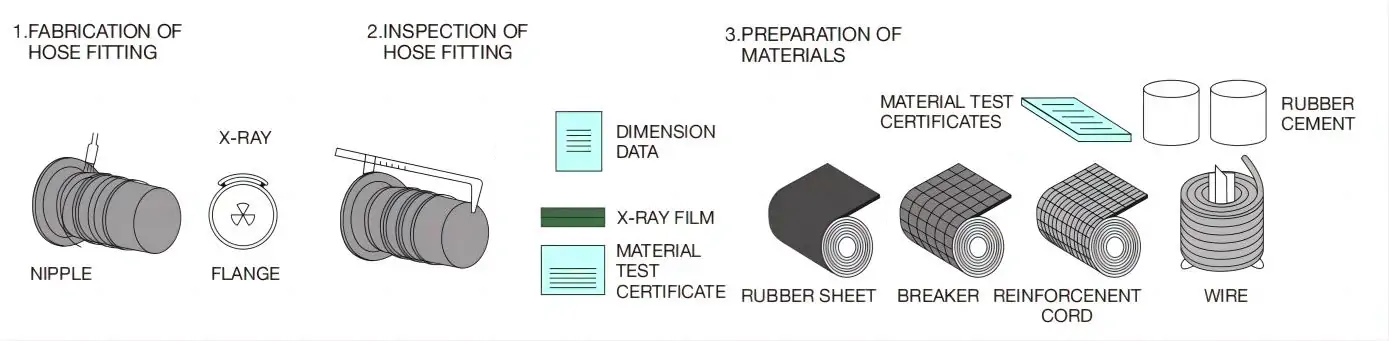
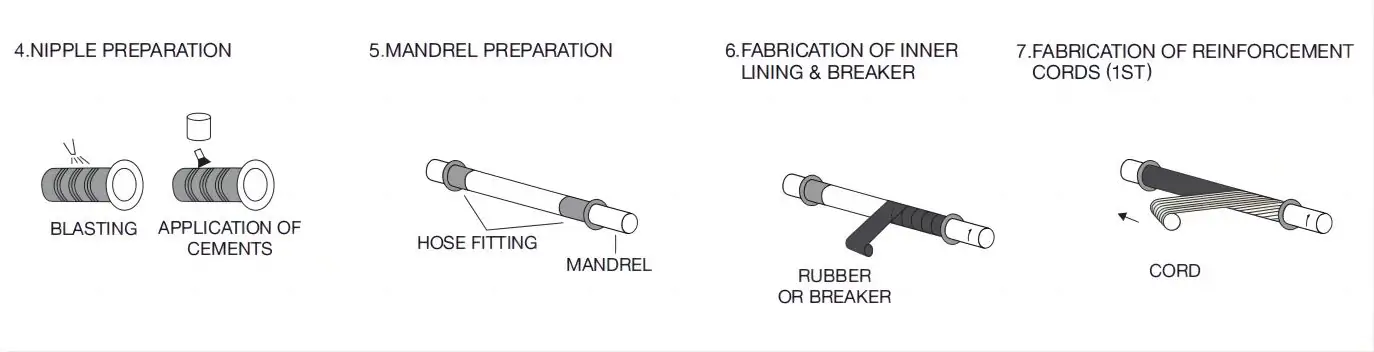
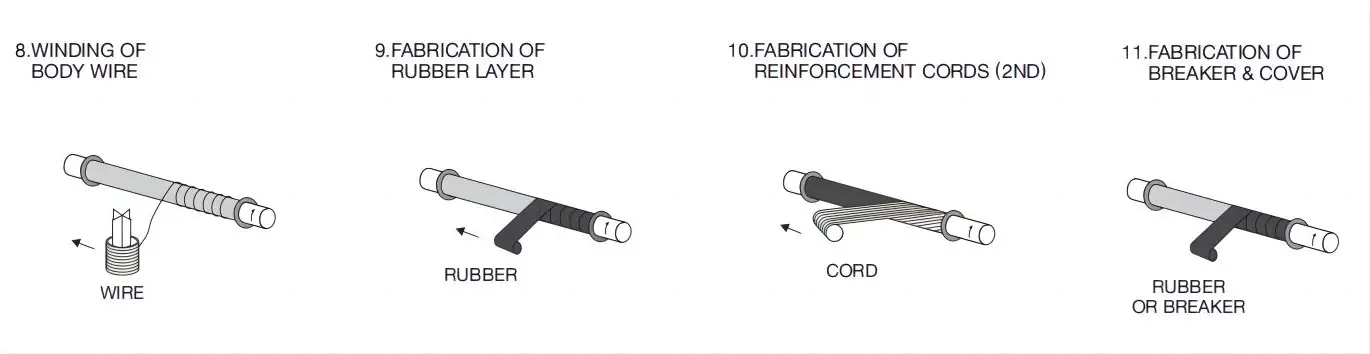
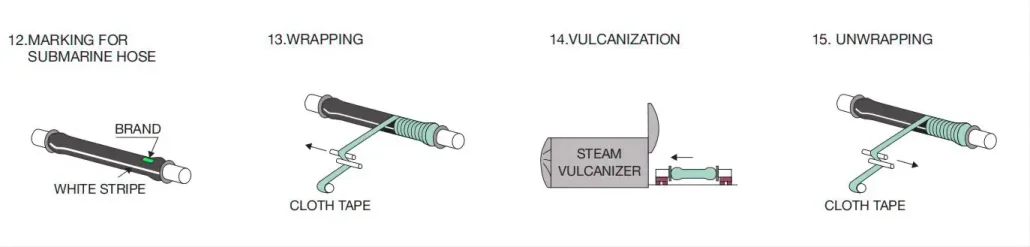
海底ホース/ベースホース製造工程

Submarine-Hose-Base-Hose
Submarine-Hose-Production-Process
Base-Hose-production-process
Production-Process

ジェリーボーグ海底ホースの利点

オフショアでの実務経験に基づく

  • 水深、潮汐、ブイの動き、波のパターンなど、実際の作業条件を考慮して設計されている。.

頑丈で柔軟な構造

  • 深海やダイナミックな環境で求められる高い強度と柔軟性を兼ね備えている。.

プロテクションを高める二重裏地

  • 特別に開発されたセカンドライナーにより、攻撃的な液体への耐性が向上。.

低応力端部接続

  • エンド・コネクションは、有限要素解析を使用して設計されており、応力を最小限に抑え、ホースの寿命を延ばします。.

耐疲労構造

  • 繰り返し曲げたり動かしたりしても、経年変化による性能劣化がないように設計されている。.

自社製ライナー

  • ライナーは、H₂S、高芳香族、MTBE、および他の困難な媒体に対する一貫した耐性を確保するために社内で開発・製造されています。.

深い崩壊を防ぐ

  • 当社の潜水艦用ホースは、空ホースであっても、大深度での圧縮や崩壊に対して優れた耐性を示すように設計され、テストされています。.

GMPHOM2009ガイドラインに従って製造

  • ホース構造は、重要な海洋用途の業界基準を満たしています。.
Jerryborg-Submarine-Hoses
Advantages-of-Jerryborg-Submarine-Hoses

よくある質問

In marine liquid transport projects, if the pipeline needs to be laid underwater for extended periods and should not be affected by surface operations and ship activity, submarine hoses are typically chosen. These hoses are generally laid on the seabed or fixed at a certain depth for connecting vessels, offshore facilities, or shore-based pipelines. Compared to surface-floating transport methods, underwater hoses are more stable, less susceptible to external environmental interference, and more suitable for projects with continuous operation.

Jerryborg Marine’s submarine hoses are primarily used in these relatively fixed transport conditions with long operating cycles.

In actual projects, the main difference between submarine hoses and floating hoses lies in their deployment method and operating environment. Floating hoses operate on the surface, while submarine hoses are permanently submerged.

This means that submarine hoses require more consideration of water pressure, seabed conditions, and long-term immersion during design. During project communication, Jerryborg Marine typically confirms the hose’s laying depth and operating environment before deciding on the most suitable hose type.

The water depth at which submarine hoses are laid varies depending on the project. Some projects only require laying in shallow near-shore waters, while others involve transport in deeper waters.

Water depth directly impacts the hose’s structural design and selection. In actual projects, Jerryborg Marine considers water depth and operational methods to provide underwater hose configurations suitable for the specific water conditions, rather than simply using a uniform specification.

In marine transport projects, submarine hoses are primarily used for the underwater transport of crude oil, refined oil products, and other liquid media. Different media vary in flow rate, temperature, and frequency of use.

These factors all affect the hose’s actual performance. When selecting a hose, Jerryborg Marine typically considers the media characteristics and project operating methods to ensure it best meets the actual transport requirements.

Underwater operating environments are relatively complex; ocean currents, seabed conditions, and prolonged immersion can all affect the hose. Submarine hoses need to maintain structural stability during transport while adapting to environmental changes.

Therefore, in actual projects, the hose laying method and usage conditions often need to be planned in advance. Jerryborg Marine assists clients in identifying these environmental factors early in the project, ensuring the hose is best suited to the site conditions.

Submarine hoses are typically used in marine transport systems with well-defined structures and relatively fixed connections. Examples include liquid transport systems between vessels and shore-based facilities, or connections between vessels and offshore platforms, mooring buoys, etc. In these systems, the hoses operate underwater for extended periods, do not participate in surface operations, and do not require frequent repositioning. Therefore, underwater deployment is more suitable to ensure operational continuity and stability.

In actual projects, we consider the system structure, connection methods, and operational cycle to determine whether a submarine hose is appropriate. Jerryborg Marine also assists clients in confirming the rationality of underwater delivery solutions based on this information in the early stages of a project.