


The correct size of the anchor line ensures the smooth stay of boats and vessels. This size varies with the water conditions, tides, and weather. So, you’ll have to calculate the right size of anchor line every time you want to anchor your boat. However, this calculator is very tricky and can easily confuse many. There arises a question: how long should your anchor line be? The answer to this question depends on the weather and water depth. Once you know these two parameters, calculating the right size becomes easy. There is a simple formula and mathematical calculation to find the size of the anchor line. In this article,…
30
12月
12月
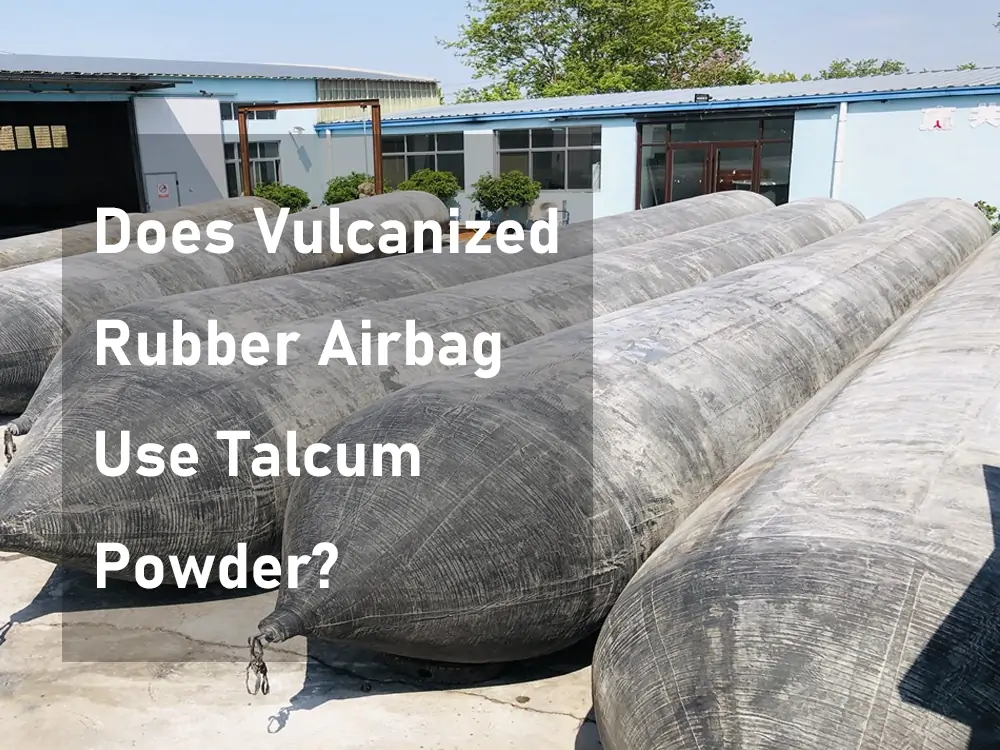
Marine fenders and airbags have become a must-have for maritime industries. Vulcanized rubber is generally used to make those airbags. This rubber is strong, durable, and elastic, making it ideal for bear shocks and wear. However, many people ask: does vulcanized rubber airbag use talcum powder? The answer is YES. Most marine or automobile airbags use talcum powder. This powder provides durability, offers better handling, and reduces stickiness. Remember, its usage is optional but not mandatory. However, using it will make the airbag more premium in terms of performance. Remember, airbags make vessels and their journey safer and smoother. However, manufacturing those airbags is not as straightforward as…
12
12月
12月
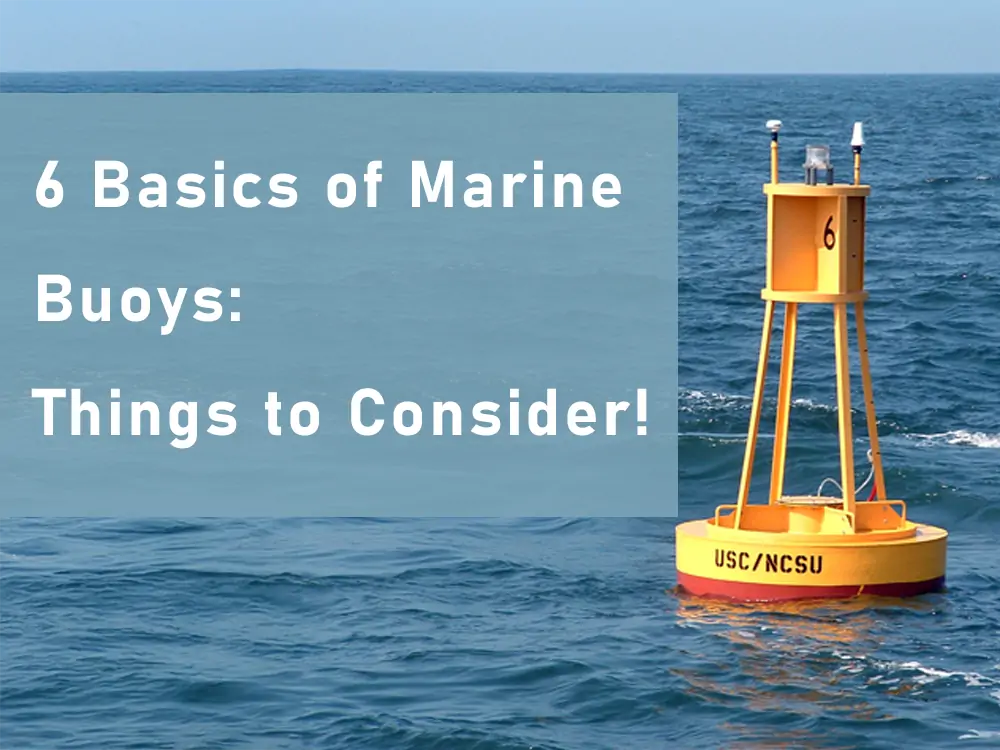
Marine buoys are of the utmost importance in maritime navigation. Their presence ensures ships’ safe passage. Despite their value, many people don’t understand the basics of marine buoys. This is because buoys have many types, which cause confusion. Some of them are used at a trim level to navigate small boats. On the flip side, some large buoys help maneuver the large vessels. Buoy selection depends on the needs. In this article, I’ll explain the purpose of buoys. You’ll also learn a few essential basics that can significantly impact buoy selection and use. So, let’s get started! Overview of Marine Buoys Marine buoys are floating devices installed in…
25
ノヴ
ノヴ
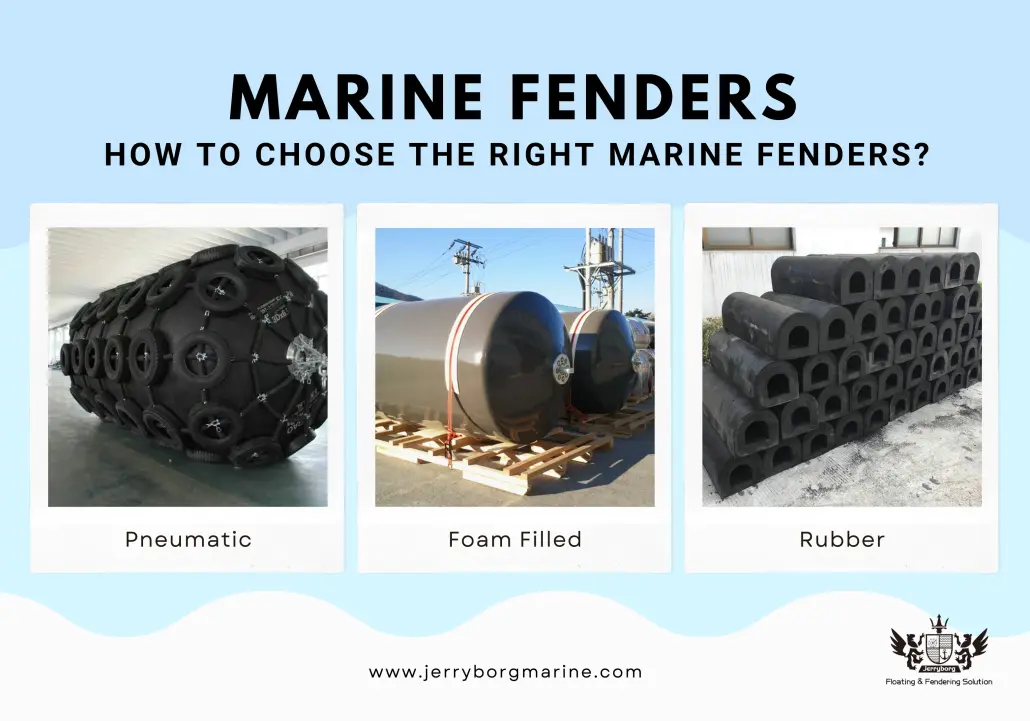
Marine fenders are safety equipment and are technically compulsory for every vessel. They typically act as a cushion between ships and berthing areas. During docking and mooring, when a boat arrives at a pier, it experiences a sudden hit. Marine fenders generally play a crucial role in absorbing the impact. The main job of ship fenders is to keep the damage to the ship and the pier to a minimum. They also contribute significantly to overall marine safety by absorbing the kinetic energy of the boats. This absorption generally reduces the structural damage of your boat. Boat fenders come in many shapes and sizes. These shapes and sizes…
18
ノヴ
ノヴ
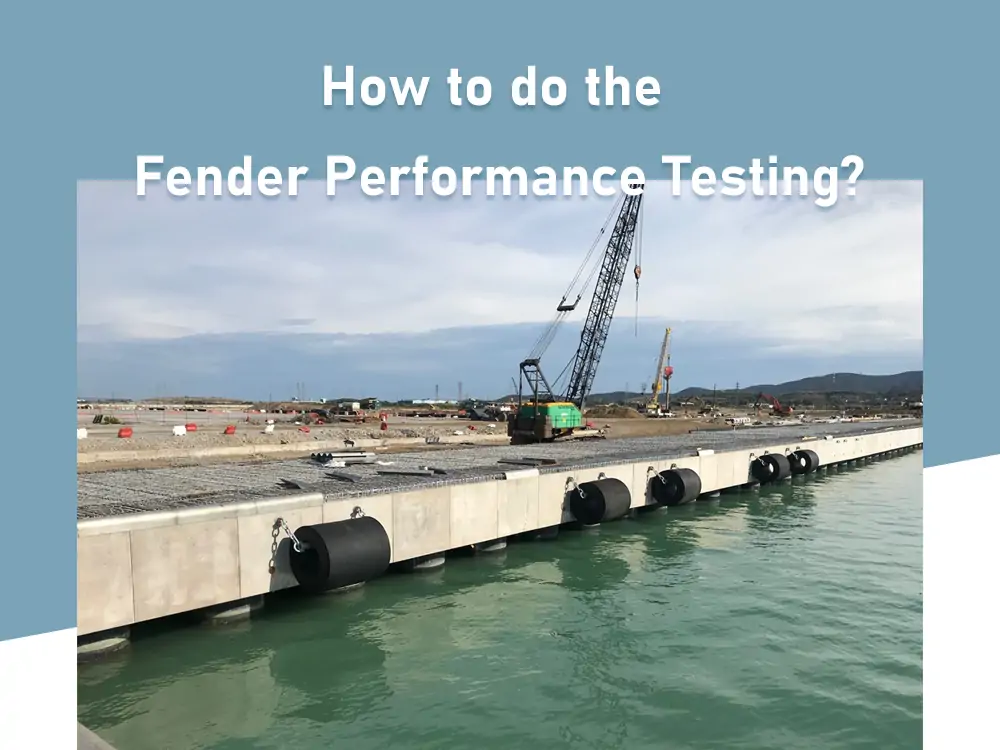
Marine fenders act as a safeguard in boats and vessels. They ensure the safe docking of the ships by absorbing the impact. However, many people wonder how these fenders perform their duty so perfectly. Several tests are conducted to ensure their excellent performance. Are you curious about how to do the Fender performance testing? Knowing these performance tests is crucial, especially if you are in the marine field. These tests ensure that the fenders you have bought or prepared are safe to use. Are you new to that testing system? Worry not! In this article, I will discuss how to conduct fender performance testing straightforwardly. So, let’s begin! …
24
10月
10月
Recently, we discussed the structure of marine buoys. In that article, I mentioned that different types of boating buoys are used in the aquatic world. Their primary purpose is to indicate a safe path or channels on the sea or rivers. However, their structures and ways of working are different. Interestingly, each different boating buoy type marks specific instructions for the boaters. Boaters that don’t understand the meaning of buoys can go on the wrong channels. The buoy types are indeed complex to understand. But worry not! I’ll explain them in the easiest possible way. In the end, you’ll be able to comprehend buoys, their markings, and their meanings….
08
10月
10月
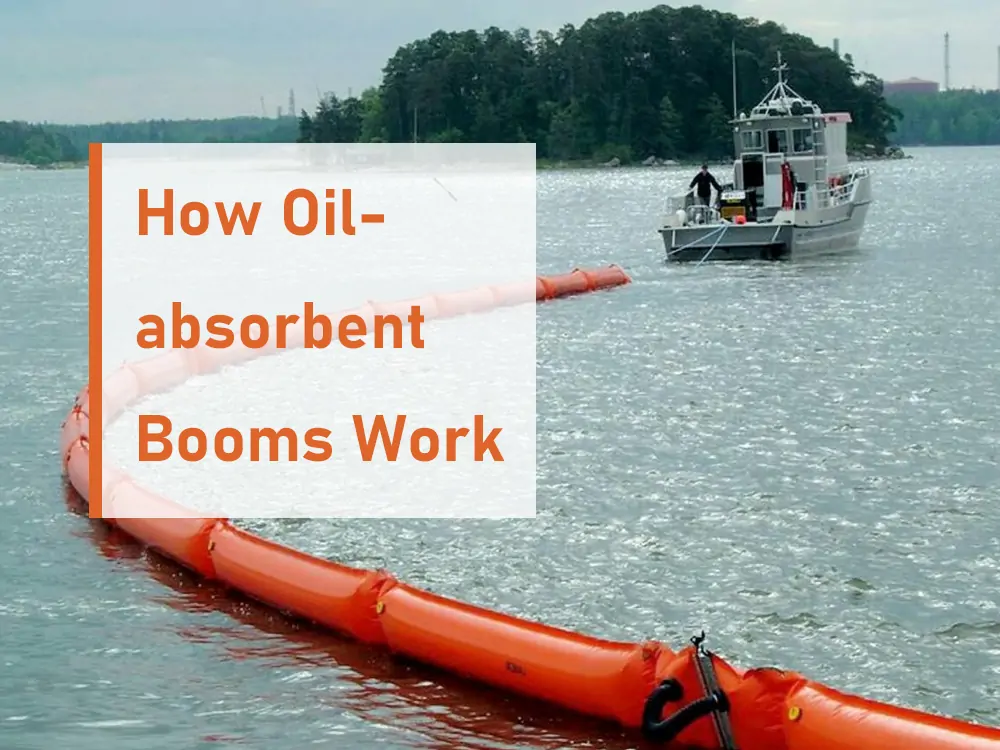
Oil is one of the leading causes of contamination in water bodies. However, marine industries are a significant source of oil pollution for oceans. They use marine vessels that drain oil in the oceans. Oil-absorbent booms come into the scene to tackle this issue. But the question arises: How do oil-absorbent booms work? It is crucial to know their work because they save marine life. HOW? Oil forms a layer on the surface of water. This layer hinders sunlight from reaching deep and causes fish to die. This depletion of marine life somehow affects our environment, too. Are you curious about these sorbent booms? Let’s discuss the basics of…
19
9月
9月
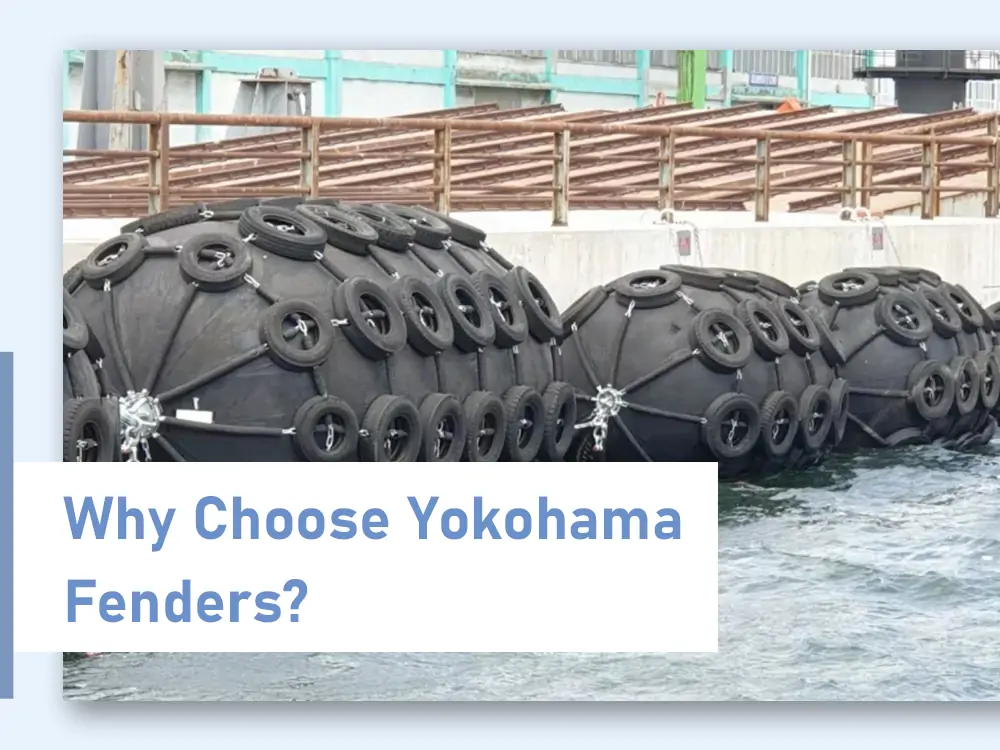
Fenders are an integral component of the maritime industry. They enhance the safety and longevity of ships and vessels. Different types of fenders are available, but the Yokohama fenders are the most popular. Their unique characteristics make them stand out. Despite their excellent features, people ask: Why Choose Yokohama Fenders? This question can be confusing to someone new to this industry. I know that the seniors are well-known for how good these fenders are! But newbies don’t get their scope. These fenders’ extensive usability makes them consider why they are prioritized over others. This article will explain these questions. In the end, you’ll have questions unheard! Overview of…
10
9月
9月
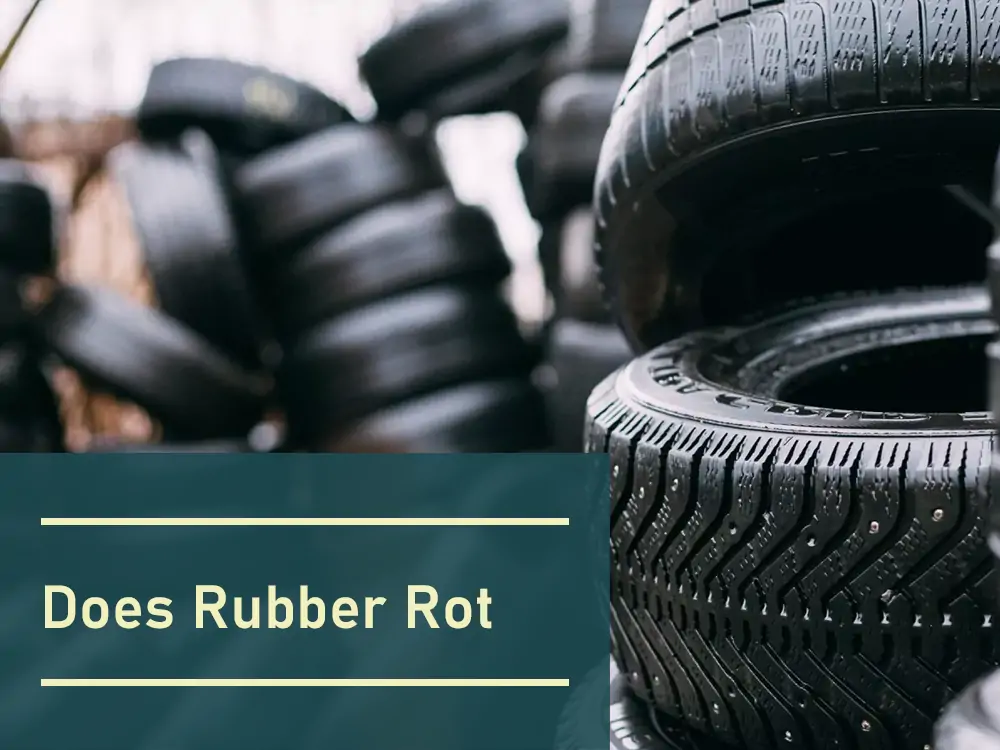
Rubber has extensive usability. From car tires to marine fenders, this material serves its purpose perfectly. However, rubber has a specific life and starts to weaken after that. This weakening of rubber material makes people ask: Does rubber rot? No, rubber does not rot. Instead, it degrades. Rotting is common in organic matters like wood. Degradation of deterioration is standard in the rubber material. So, the material starts to lose its quality. Many factors contribute to its degradation, such as heat, UV rays, oxidation, etc. Rotting and degradation are two different concepts. Rubber, either natural or synthetic, undergoes deterioration over time. Understanding this topic is essential for buying…
26
8月
8月
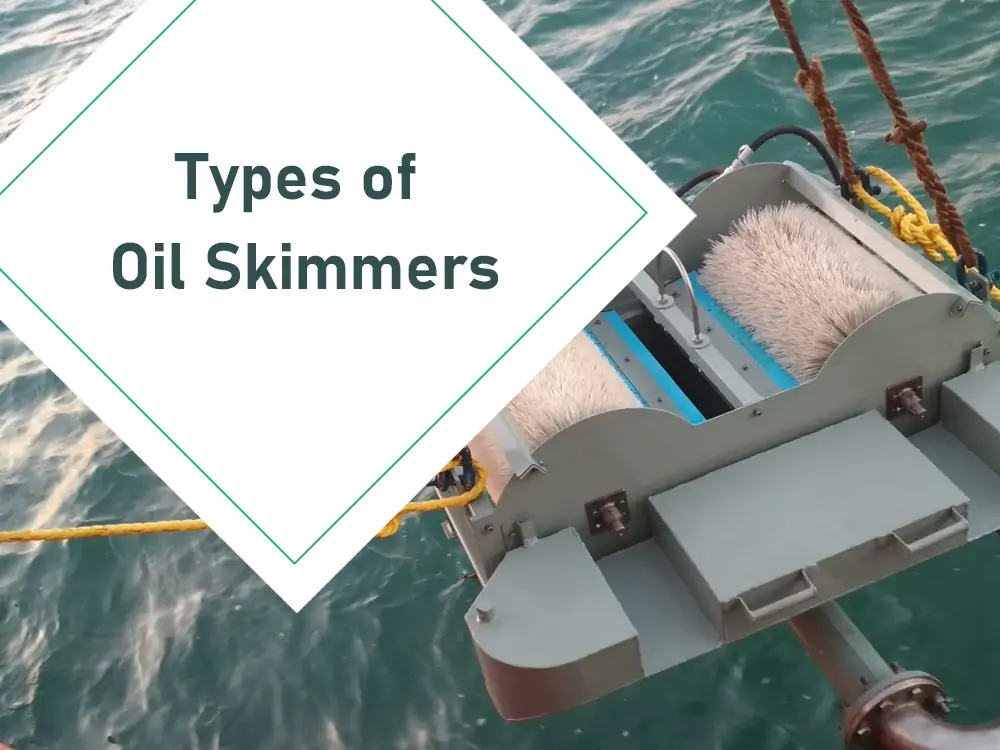
The marine industry, consisting of ships and vessels, uses oil for its operations. Those vessels consume large amounts of oil and can produce oil spills. Draining this waste oil into the ocean would be a worse idea. We can save water from this oil by using different types of oil skimmers. Knowing that this oil forms a layer on the water’s surface is essential. The oil layer stops the supply of oxygen and sunlight to marine animals, resulting in many animal deaths. However, we can minimize this risk by skimming. But the skipping process is least understood. Various types of skimmers are available. It is essential to recognize…