Jerryborg drijvende olieslangen

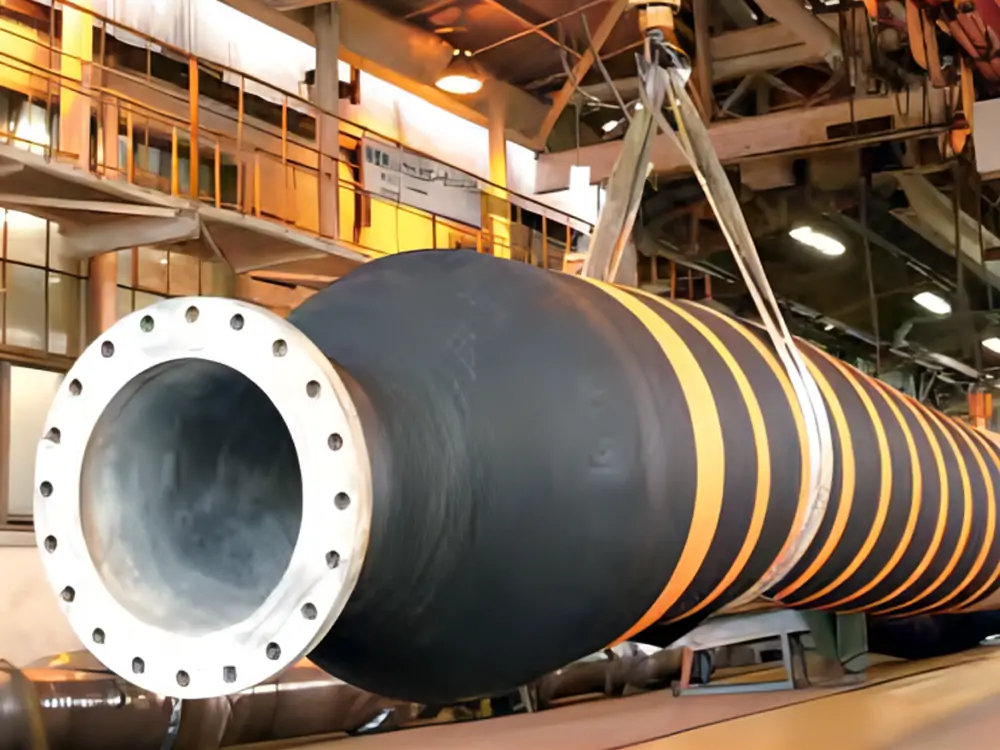
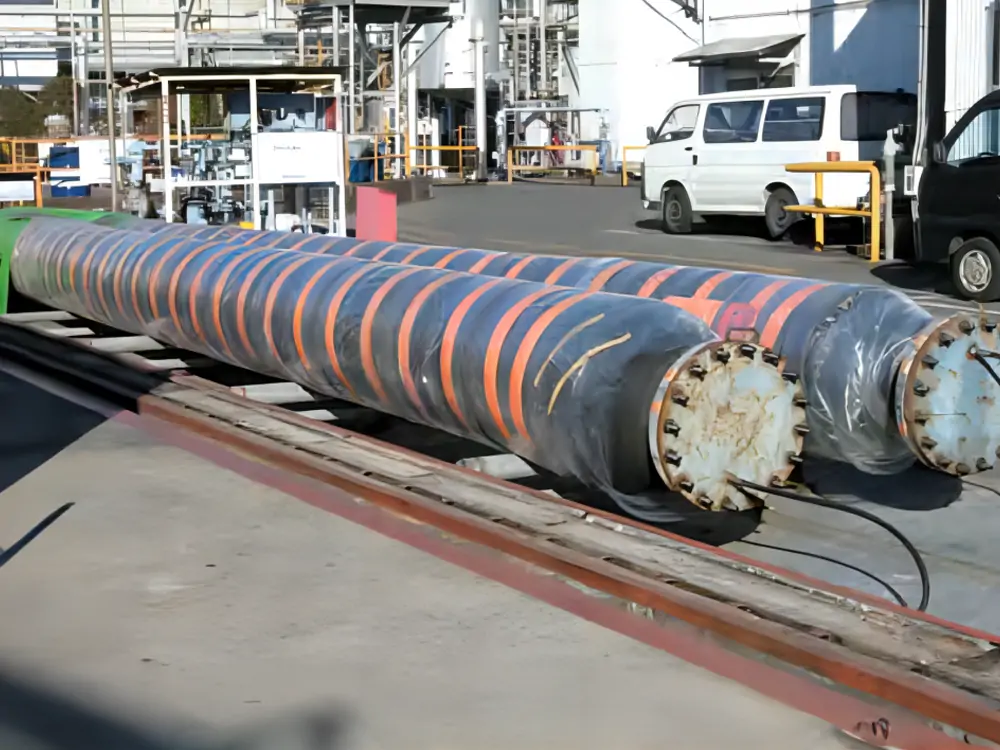
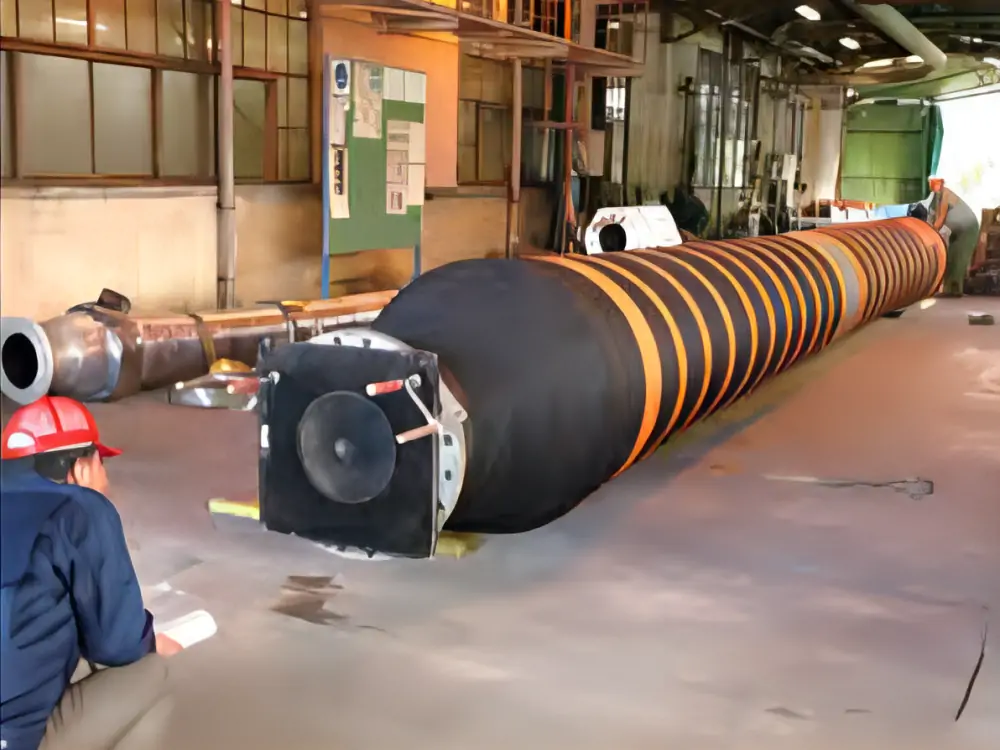
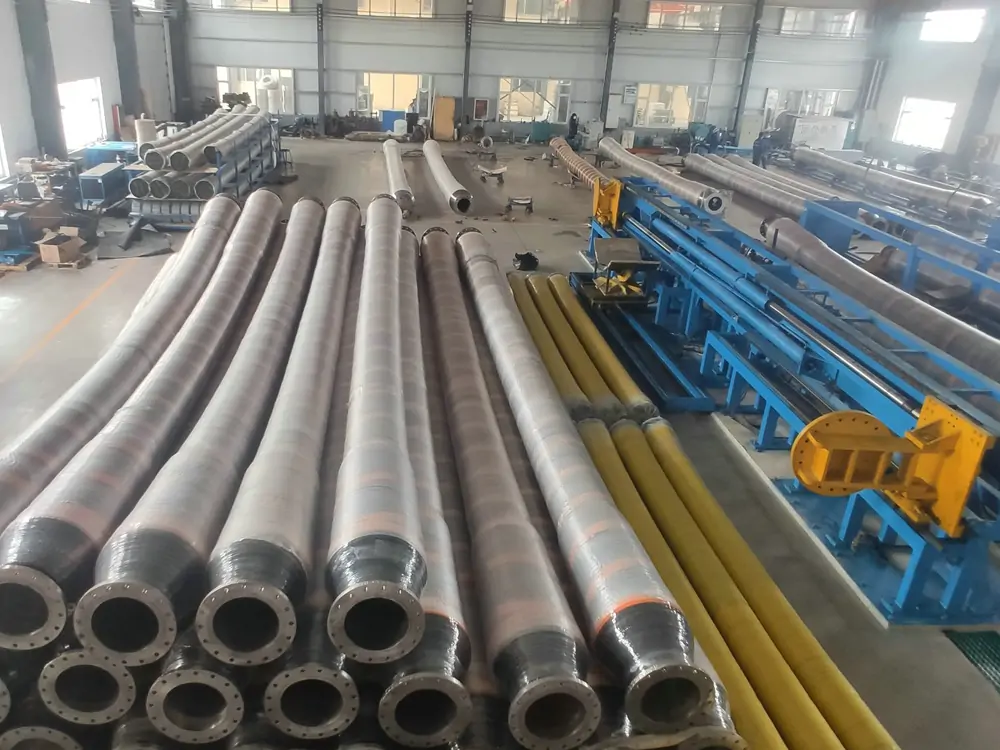
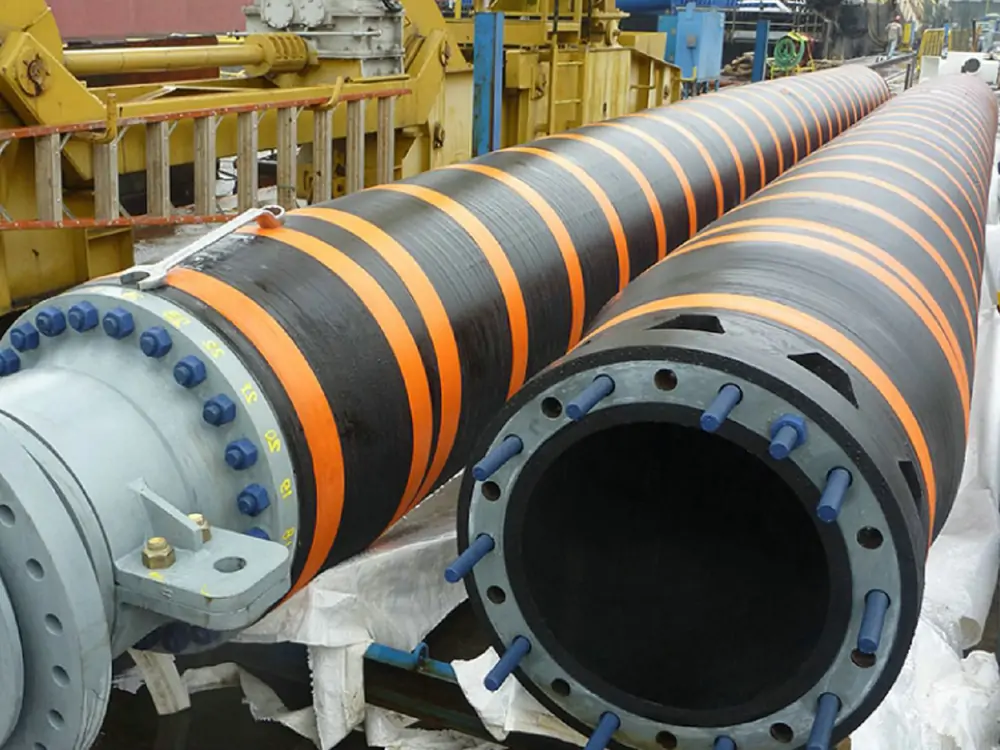
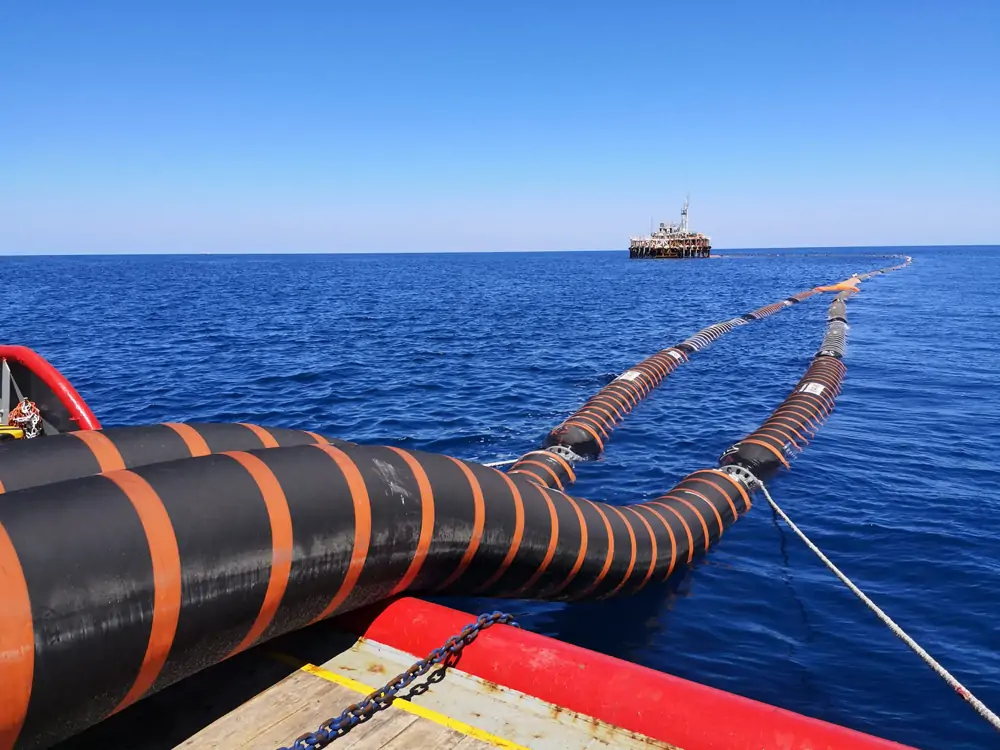
Jerryborg Marine drijvende olieslang is ontworpen voor offshore olielozing. Het is een zelfdrijvende slang die ruwe olie en petroleumproducten overbrengt van offshore schepen en afmeersystemen. De drijvende olieslang is geschikt voor de meeste media, zoals olie (tot 50 procent aromatisch gehalte), water, pekel, bariet, cement, etc.

Jerryborg Marine drijvende olieslangen zijn ontworpen en geproduceerd in volledige overeenstemming met de OCIMF-normen. Onze drijvende olieslangen voor de scheepvaart worden vervaardigd en getest in overeenstemming met de eisen van de ISO 9001:2015 kwaliteitsnormen.
Neem contact met ons op
Jerryborg-Floating-Oil-Hoses

Typen drijvende olieslangen

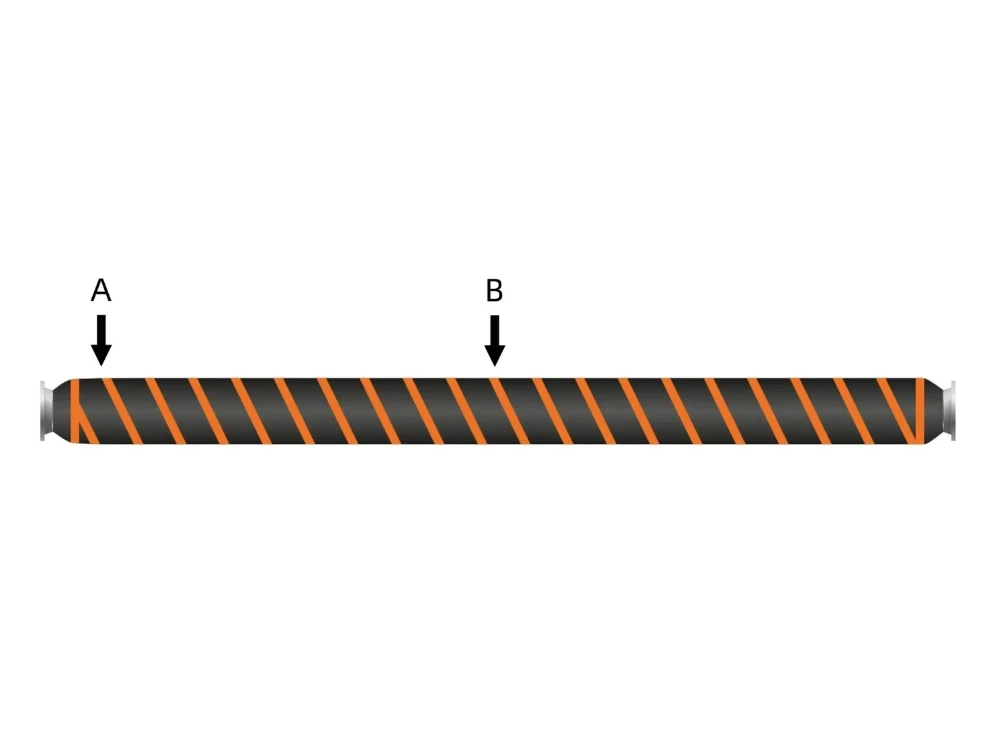
Mainline Volledig Drijvende Slang

Mainline Volledig Drijvende Slang

Deze slang is de belangrijkste pijpleiding van een offshore olieoverdrachtsysteem. Ze heeft meestal een dubbelwandige constructie en een schuimrubberen drijflaag. Het minimale restdrijfvermogen is minstens 20%. Ze kan gebruikt worden in afmeersystemen zoals CALM (Catenary Anchor Leg Mooring) en CBM (Conventional Buoy Mooring).

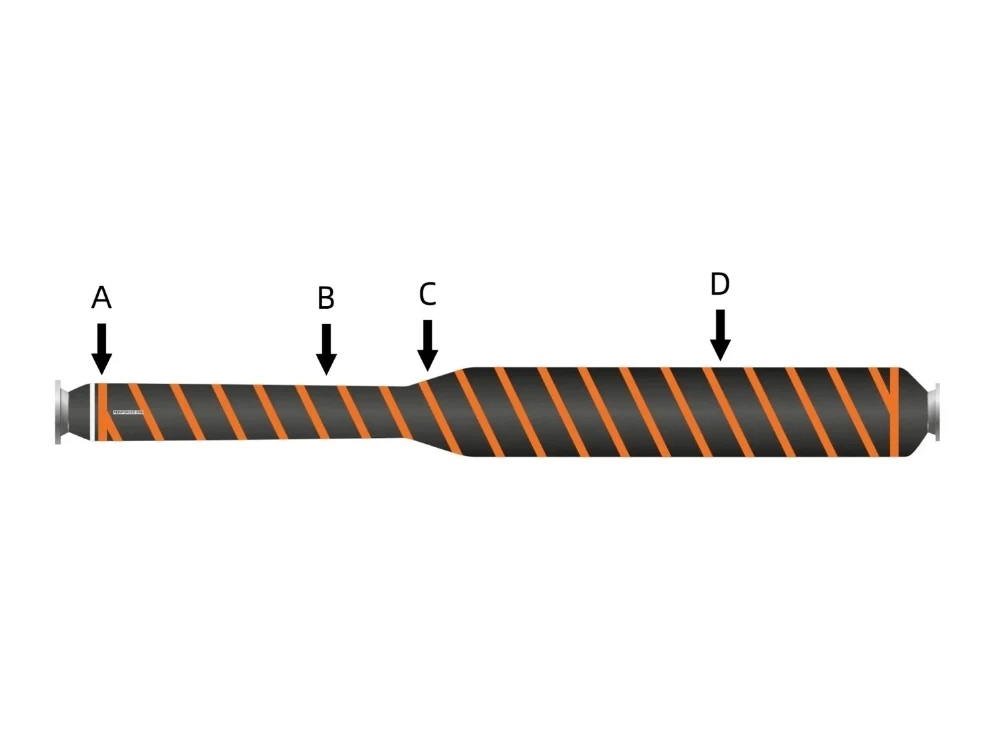
Versterkte halfdrijvende slang aan één uiteinde

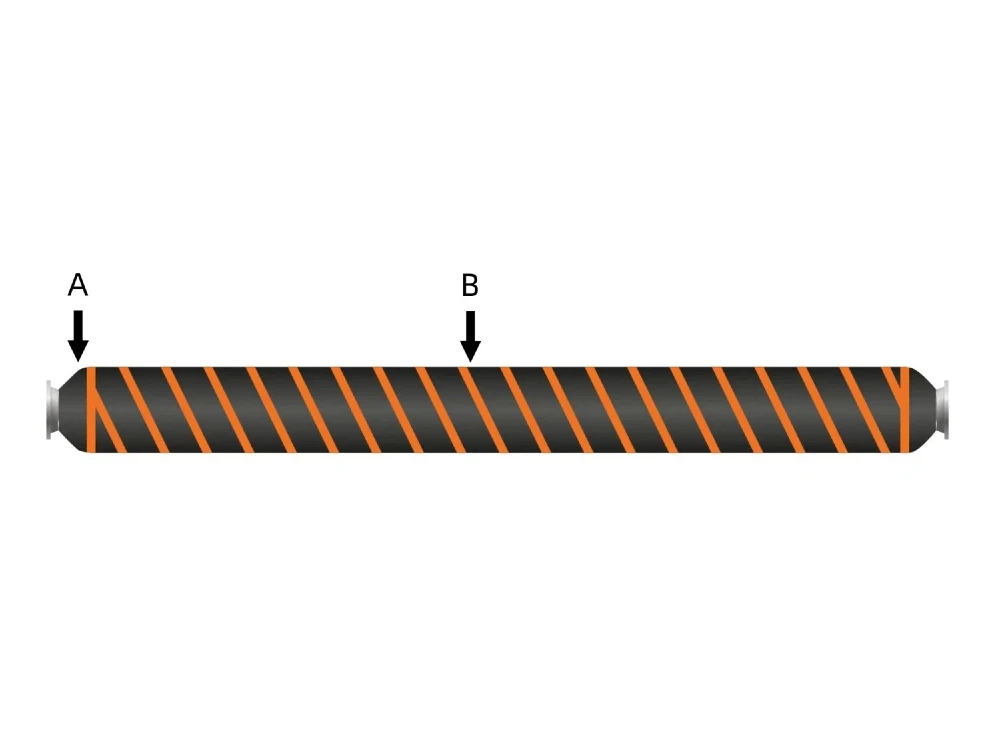
Deze slang heeft een extra verstevigingslaag aan één uiteinde. De structuur houdt het midden tussen drijvende en ondergedompelde slangen. Hij wordt meestal gebruikt als overgang tussen een volledig drijvende hoofdlijnslang en een ondergedompelde slang.

Versterkte halfdrijvende slang aan één uiteinde
Mainline Volledig Drijvende Slang

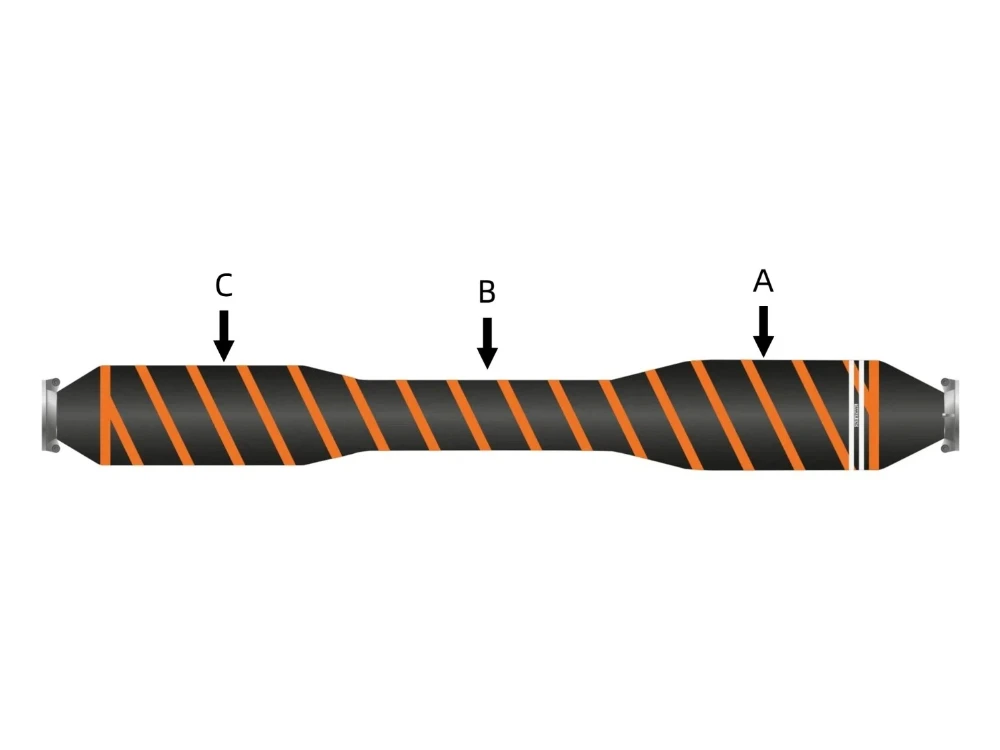
Tanker Rail Volledige halter Drijvende slang

Het wordt een halterslang genoemd vanwege de halterachtige vorm. Hij wordt meestal opgehangen aan de zijkant van een tankwagen (reling). Hij kan vrij bewegen met de beweging van de tanker. Hij is rechtstreeks verbonden met het olieoverdrachtspruitstuk van de tanker en wordt daarom de "verbinding" tussen de tanker en het offshore drijvende slangensysteem genoemd.

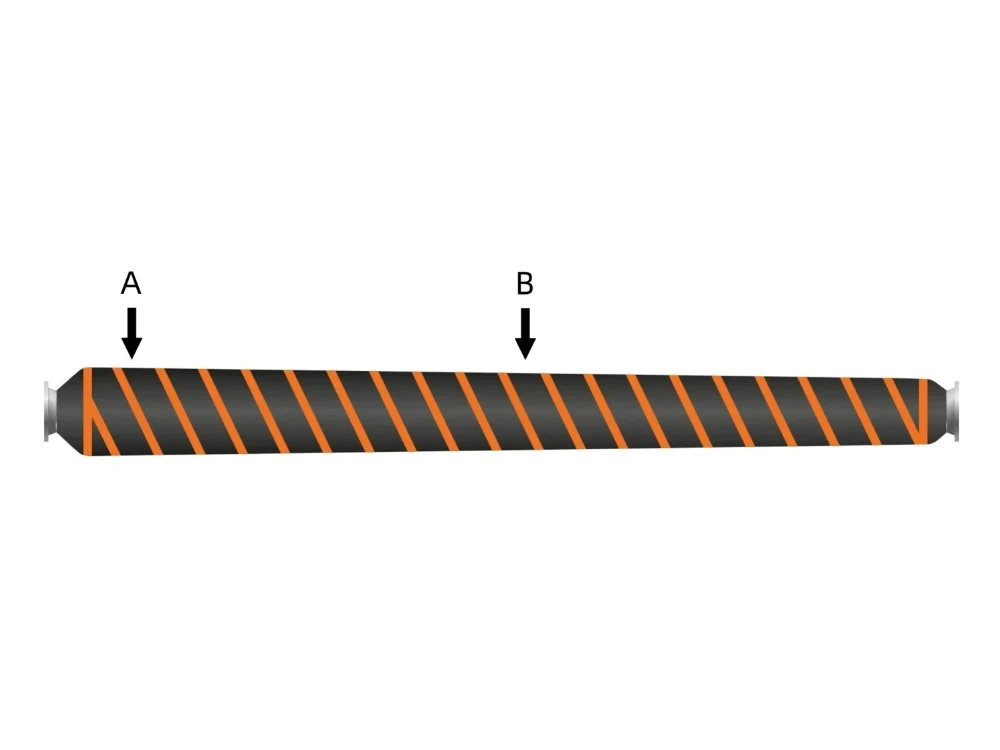
Verloopstuk Volledig drijvende slang

Een verloopslang kan twee slangen met verschillende diameters met elkaar verbinden, bijvoorbeeld tussen een apparaataansluiting en een hoofdslang. Daarom wordt hij ook wel "verloopstuk" genoemd. Het wordt gebruikt in leidingsystemen waar leidingdiameters moeten veranderen, zodat er een overgang tussen leidingen ontstaat.

Verloopstuk Volledig drijvende slang
Staart Volledig Drijvende Slang

Staart Volledig Drijvende Slang

De uitlaatpijp is het laatste deel van de slang dat op de boei wordt aangesloten. Hij is zeer flexibel en kan de beweging van de boei volgen. Hij kan worden gebruikt als het eerste verbindingsgedeelte tussen een eenpuntsboei en een onderwaterslang.

Drijvende olieslangconstructie

Single-carcass-Floating-Oil-Hose

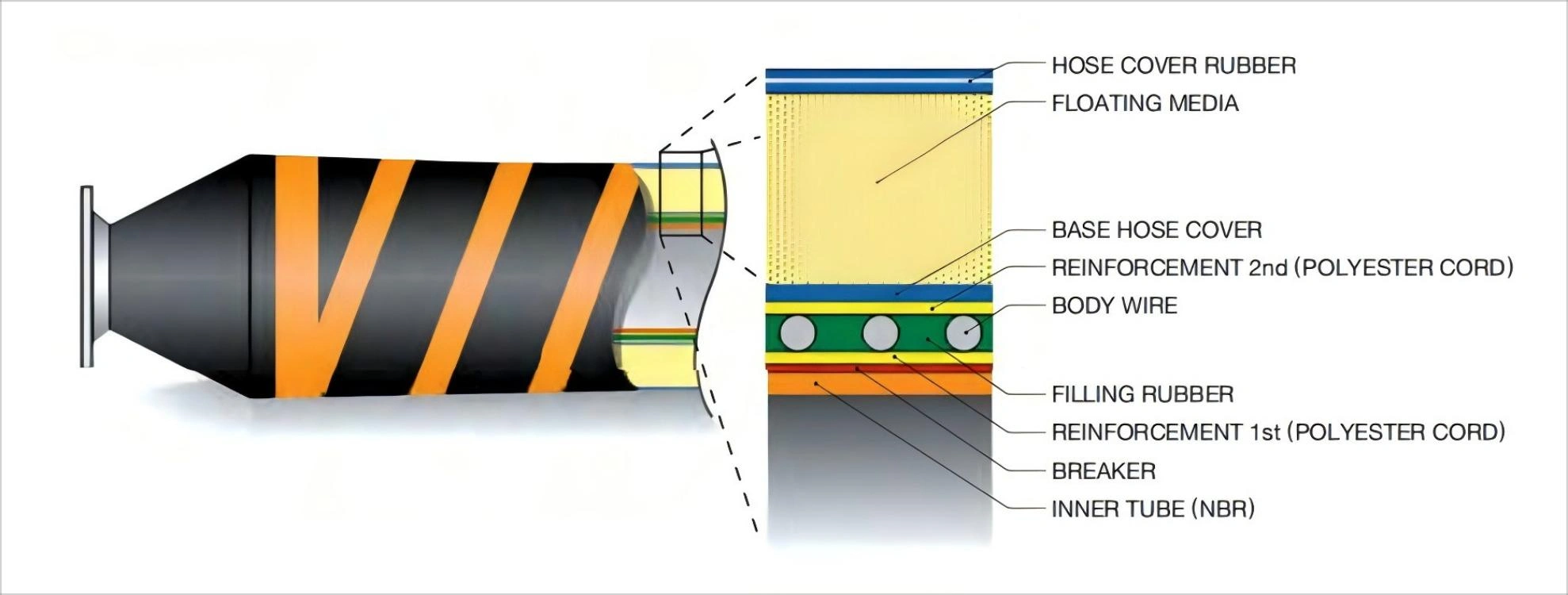
Drijvende slang met enkele mantel

  1. De binnenvoering kleeft strak aan het metalen uiteinde en de slanglagen wikkelen zich mooi om elkaar heen, zonder luchtzakken.
  2. We gebruiken sterk, oliebestendig rubber en maken het hechtvlak langer zodat het niet lekt.
    Er lopen sterke polyester koorden doorheen om hem stevig en buigzaam te houden zonder te knikken of te roesten.
  3. De draden van de carrosserie lopen in één lang spiraalvormig stuk - zonder lasnaden - zodat hij sterk blijft en goed tegen buigen kan.
Double-carcass-Floating-Oil-Hose

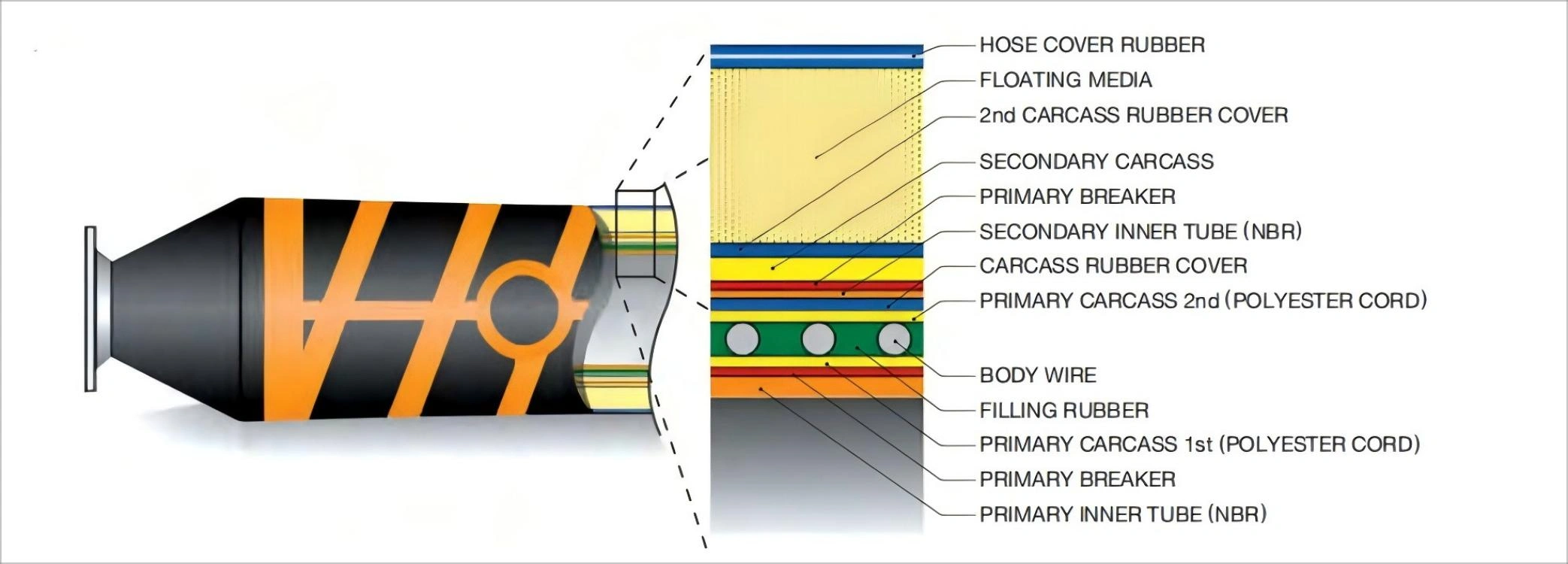
Drijvende slang met dubbele mantel

  1. Het heeft een dikke rubberen huid met schuim erin, dus het drijft zonder problemen.
  2. Er zitten twee lagen in de slang - als er ooit één uitvalt, hangt de andere er nog steeds in.
  3. We hebben er ook een rubberen buis tussen geplakt, voor het geval er iets doorheen sluipt.
  4. Stalen draden lopen helemaal door om het in vorm te houden en te voorkomen dat het slap wordt.
  5. Binnenin is het bekleed met sterk, oliebestendig rubber, gemaakt om ruwe olie, brandstof en wat je er ook tegenaan gooit te verwerken.

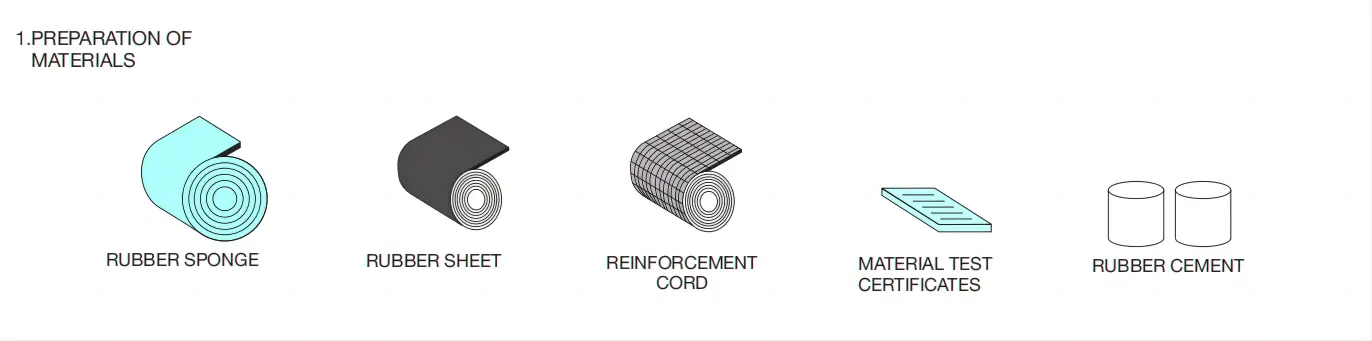
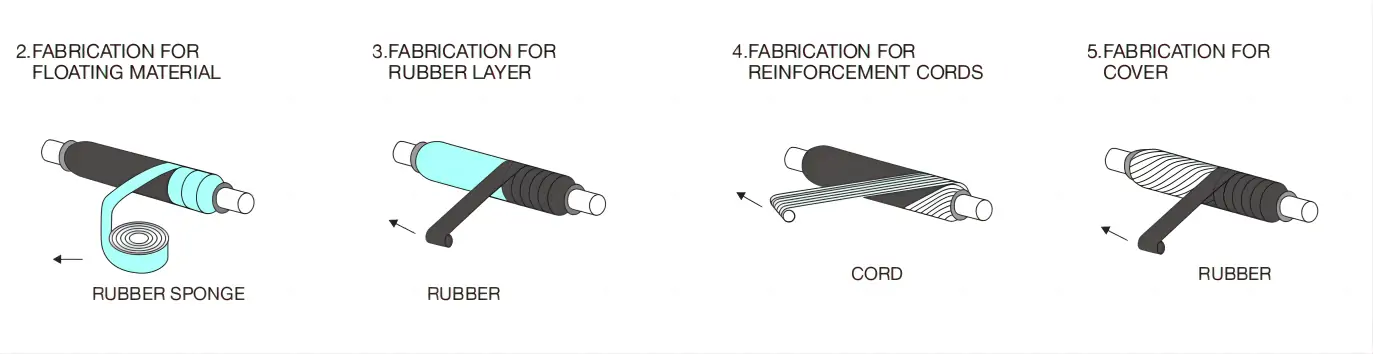
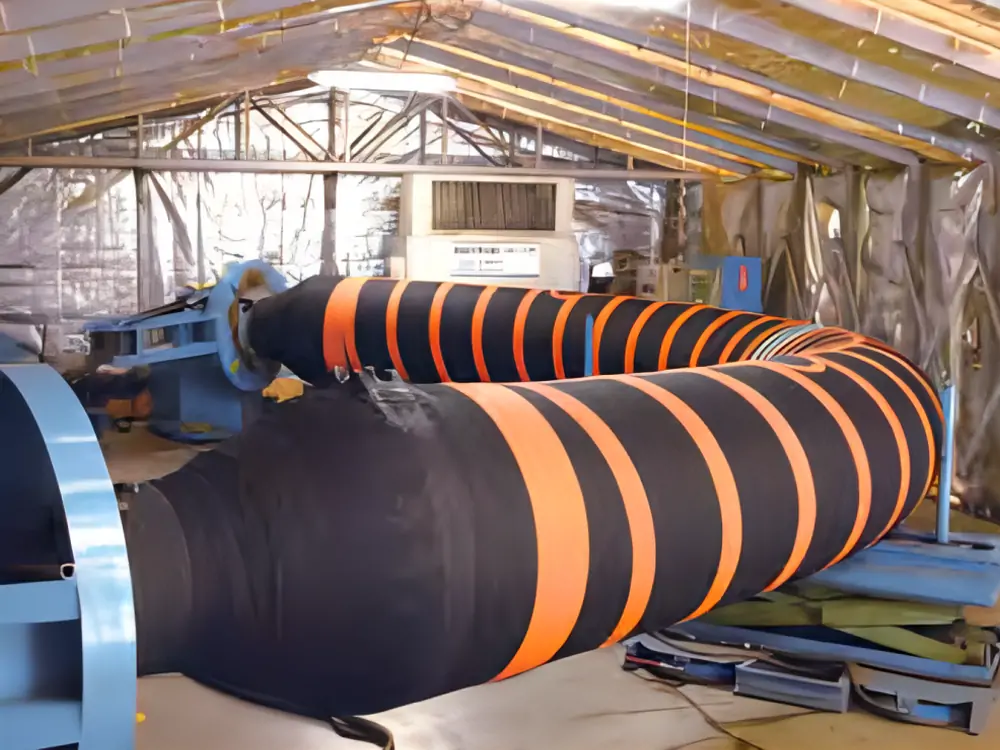
Productieproces drijvende slangen

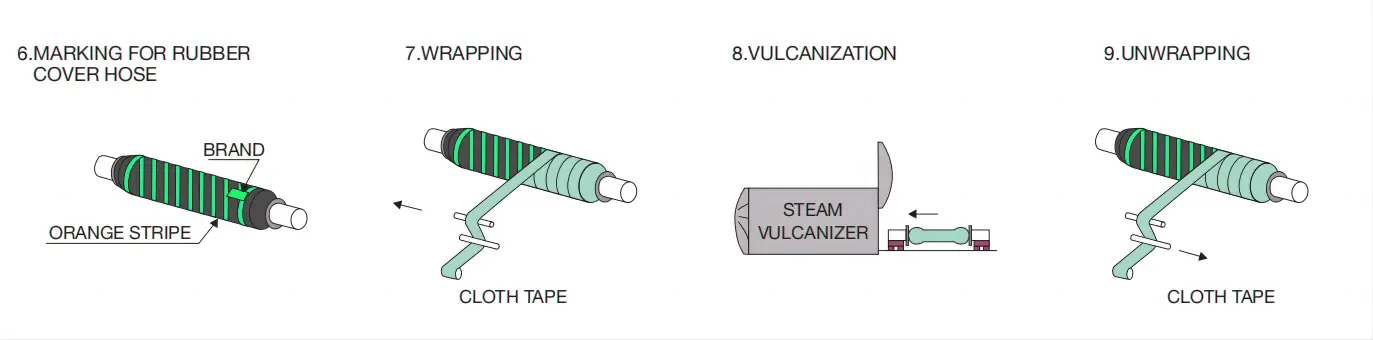
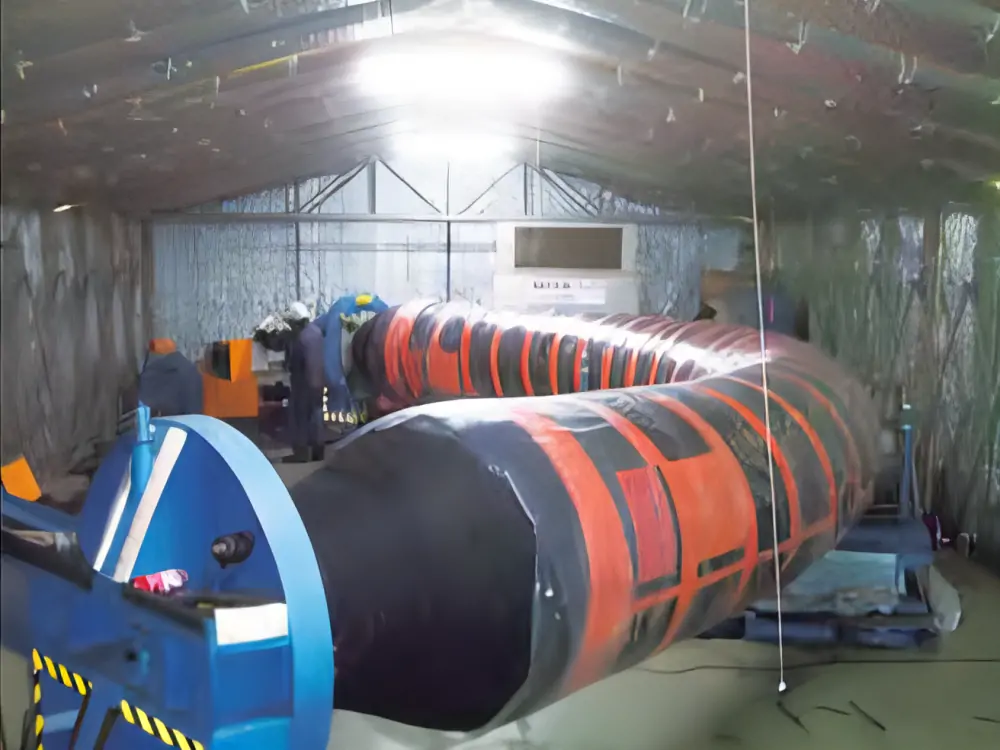
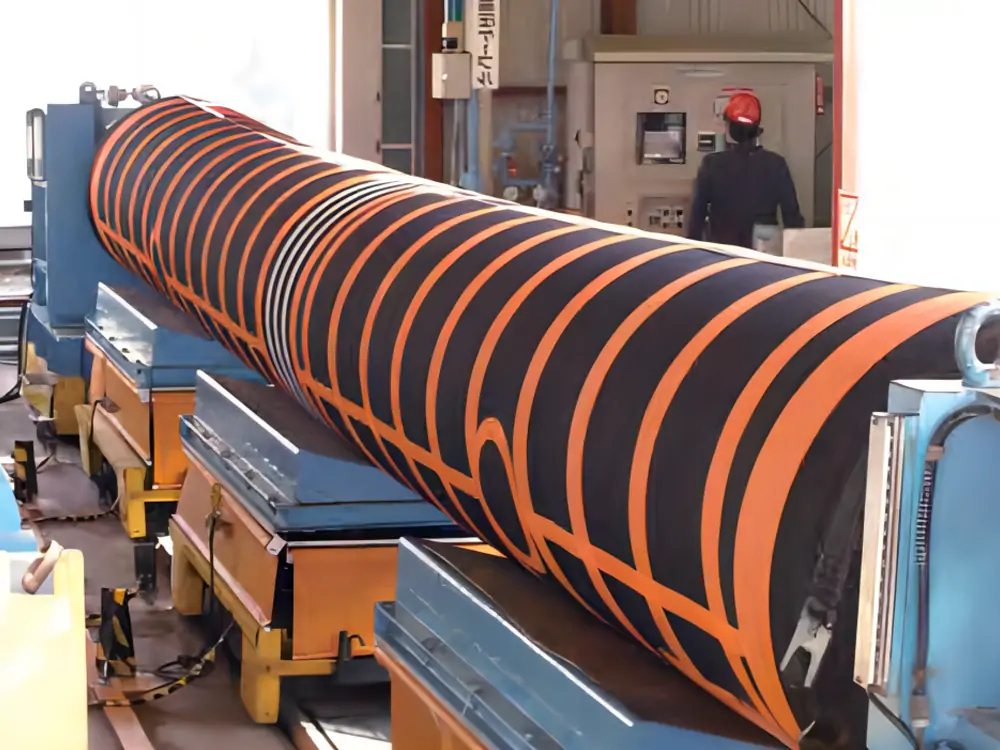
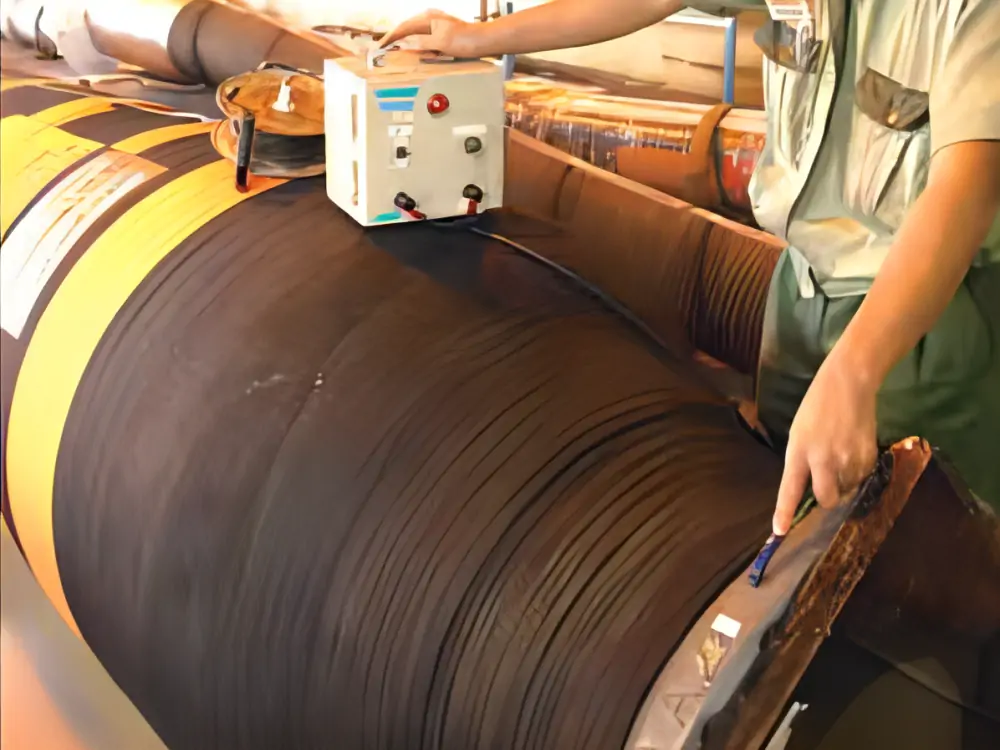
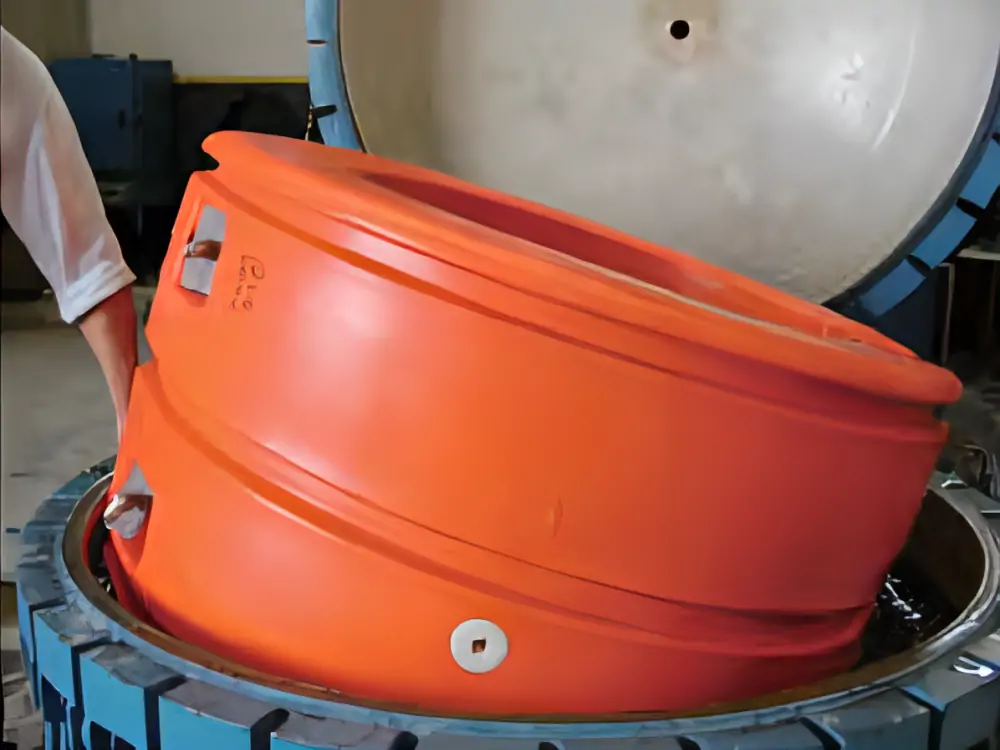
Floating-Hose-production-process
Floating-oil-Hose-producion-process
Floating-Hoses-production-process

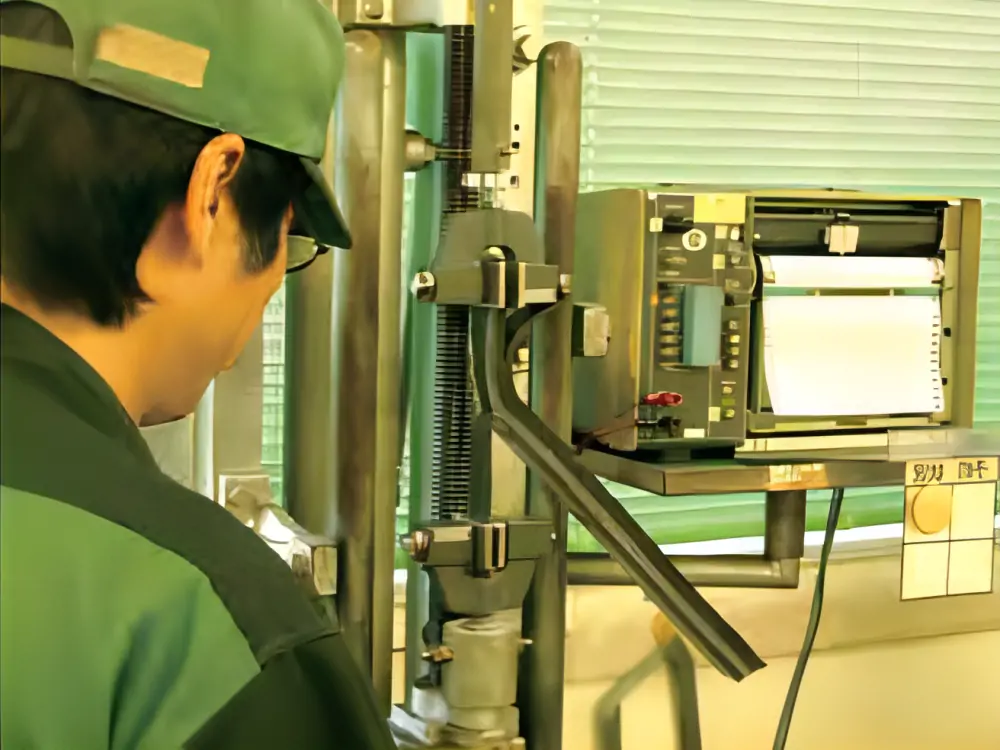
Test en inspectie

Acceptatietests voor de aangeschafte slang moeten worden gebaseerd op de tests die zijn aangegeven in de Guide to Manufacturing and Purchasing Hoses for Offshore Moonings (GMPHOM 2009).

Hechtingstests
Gewichtstest
Minimale buigradius test
Torsietest (indien gespecificeerd)
Buigstijfheidstest
Hydrostatische test

Kerosinetest (indien gespecificeerd)
Trekproef (indien gespecificeerd)
Vacuümtest
Elektrisch onderzoek
Hydrostatische drijftest
Acceptatietest hijsogen

Hechtingstest

Gewichtstest in lucht

Gewichtstest in lucht

Minimale buigradius test

Buigstijfheidstest

Buigstijfheidstest

Hydrostatische test

Hydrostatische test

Kerosinetest (indien gespecificeerd)

Kerosinetest (indien gespecificeerd)

Vacuümtest

Vacuümtest

Elektrische test

Elektrische test

Hydrostatische vlottertest

Hydrostatische vlottertest

Drijvende slang Kenmerk

1. Individueel drijflichaam van schuim met gesloten cellen om waterabsorptie te voorkomen.

2. De CR-buitenlaag heeft het voordeel dat hij bestand is tegen slijtage, UV-stralen, veroudering en corrosieve omgevingen.

3. Koppelingsaccessoires op maat verkrijgbaar.

4. Minimaal reserve drijfvermogen: 20% of volgens de eisen van de klant.

5. Elektrische continuïteit: De elektrische continuïteit is continu of intermitterend volgens de specificaties van de klant.

6. Enkelvoudig karkas en dubbel karkas.

7. Nominale werkdruk: 15 bar, 19 bar, 21 bar optioneel.

8. Veiligheidsfactor: 5:1.

Neem contact met ons op
Floating-Hoses-Characteristic
Floating-Hose-Characteristic

Marine Drijvende Olieslang Technische Specificatie

   
Nominale diameter   
   
Buitendiameter   
   
Gewicht in lucht leeg & gewicht in lucht vol zeewater   
   
Minimale buigradius   
   
inch   
   
mm   
   
D1   
   
D2   
   
9.1m   
   
10.7m   
   
12.2m   
   
m   
   
Lichaam   
   
Einde   
   
30FT   
   
35FT   
   
40FT   
   
6   
   
150   
   
430   
   
485   
   
852   
   
963   
   
1067   
   
0.9   
   
1021   
   
1162   
   
1294   
   
8   
   
200   
   
515   
   
575   
   
114   
   
1259   
   
1396   
   
1.2   
   
1410   
   
1607   
   
1793   
   
10   
   
250   
   
600   
   
675   
   
1476   
   
1667   
   
1847   
   
1.5   
   
1931   
   
2201   
   
2456   
   
12   
   
300   
   
670   
   
745   
   
1822   
   
2059   
   
2281   
   
1.8   
   
2490   
   
2844   
   
3176   
   
16   
   
400   
   
825   
   
850   
   
2542   
   
2877   
   
3191   
   
2.4   
   
3628   
   
4154   
   
4647   
   
20   
   
500   
   
965   
   
1000   
   
3273   
   
3712   
   
4124   
   
3   
   
4996   
   
5738   
   
6434   
   
24   
   
600   
   
1120   
   
1165   
   
3478   
   
4979   
   
5544   
   
3.6   
   
6885   
   
7927   
   
8905   
Neem contact met ons op

FAQs

In practical projects, floating hoses are used when liquid transport needs to be completed on water, but laying fixed pipelines is not suitable. This is common in situations such as ship loading and unloading, ship-to-ship operations, or temporary offshore transport.

These hoses can float directly on the water surface, adjusting to changes in water level and ship position, without requiring complex fixing structures. Jerryborg Marine’s floating hoses are often used in these highly flexible operational scenarios, facilitating deployment and retrieval on-site according to actual conditions.

The biggest difference between floating hoses and ordinary transport hoses is that floating hoses must operate on the water surface for extended periods, rather than being fixed in place. Ordinary hoses focus more on the transport itself, while floating hoses also need to consider buoyancy and water surface stability.

Therefore, the structural design of floating hoses balances transport functionality and buoyancy requirements. When providing floating hoses, Jerryborg Marine considers actual surface operations to ensure the hoses are easier to control and more closely resemble real-world working conditions.

In actual operation, floating hoses not only withstand the pressure generated by the internal medium being transported but are also affected by waves, currents, and the relative motion of the vessel. The hose will experience some swaying and bending on the water surface, which is common in floating transport operations.

Therefore, certain requirements are placed on the hose structure and overall stability. Jerryborg Marine’s floating hoses are designed for common operating conditions to ensure the hose remains relatively stable during surface operations.

In practical applications, floating hoses are primarily used to transport liquid media, such as crude oil and refined oil products, on water. The properties of the transported media, the operation time, and the frequency of use will vary from project to project.

These differences will influence the specific hose selection, rather than simply applying a uniform specification. During the project communication phase, Jerryborg Marine typically considers the media type and usage method to match the most suitable floating hose solution, facilitating subsequent operations.

In actual projects, the arrangement of floating hoses is not entirely fixed. Depending on water conditions, vessel location, and operational methods, the hoses may be arranged in a straight line, in an arc, or in combination with other hoses.

This flexibility is a characteristic of floating hoses. During project coordination, Jerryborg Marine typically considers site conditions to help clients select the most suitable floating hose configuration for ease of operation.

In surface transport operations, besides focusing on the transport process itself, attention must also be paid to the management of the hose in its non-operational state. This includes the method of retrieval after operation, storage conditions, and whether there are unnecessary bends or stresses during transport.

These factors will affect the hose’s performance in subsequent operations. When providing floating hoses, Jerryborg Marine takes a practical approach, considering the hose’s performance throughout its lifespan to make it more suitable for repeated deployment in water transport operations.