


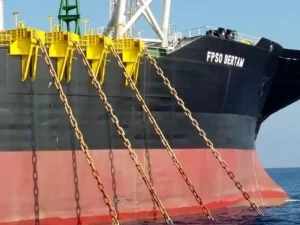
Одноточечная система швартовки позволяет FPSO вращаться вокруг заданной базовой точки, создавая эффект флюгера. Благодаря этому носовая часть FPSO всегда направлена в сторону минимальной чистой внешней нагрузки, что снижает общую силу швартовки, требуемую системой. Поскольку одноточечные швартовые системы адаптируются к широкому диапазону глубин, могут швартовать очень большие FPSO и способны работать в суровых морских условиях, они получили широкое распространение. Одноточечные швартовые системы выполняют в основном две функции: во-первых, позиционирование и швартовка, закрепление FPSO на месте эксплуатации нефтяного месторождения с помощью силы швартовки, обеспечиваемой одной точкой, и служат морским терминалом для транспортировки очищенной сырой нефти; во-вторых, служат важнейшей точкой соединения между подводной добывающей системой и FPSO, обеспечивая передачу жидкости, мощности и оптического управления подводной добывающей системой. Он также может передавать устьевые жидкости с месторождения на FPSO для переработки.
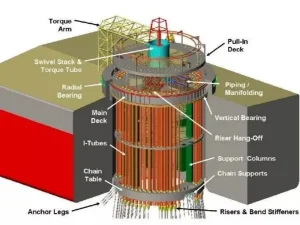
Одноточечная швартовная система SOFEC
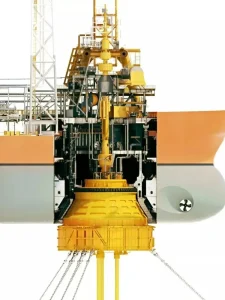
SBM (Разделяемая одноточечная швартовная система)
Некоторые одноточечные швартовные системы также оснащены функцией аварийного отсоединения, которая позволяет отсоединиться от швартовной системы и эвакуироваться в безопасный район в условиях крайне бурного моря. Однако к операции повторного подключения такой системы предъявляются строгие требования по условиям моря, и она не подходит для использования в морских районах, где условия моря неспокойны большую часть времени.
Среди всемирно известных компаний, занимающихся проектированием и обслуживанием одноточечных швартовов (ОШП), - SBM, Bluewater, SOFEC, APL, Prosafe и BW Offshore. Наша отечественная компания CNOOC Engineering также завершила строительство системы СПМ поплавкового типа.
Одноточечная швартовная система буйкового типа
Буи ставятся на якорь в водах вдали от побережья, служат точками швартовки танкеров, загружающих и выгружающих газы или жидкости, а также соединительными точками между подводными системами манифольдов. Основная функция буев - транспортировка нефти и газа с берега или из-под воды на пришвартованные танкеры.
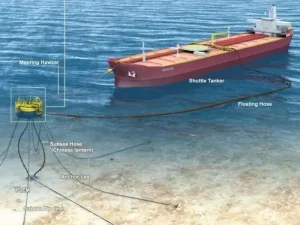
Буйковая швартовная система
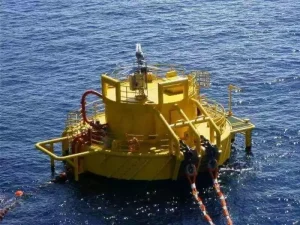
Внешний вид буя
Буи обычно состоят из нескольких водонепроницаемых отсеков. Даже если один из них поврежден в результате внешнего воздействия, остальные отсеки могут обеспечить достаточную плавучесть.
Как правило, буи бывают двух типов: поворотные и турельные.
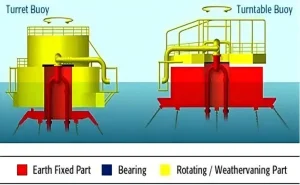
Левая сторона: Турельный тип; Правая сторона: Тип поворотного стола
Поворотные буи позволяют верхней части свободно вращаться, размещая FPSO в положении минимальной нагрузки. У них нет верхних отсеков.
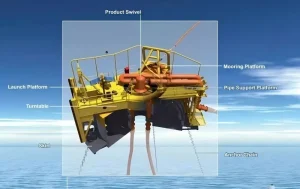
SBM
Турельные буи, разработанные и спроектированные компанией Bluewater, состоят из турели и палубных буев. Буи вращаются вокруг башни, что позволяет придать им квадратную форму.
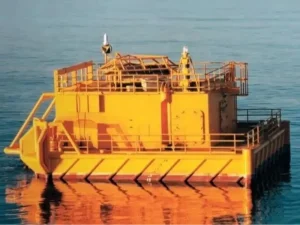
Одноточечная швартовная система буйкового типа Bluewater
К распространенным системам швартовки буев относятся: цепные системы швартовки буев (CALM) и одноногие системы швартовки (SALM). Цепные буйковые системы швартовки обычно используются на челночных танкерах и судах FSO и являются наиболее экономичным и эффективным методом швартовки и погрузки/разгрузки танкеров. Одноногие швартовные системы аналогичны цепным буйковым системам, но обычно используются на челночных танкерах или FSO, а не на FPSO.
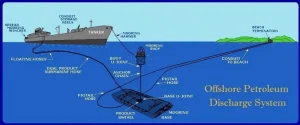
Схема швартовной системы с одной якорной ногой
Одноточечная швартовная система турельного типа
Одноточечная швартовная система турельного типа возникла на основе системы CALM, но поскольку FPSO имеют гораздо больший вес и плавучесть, чем буи, они обладают лучшими характеристиками с точки зрения движения и распределения нагрузки. В настоящее время более 70% FPSO по всему миру используют одноточечные швартовные системы турельного типа, которые распространены в северной части Северного моря, Норвежском море, Мексиканском заливе и Южно-Китайском море. Одноточечная швартовная система турельного типа объединяет в себе швартовные, газовые, гидравлические и электрические передачи, что делает ее сложной по конструкции и требует высокой устойчивости. В настоящее время системы турельного типа в основном делятся на два типа: внутренние турельные швартовные системы и внешние турельные швартовные системы.
Внутренняя турельная швартовная система
Внутренняя турельная швартовная система - наиболее распространенная система швартовки для FPSO, обычно используемая в средних и глубоководных районах. Внутренние турельные швартовные системы обычно располагаются в носовой части судна, и их характеристики включают: диаметр турели может быть очень большим, оставляя достаточно места для оборудования и коллекторов; внутренняя турель встраивается в корпус, обеспечивая хорошую защиту, но ее расположение влияет на “эффект ветрового флюгера” FPSO.”
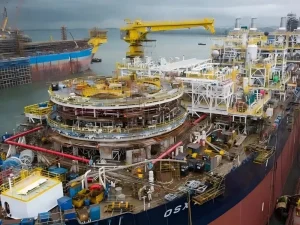
Строящаяся внутренняя турельная швартовная система
Внутренние турельные швартовные системы бывают двух типов: пассивные и активные.
Пассивные внутренние турельные швартовные системы относятся к FPSO без пропульсивной силы; турельная система позволяет FPSO вращаться на 360 градусов вокруг своего центра. В настоящее время большинство внутренних турелей в мире относятся к пассивному типу.
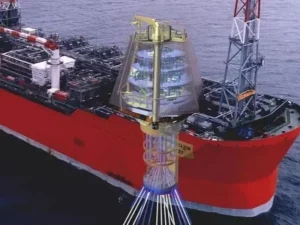
Пассивные внутренние турельные швартовые системы
Активные внутренние турельные швартовные системы обычно располагаются в носовой трети корпуса судна. Благодаря близости к миделю они эффективно снижают швартовные усилия и усталостные повреждения стояка. Однако этот метод швартовки имеет слабый “эффект ветрового флюгера”, требующий помощи гребного винта для регулировки носовой части, и используется в основном в Северном море.
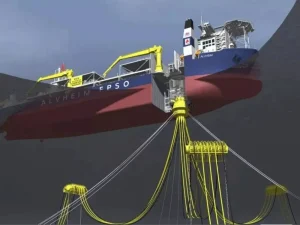
Активные внутренние турельные швартовные системы
Поскольку активная швартовная система расположена близко к миделю, жилые помещения можно разместить в носовой части судна, расположив зону концентрации персонала на ветру от нефте- и газопроводов и стрелы сгорания, что значительно повышает безопасность FPSO.
Однако из-за больших размеров судов FPSO, потребности во вспомогательной энергии значительны, а требования к надежности пропульсивной системы высоки. Риски отказа пропульсивной системы должны быть учтены на этапе проектирования.
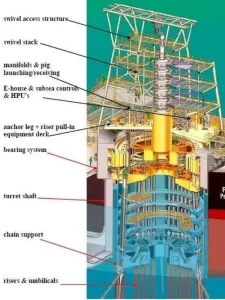
Компоненты внутренней турельной системы SOFEC
Основные компоненты турели:
Внутренняя турельная швартовная система состоит в основном из четырех частей:
Турель и втулка: Соединенные подшипниками, FPSO могут свободно вращаться.
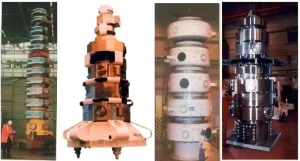
Турели различных производителей
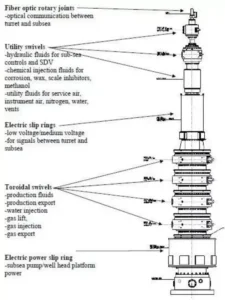
Конструкция турели
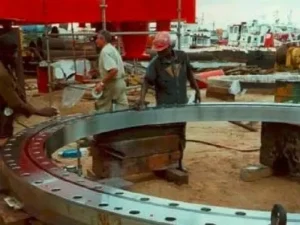
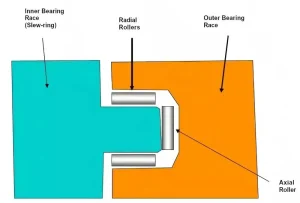
Подшипник, соединяющий башню и втулку
Расположение якорей: Анкеры могут быть расположены в соответствии с реальными условиями.

Схема крепления
Проигрыватель: Поворотная платформа - это структурная платформа, расположенная в верхней части башни, на которой размещается различное оборудование, такое как лебедки для натяжения якорных цепей, лебедки для стояков и электрические средства управления.
Система передачи жидкости: Система перекачки жидкости является центром всей турельной швартовной системы. Через нее подводные трубопроводы и стояки должны транспортировать сырую нефть на FPSO. Внутренняя башня погружного аппарата (STL) пришвартована к морскому дну с помощью конических буев. Во время установки ее необходимо поднять в коническое пространство, отведенное в корпусе, и гидравлически зафиксировать.
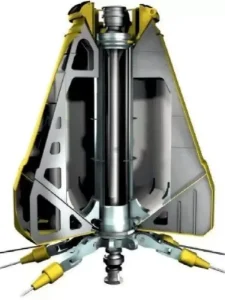
Погружная внутренняя турель
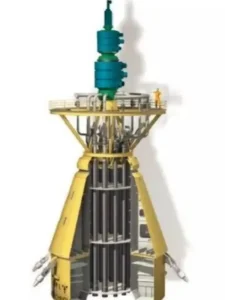
Производство подводных турелей (STP)
Внешняя турельная швартовная система
Внешняя турельная одноточечная швартовная система (ETS) работает по тому же принципу, что и внутренняя турельная одноточечная швартовная система, с той лишь разницей, что швартовное устройство устанавливается снаружи носовой части судна.
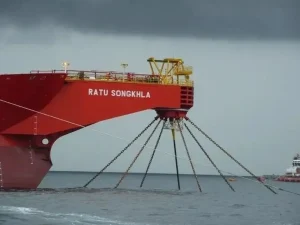
Внешняя турельная швартовная система
Внешние турельные швартовные системы уменьшают необходимые ограничения на корпус судна и могут быть установлены в доке, в то время как внутренние турельные швартовные системы должны быть установлены в сухом доке. Кроме того, количество стояков, необходимых для внешних турелей, значительно меньше, чем для внутренних.
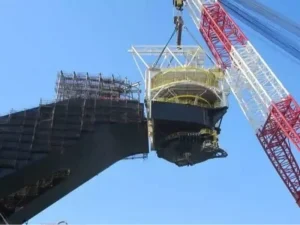
Установка внешней турельной швартовной системы на FPSO
Как правило, переоборудованные FPSO подходят для использования внешних турельных швартовных систем.
Одноточечные швартовные системы башенного типа
Причальные системы башенного типа крепятся к морскому дну с помощью жестких башенных конструкций и служат постоянными точками опоры для нефтяных танкеров, загружающих и выгружающих нефть и другие продукты. Их основные характеристики: танкер присоединяется к башне с помощью постоянной вилообразной конструкции или швартовных тросов; возможна установка нескольких стояков; конструкция проста и экономична. Они подходят для использования на мелководье и средней глубине. К распространенным одноточечным швартовным системам башенного типа относятся система "ярмо", погружные башенные швартовные системы и швартовные тросовые системы.
Система коромысла
Якорная система - самый распространенный тип швартовной системы для башен.
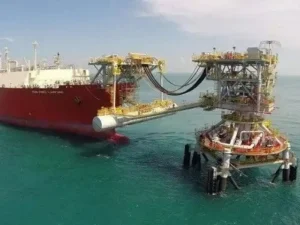
Система коромысла
Системы подводных башенных причалов аналогичны обычным башенным причалам, за исключением того, что башня полностью погружена под воду, не подвергаясь воздействию волн и приливов.
Башенные швартовные системы с швартовочными тросами похожи на обычные башенные швартовные системы, за исключением того, что швартовочные тросы заменяют вилообразную конструкцию, что снижает сложность и повышает экономичность.