Подушки безопасности для тяжелых грузов Описание

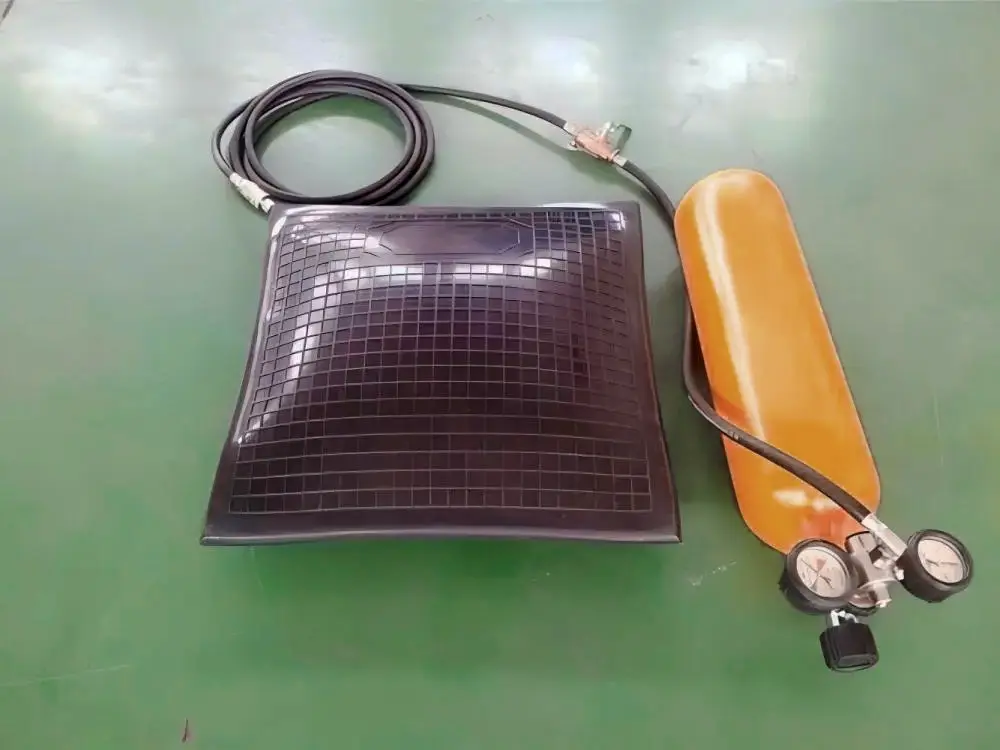
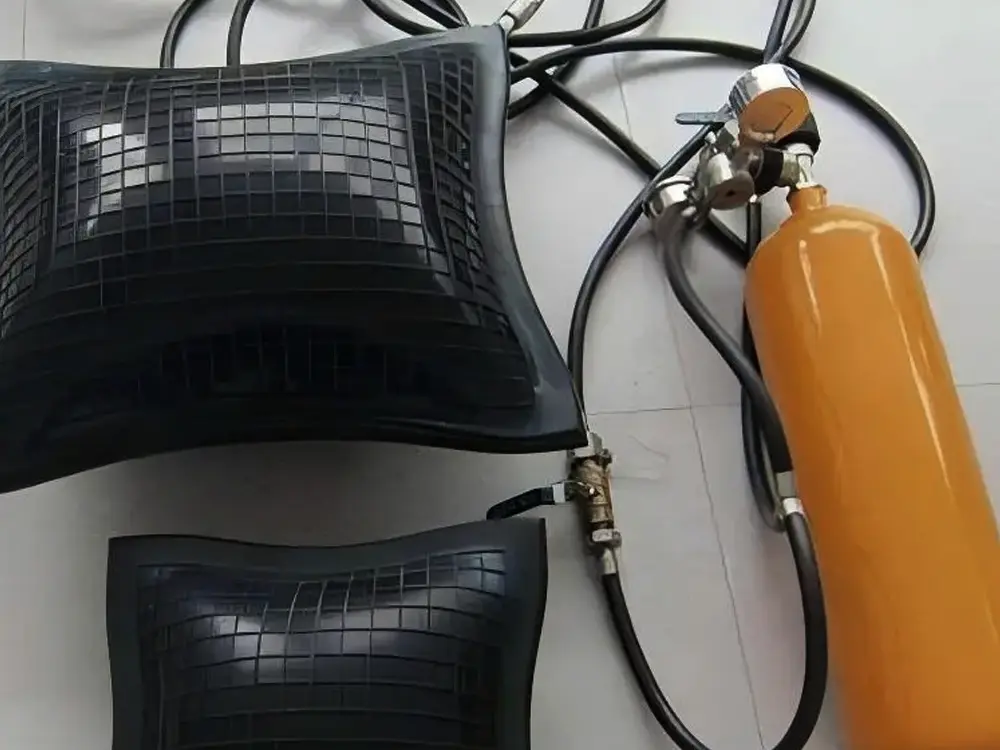
A heavy lifting airbag is a rubber airbag used to lift heavy objects, typically square in shape. In field use, the airbag is placed under the equipment or structure, then slowly inflated to gradually lift the weight. Adjustments can be made as needed; it doesn’t lift the weight all at once.

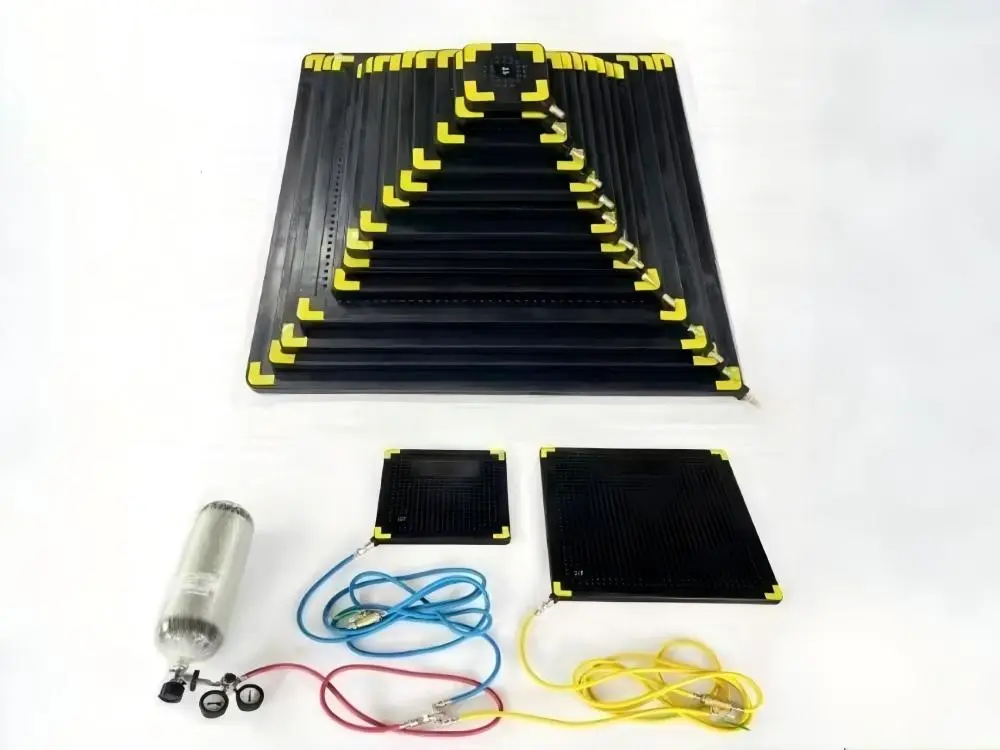
Jerryborg Marine also manufactures these airbags. Sizes can be customized for each project. Several airbags are commonly used together to distribute the weight. If customers are unsure about the selection, they can send us their usage scenario, and we’ll work together to determine the appropriate size and number of airbags.
Свяжитесь с нами
Подушки безопасности для тяжелых грузов Описание

Heavy Lifting Airbag Layered Structure

Jerryborg Marine’s heavy lifting airbag isn’t made of a single-layer of rubber; it has a layered structure. The outer layer uses abrasion-resistant rubber with slightly higher hardness, mainly to adapt to the on-site working environment. Some are used directly on the ground, while others need to be placed under the steel structure. If the outer material is too soft, the surface will show obvious wear after just a few uses.

The middle layer consists of multiple layers of reinforcing fabric, typically high-strength synthetic fiber fabric, layered one on top of the other. This part mainly bears the internal pressure. After the airbag is inflated, this layer is what truly “holds its shape.” If this part is not well-made, it’s easy for it to bulge in certain areas during use, making it difficult to control.

The innermost layer is an airtight rubber layer. This layer uses a rubber formula with even better airtightness to prevent air leakage. On-site, many applications involve repeated inflation and deflation; if this layer isn’t well-made, the pressure will drop rapidly after just a few uses.

Свяжитесь с нами

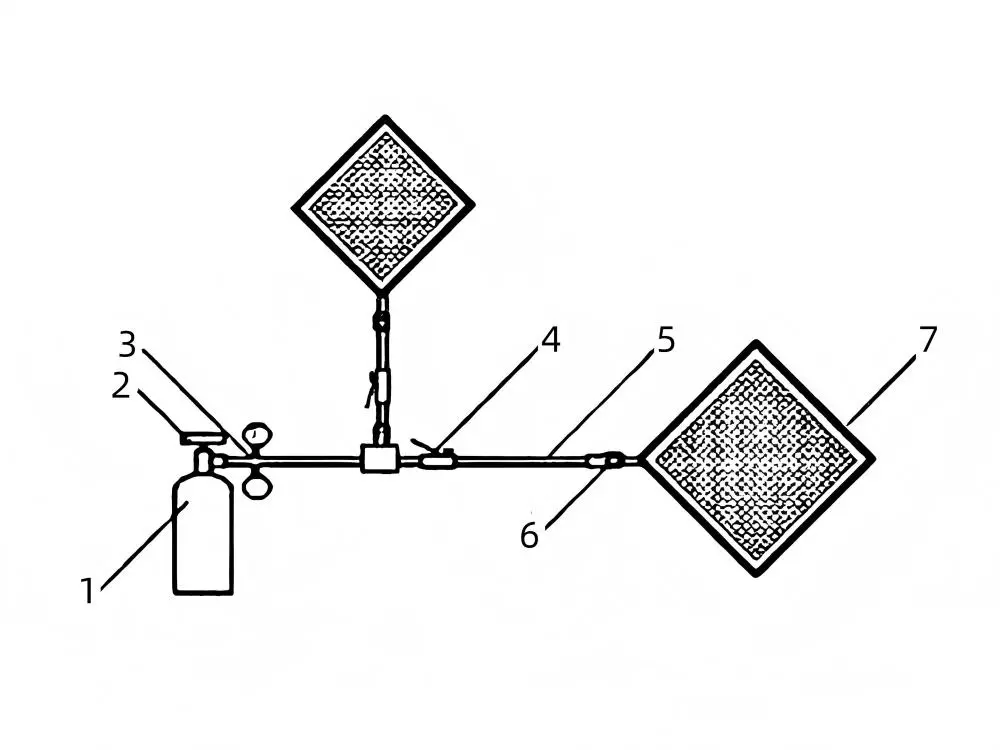
Composition of Heavy Lifting Airbag

1. High-Pressure Gas Cylinder
2. Cylinder Valve
3. Pressure Regulator
4. Control Valve
5. High-Pressure Hose
6. Quick Coupling
7. Heavy Lifting Airbag

Свяжитесь с нами

1. High-Pressure Gas Cylinder: This is the gas source. On-site, the gas cylinder is usually placed aside and used directly to supply gas to the entire system.

2. Cylinder Valve: This is the switch on the gas cylinder. This is the most basic control point. When to release or stop gas is determined by operating this position first.

3. Pressure Regulator: Because the pressure inside the gas cylinder is relatively high and cannot be used directly, it is used to lower the pressure first. After adjustment, subsequent steps are easier to control.

4. Control Valve: This is used more frequently in actual operation. The inflation speed is generally adjusted by this position. On-site, this valve is operated as needed, based on the situation.

5. High-Pressure Hose: This is the middle section of tubing that connects the gas cylinder to the air bladder. The length of the tubing is usually determined by the on-site equipment layout.

6. Quick Coupling: This is the connector used to connect the tubing to the equipment. Using this quick-connect coupling on-site saves a lot of time, avoiding constant tightening.

7. Heavy Lifting Airbag: Finally, there’s the airbag itself. After air enters, it slowly inflates, lifting the weight on top. This is the part that actually performs the function.

Specifications of Heavy Lifting Airbag

Тип

1T

3T

5T

8T

10T

15T

20T

24T

28T

32T

40T

45T

54T

68T

Thickness

мм

25

25

25

25

25

25

25

25

25

25

25

25

25

25

Вес

kg

0.7

1

1.7

2.8

3.8

4.6

6.3

7.7

9

10.9

14.8

18.3

21.2

24.9

Dimensions

Длина

мм

150

175

245

315

370

415

490

535

570

635

750

815

875

960

Width

мм

150

175

245

315

370

415

490

535

570

635

750

815

875

960

Insertion Height

мм

26

26

26

26

26

26

26

26

26

26

26

26

26

26

Maximum Lifting Height

мм

80

90

130

190

220

240

270

300

330

360

410

490

520

600

Maximum Inflation Pressure

Мпа

1.2

1.2

1.2

1.2

1.2

1.2

1.2

1.2

1.2

1.2

1.2

1.2

1.2

1.2

Note: Due to the influence of ambient temperature and other factors during the production process, the following may occur with lifting air cushions:

  1. There may be a dimensional error of ±5mm;
  2. There may be a weight error of ±0.3kg (the error will be even smaller for those under 10T).

Applications of Heavy Lifting Airbag

The most common application of heavy lifting airbags is in equipment installation. For example, when placing large equipment where there isn’t enough space underneath, traditional methods are difficult to use, and airbags are much more convenient.

They are also used for structural adjustments. Sometimes equipment is almost in place but needs slight adjustments; using airbags to lift it up provides better control than direct hoisting.

At docks or construction sites, they are also used for short-distance relocation. In some projects, instead of directly hoisting, they are first lifted up and then adjusted using rolling or sliding.

They are also used in maintenance scenarios, such as when equipment needs to be slightly lifted for bottom adjustments. Basically, wherever there’s a need for “lifting,” this method is considered.

Свяжитесь с нами
square-Heavy-Lifting-Airbag
Jerryborg-marine-Heavy-Lifting-Airbag

Вопросы и ответы

A heavy lifting airbag is a rubber airbag used to lift heavy objects. It’s typically square-shaped and inflated to slowly lift equipment or structures. It can be stopped mid-lift for adjustments; it’s not a tool that can lift everything in one go.

Jerryborg Marine manufactures many of these airbags, often using several together. If customers are unsure which to choose, they’ll send us their general requirements, and we’ll check the dimensions and quantity together.

This type of airbag is not made from a single piece of rubber; it’s primarily a layered structure. The outer layer is wear-resistant rubber, the middle layer consists of multiple layers of fabric, and the innermost layer is an airtight rubber layer. The actual pressure-bearing capacity mainly comes from the middle section.

Jerryborg Marine doesn’t use a fixed structure when making these airbags. We adjust the number of fabric layers based on the customer’s usage weight for greater stability.

Each heavy lifting airbag has a general load-bearing capacity, but in practice, several are usually used together to distribute the weight and improve control.

When supplying customers with heavy lifting airbags, Jerryborg Marine doesn’t just look at individual airbag specifications. We calculate based on the overall usage to avoid uneven stress on-site.

These airbags are reusable. As long as they are not damaged or visibly worn, they can be deflated and stored after use for future use.

Some of Jerryborg Marine’s customers reuse airbags across projects, so we tend to be relatively conservative about durability.

Don’t inflate it too quickly. Inflate it slowly, allowing the airbag to gradually bear the pressure. This makes it easier to control the height and prevents it from tilting to one side.

Before shipping, if it’s the customer’s first time using it, Jerryborg Marine will briefly explain how to use it to avoid on-site operational difficulties.

They can be used in almost any scenario where heavy objects need to be lifted slightly, such as during equipment installation, repositioning, or maintenance, to provide additional space underneath.

In the projects Jerryborg Marine has worked on, this usage is quite common. Some clients initially use it in only one process but gradually expand its use to other areas.