Heavy lifting airbags Description

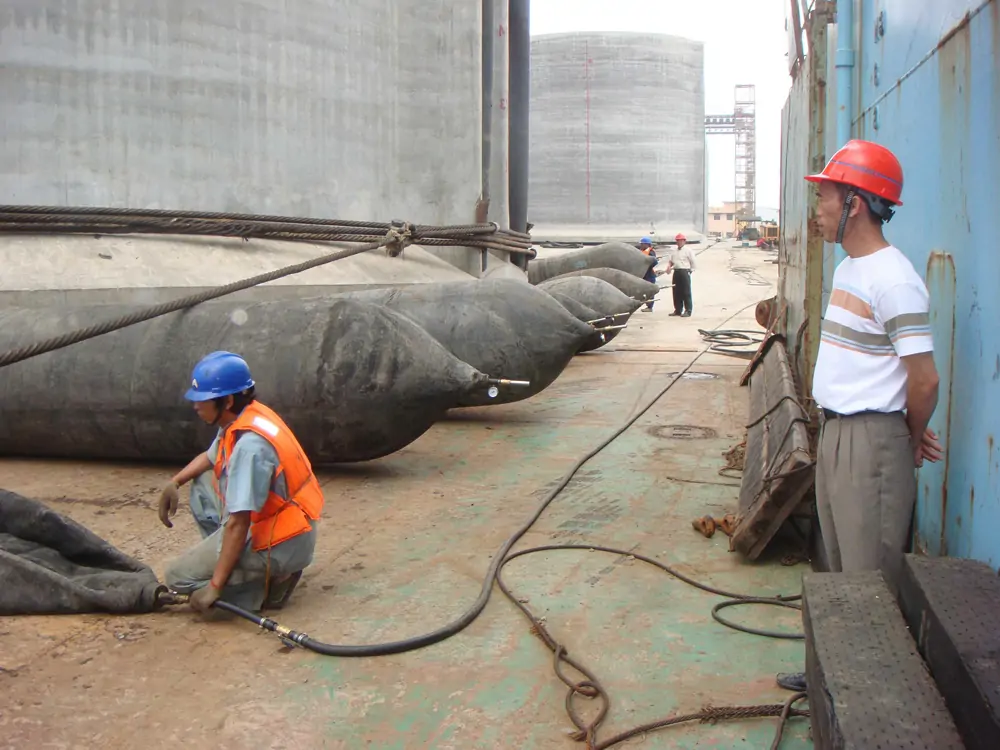
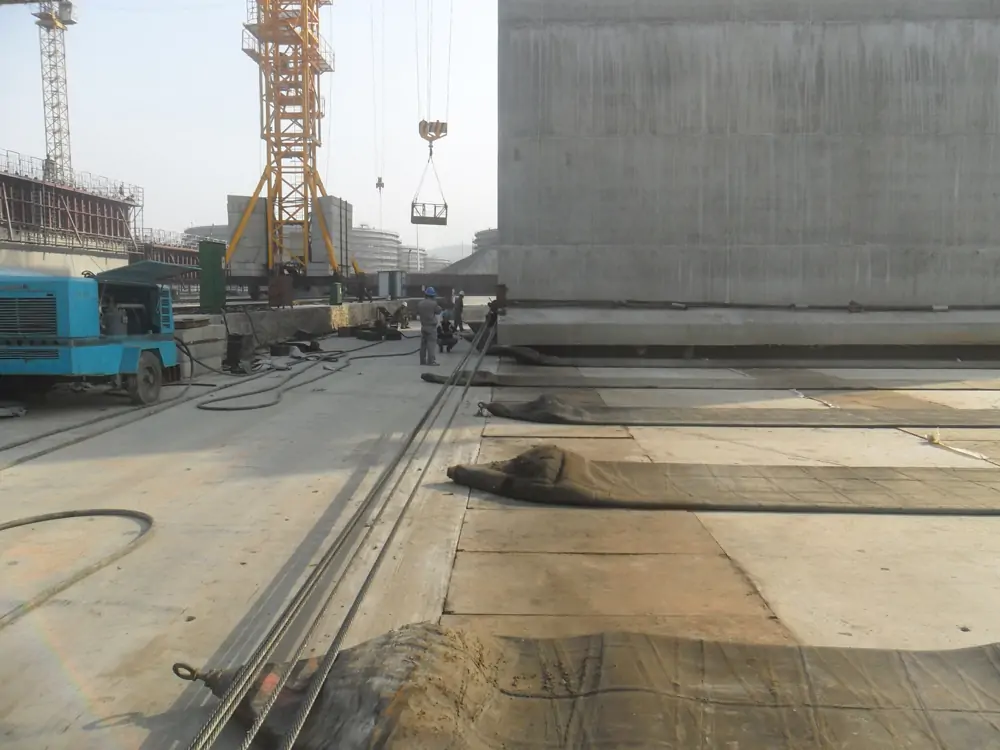
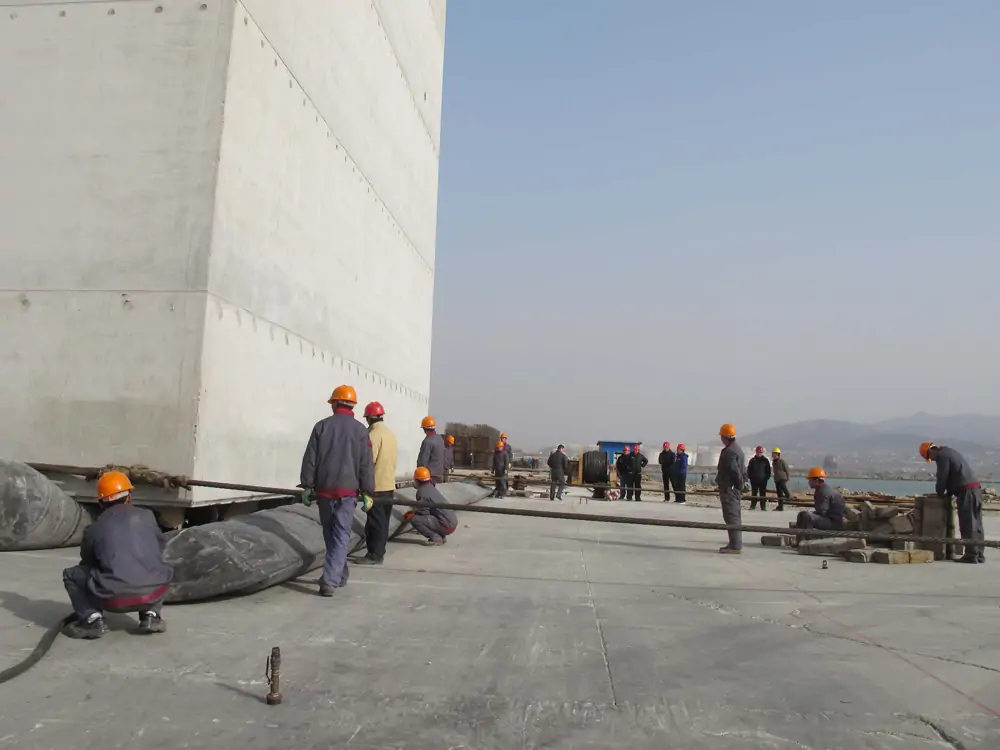
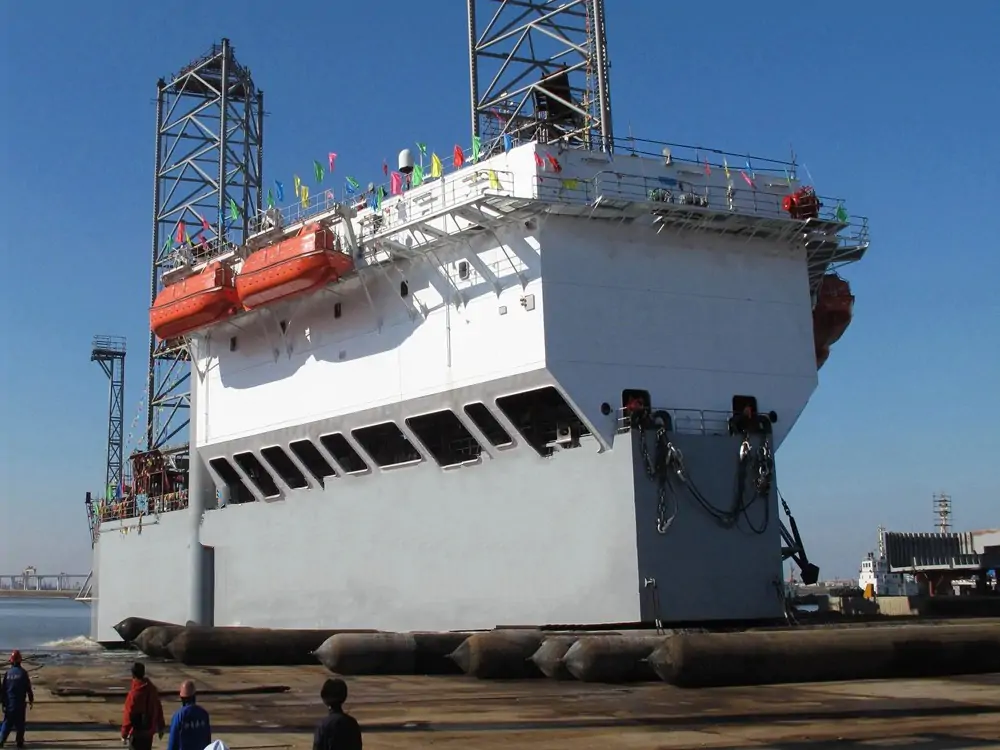
Heavy lifting airbags are strong, inflatable rubber bags used to lift or move heavy objects. They are made from durable rubber layers and reinforced with fabric. These airbags are lightweight, flexible, and easy to carry. They are often used for lifting large ships, heavy machinery, or structures. Airbags work by inflating with air, creating a cushion that lifts the object safely and evenly. They are cost-effective and reusable, making them popular for heavy lifting tasks.
Bize Ulaşın
Heavy lifting airbags Description

Marine Heavy Lifting Airbags – General Technical Specifications (Typical Range)

Parametre Açıklama Typical Range
Diameter (D) Outer diameter of the airbag 0.4 m – 3.0 m (customizable)
Effective Length (L) Effective working length of the airbag 3 m – 28 m (customizable)
Çalışma Basıncı Rated internal operating pressure 0.05 MPa – 0.25 MPa (high-pressure types up to 0.4 MPa+)
Bearing Capacity Load capacity per meter length Approx. 8 – 18 tons/m (depending on diameter & ply rating)
Maximum Lifting Capacity Maximum lifting capacity per single airbag Approx. 70 – 1000+ tons (at 70% compression)
Reinforcement Layers (Ply Rating) Number of synthetic tire cord reinforcement layers 4 – 12 plies
Working Height Inflated effective height during operation Approx. 0.5 m – 2.0 m
Malzeme Construction material High-strength synthetic rubber with tire cord reinforcement
Standard / Certification Applicable standards and approvals ISO 14409:2011, ABS, BV, RINA (optional)
Uygulamalar Typical uses Ship launching, marine salvage, heavy lifting, caisson lifting, offshore engineering

Jerryborg Heavy Lifting Airbag Features

  • High Lifting Capacity: Each airbag can lift 300-500 tons safely by using low pressure. This reduces risks during lifting.
  • Strong Construction: The airbags are made with heavy-duty synthetic tire cords. These cords can handle high working pressure without damage.
  • Resistant to Damage: They have 6-12 reinforced layers. This makes them resistant to abrasion and punctures.
  • Rollable and Flexible: The airbags can roll under heavy loads. This feature makes them useful for moving and lifting tasks.
  • Handles High Pressure: The material is stronger than that used in ship-launching airbags. These airbags can handle over 400 kPa pressure.
  • Affordable and Safe: They don’t need slipways or trolleys for lifting. They also have low reaction forces, which are safer for structures.
Bize Ulaşın
Jerryborg-Heavy-Lifting-Airbag-Features
Jerryborg-Heavy-Lifting-Airbags'-Features

Advantages of Jerryborg Marine Heavy Lifting Airbags

1. These marine lifting bags have outstanding capacity. Their cylindrical shape and low-pressure design use volume to lift, with each bag lifting 300-500 tons.
2. They have a large inflation height. The maximum height can reach up to 2 meters.
3. They can roll under load. Unlike square or rectangular bags, these can roll, making them great for moving heavy loads.
4. They are heavy-duty. With 6-10 layers of reinforcement, they can resist abrasion and punctures.
5. They are flexible. These bags can be folded, stacked, and hoisted with ease.
6. They last a long time. With proper care, these bags can last over 6 years without issues.

Bize Ulaşın

SSS

A heavy lifting airbag is an airbag device that uses inflation to generate buoyancy or support force to lift and move heavy objects. It is commonly used for handling large structures, auxiliary lifting on ships, and engineering installations. By adjusting the internal pressure, the lifting height and stress state can be controlled.

Jerryborg Marine offers heavy lifting airbags of different diameters and load capacities. During the design phase, we consider the customer’s weight requirements and usage methods to ensure the airbag remains stable under load.

Heavy lifting airbags are commonly used for projects such as installing large equipment, handling caissons, ship auxiliary lifting, and heavy-object transportation. For scenarios where traditional lifting equipment is difficult to operate or prohibitively expensive, airbags offer a more flexible solution.

In actual projects, Jerryborg Marine will first understand the client’s weight, contact area, and operating environment before recommending appropriate airbag specifications and quantities to avoid selecting undersized or over-configured models.

The load-bearing capacity of an airbag is typically related to its diameter, internal pressure, and contact area. The actual load-bearing capacity will vary under different operating conditions, so theoretical parameters alone are insufficient.

Jerryborg Marine provides a reference load-bearing range based on actual usage conditions when supplying airbags and reminds customers to control the inflation pressure during operation to ensure safe use.

During use, it is necessary to ensure even pressure distribution on the airbag and avoid contact with sharp objects on its surface. The inflation speed should also be controlled to avoid excessively high pressure.

Jerryborg Marine provides basic operating suggestions based on the customer’s usage scenario upon product delivery to help reduce the risk of airbag damage and improve overall usage efficiency.

Heavy lifting airbags are primarily used for lifting or supporting heavy objects, and the force is usually concentrated. Marine launching airbags, on the other hand, are more often used for hull rolling support. Their working conditions differ, as do their structural designs and usage methods.

Jerryborg Marine manufactures both types of airbags. If a customer’s application scenario is unique, we will assist in determining which product type is more suitable.

After use, the airbag usually needs to be cleaned of surface impurities and stored in a dry condition. Avoid prolonged exposure to sunlight or compression to reduce the rate of material aging.

Jerryborg Marine also reminds customers of the storage environment when delivering the product. If the airbag is used frequently, we also recommend periodically checking its appearance to ensure stable performance for the next use.