ハイドロニューマチック・フェンダーとは?

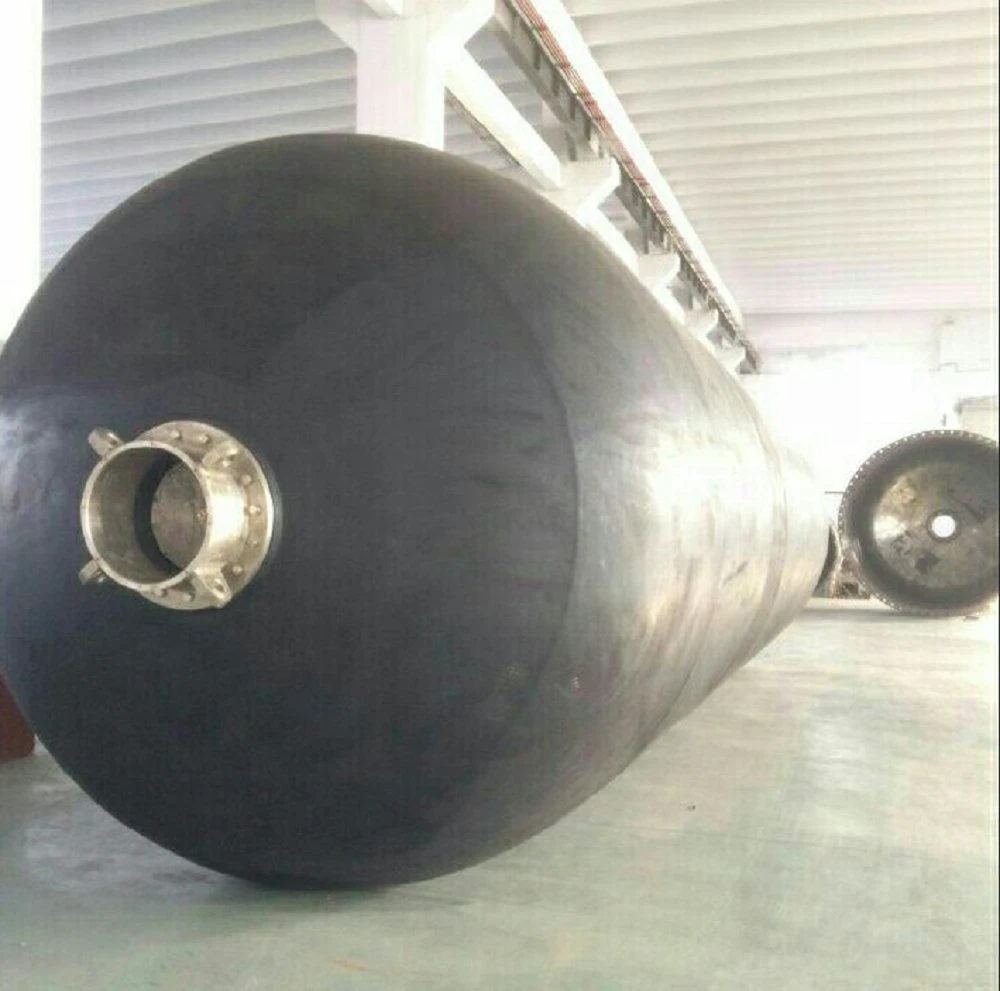
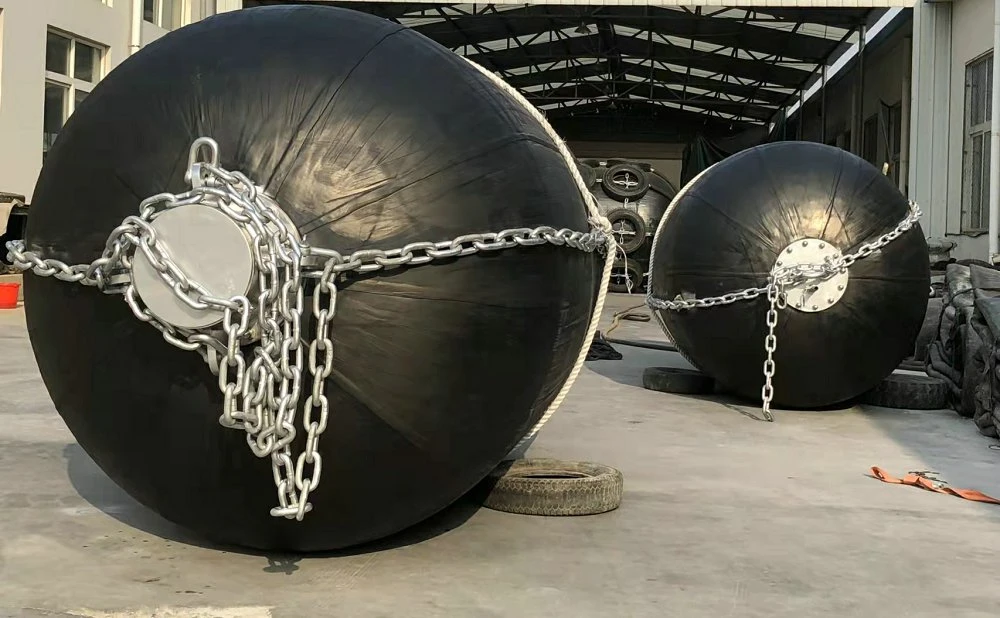
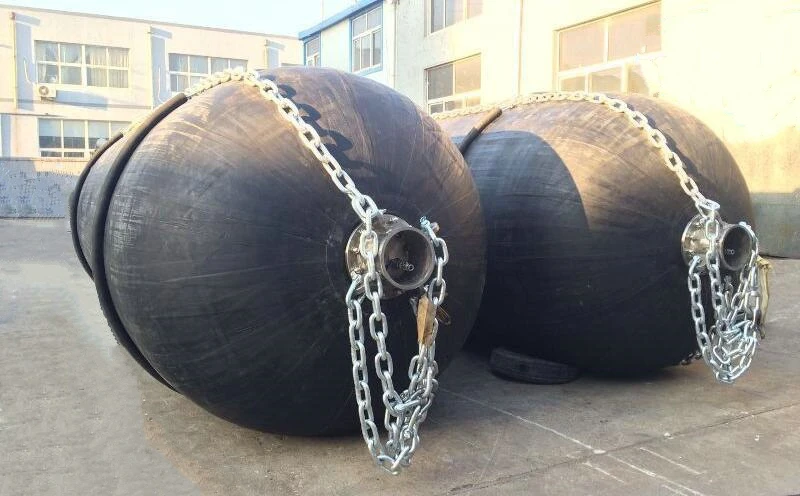
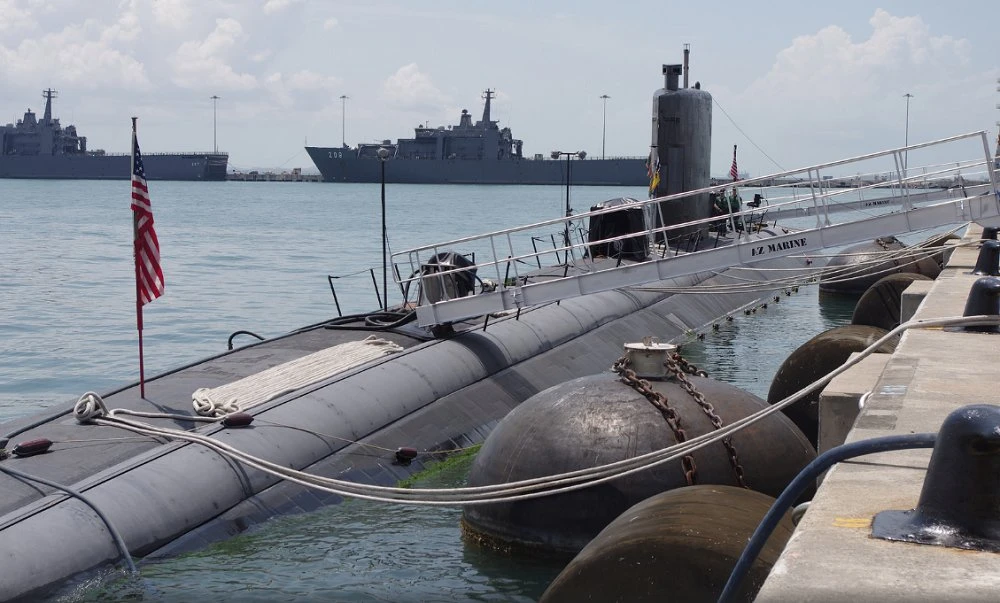
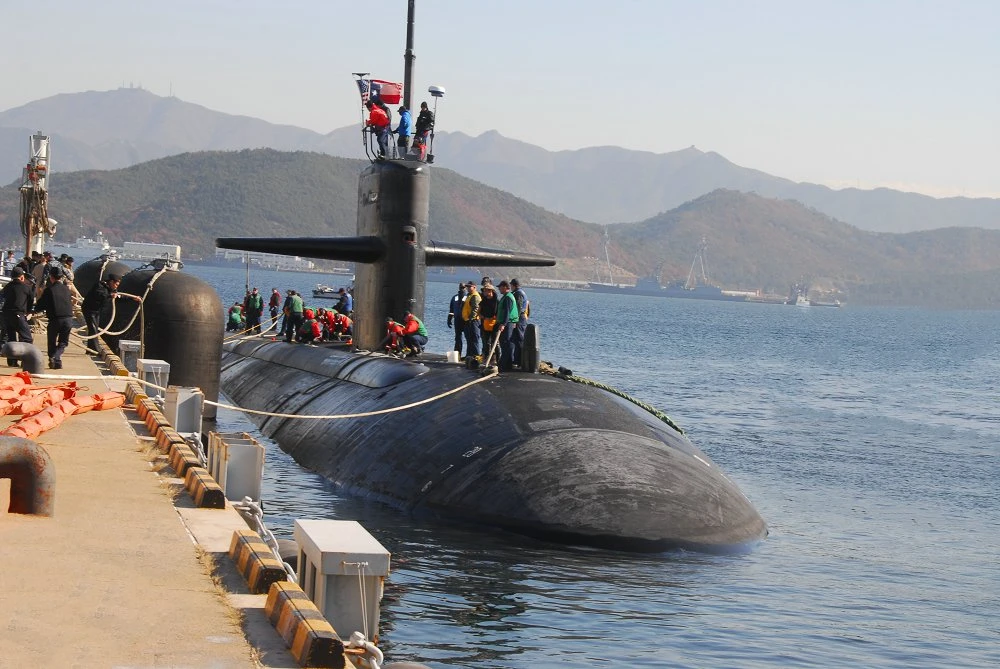
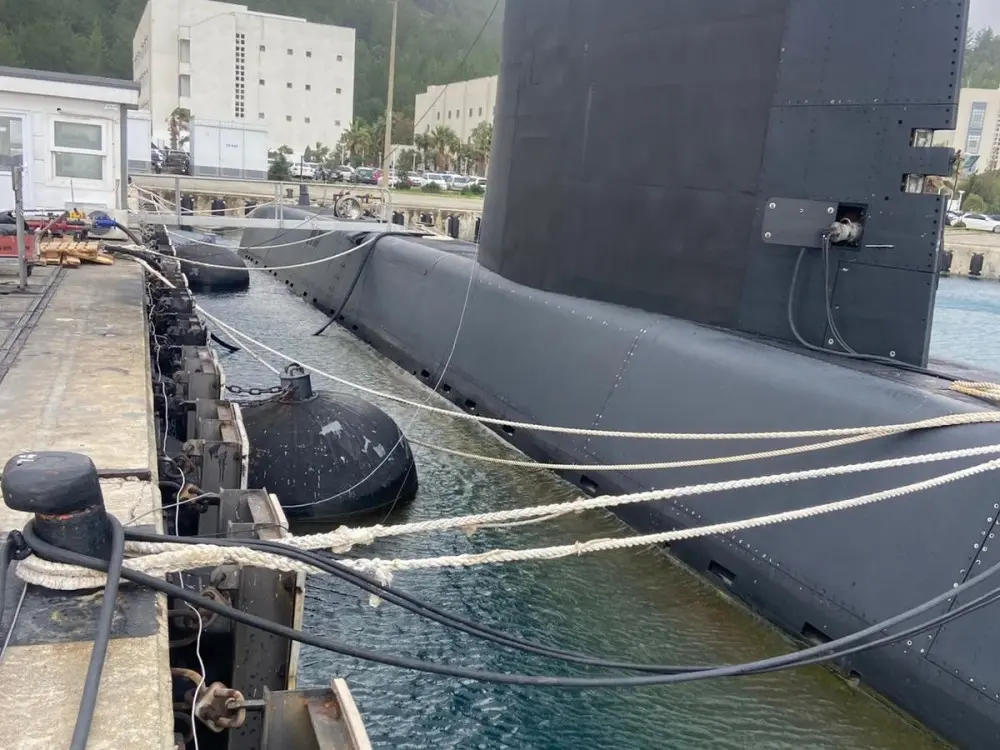
ハイドロ空気式防舷材は、空気式防舷材の特殊なバリエーションです。これらは主に潜水艦のドッキング用途に設計されている。これらの防舷材は水と空気の混合物を含み、部分的に充填されている。防舷材の下部にあるカウンターウェイトにより、海中で垂直に浮いた状態を保つことができます。この設計により、水没した船体の継続的かつ良好な保護が保証される。安全性はハイドロニューマチック・フェンダーによるものです。.

水中空気式海中防舷材は、標準的な空気式防舷材に比べて複雑な設計になっています。また、特定の設置技術も必要となる。水中空気式防舷材の効率は要因に依存する。これには、空気対水比、カウンターウェイトの質量、初期圧力設定などが含まれます。ジェリーボーグ・マリーンは、ハイドロニューマチックフローティングフェンダーを製造するための技術仕様を歓迎します。私たちが製造する防舷材は、お客様の運用ニーズに合わせてサイズやデザインを調整します。.
お見積もり

ハイドロニューマチック・サブマリン・フェンダーの利点

お見積もり

ハイドロニューマチック・ラバーフェンダーの技術仕様

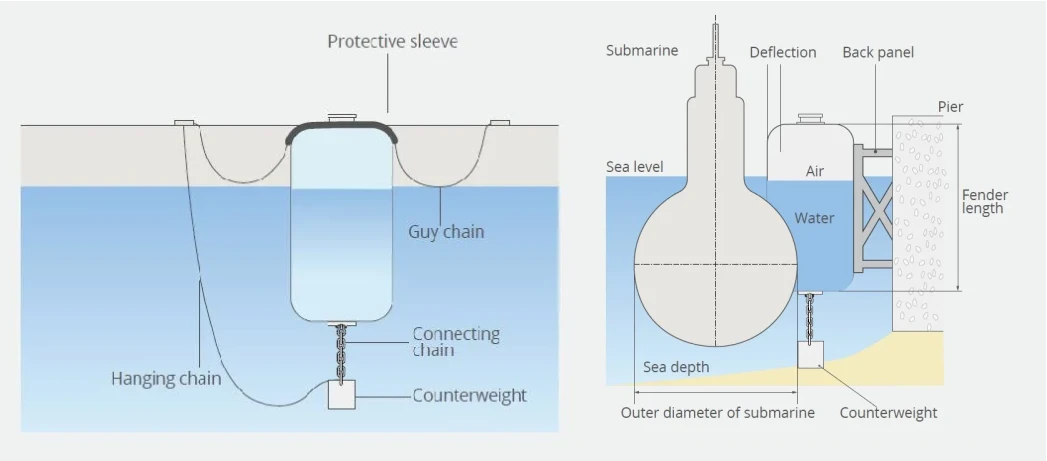
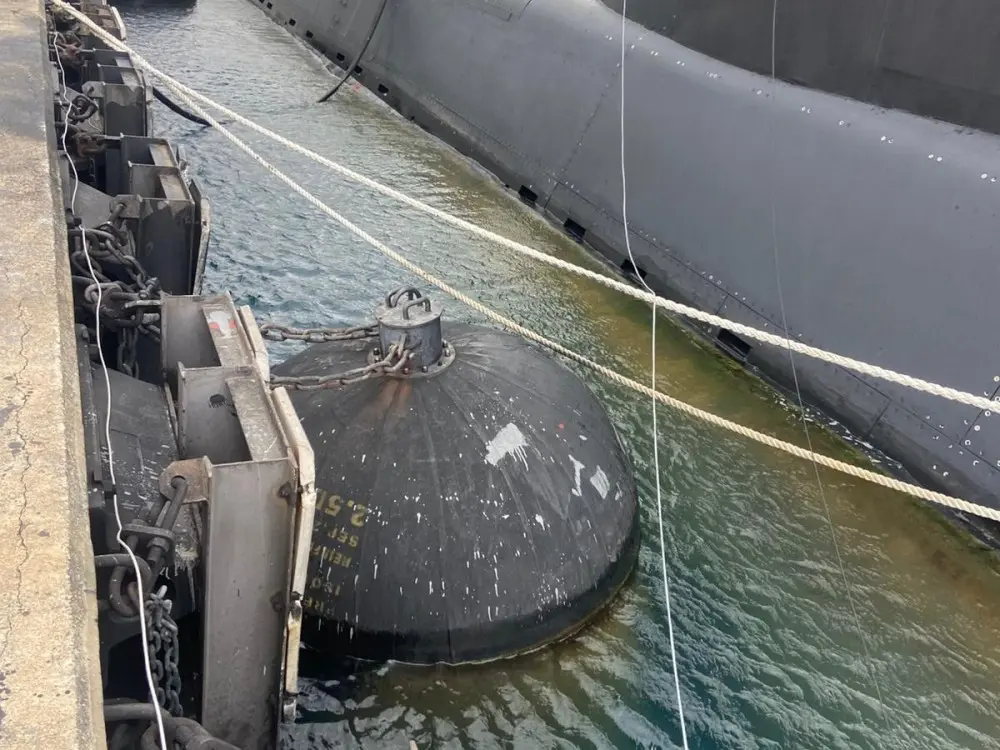
このタイプのフェンダーは保護スリーブを内蔵している。このスリーブは、本体を摩耗や海洋環境から保護する。ガイチェーンで吊り下げられた防舷材は、喫水線の高さに吊り下げられている。それは、ドッキング潜水艦との相互作用の準備ができて残っている。カウンターウェイトが吊り鎖を重くする。これにより、防舷材は垂直に静止します。.

フェンダーの内部では、空気と水のバランスが保たれている。このバランスにより、必要な浮力と圧縮特性が得られます。水面上の空気により、フェンダーは衝撃を受けると圧縮されます。潜水艦が接岸する際のエネルギーを吸収する。カウンターウェイトは水面下に存在する。防舷材のバランスをとり、たわみ後に元の位置に戻るようにします。.

防舷材はバックパネルで桟橋の横に固定される。桟橋構造物との直接接触から停泊中の潜水艦を保護する。防舷材の長さは2つの要素で決まる。それは、使用する船舶の大きさと、設置場所の水深である。防舷材の外径は、潜水艦の大きさに合わせます。これにより、安全で効果的な緩衝地帯が確保される。.

これらの仕様は、弾力性のあるシステムを提供する。ドッキング操作中に潜水艦が及ぼす大きな力に対応できます。その強度と耐久性は、船舶と接岸構造の両方を保護します。.

ハイドロニューマチック・フェンダーのデザイン

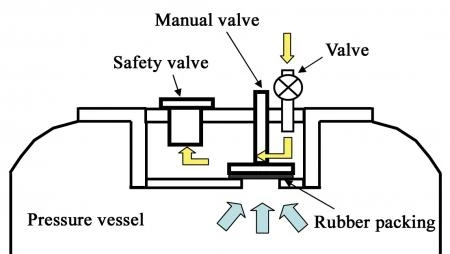
ハイドロニューマチック・フェンダーのデザインは、圧力容器を中心にしていることがわかる。この圧力容器が衝撃吸収性能の核となる。.

空気と水の正確な混合物がこの圧力容器に充填される。ドッキングする船舶に必要なクッション効果をもたらします。ゴムパッキンが圧力容器を包んでいます。内部環境を密閉し、腐食性海気から保護します。.

操作的には、内部圧力を調整するための手動バルブが存在する。また、様々な船のサイズや重量に対応することができます。安全バルブもあります。機器の故障の原因となる過圧を防ぎます。これらの部品を組み合わせることで、信頼性の高いシステムが構築される。このシステムは、潜水艦と彼らが使用するドックの両方を保護するために不可欠です。.

海底空気式防舷材の技術パラメーター

項目 水なし 60% デフレクション 45%たわみ
フェンダーサイズ [mm] エネルギー [kNm] リアクション [kN] 水と空気の比率 [%] エネルギー [kNm] リアクション [kN]
1,700 × 7,200 560 1810 65/35 134 611
2,000 × 6,000 647 1766 65/35 155 599
2,500 × 5,500 928 2037 65/35 223 687
3,300 × 6,500 1913 3169 60/40 616 1247
3,300 × 10,600 3120 5170 55/45 589 1275

お見積もり

ハイドロ・ニューマチック・フェンダーの用途

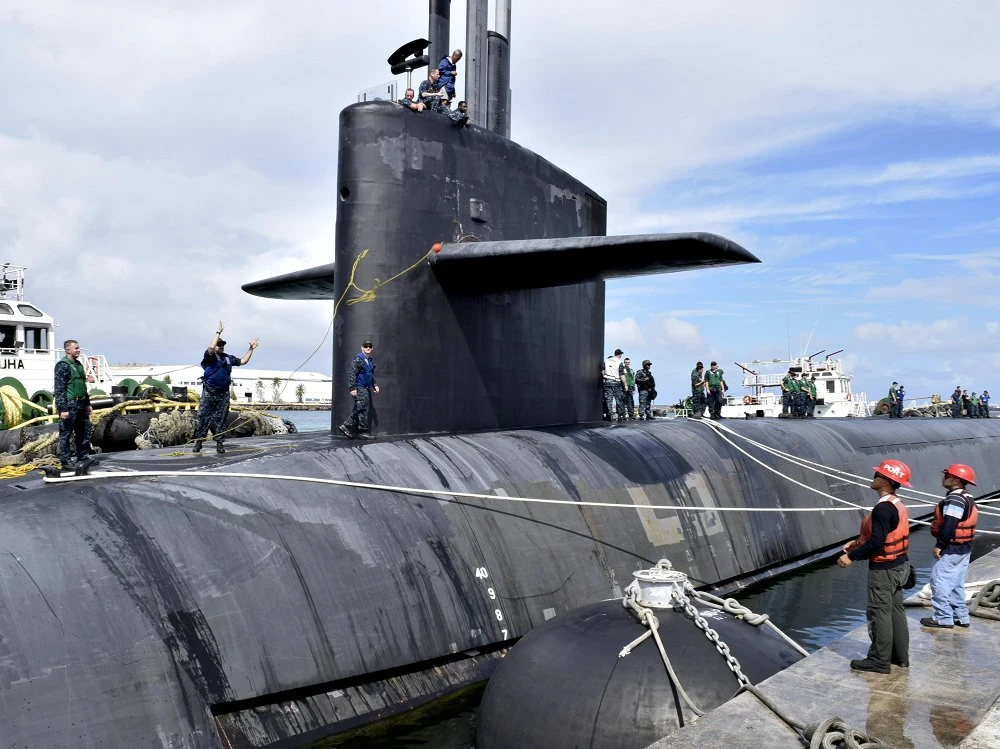
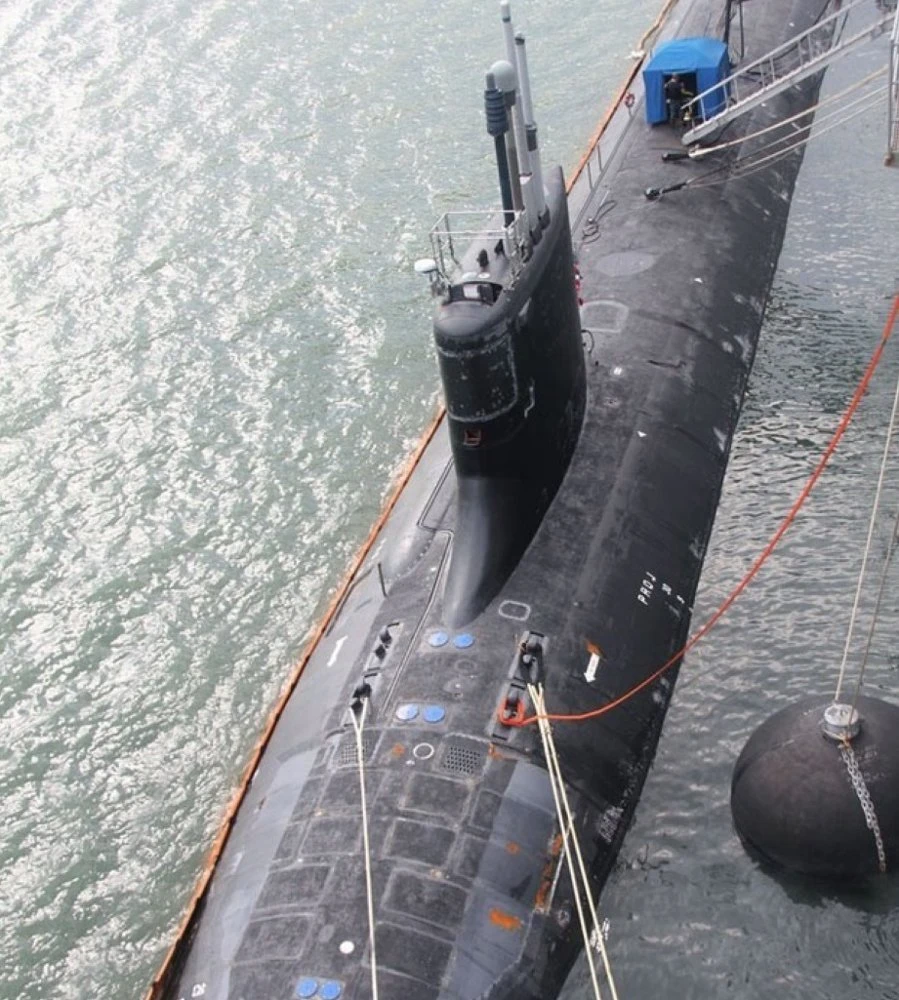
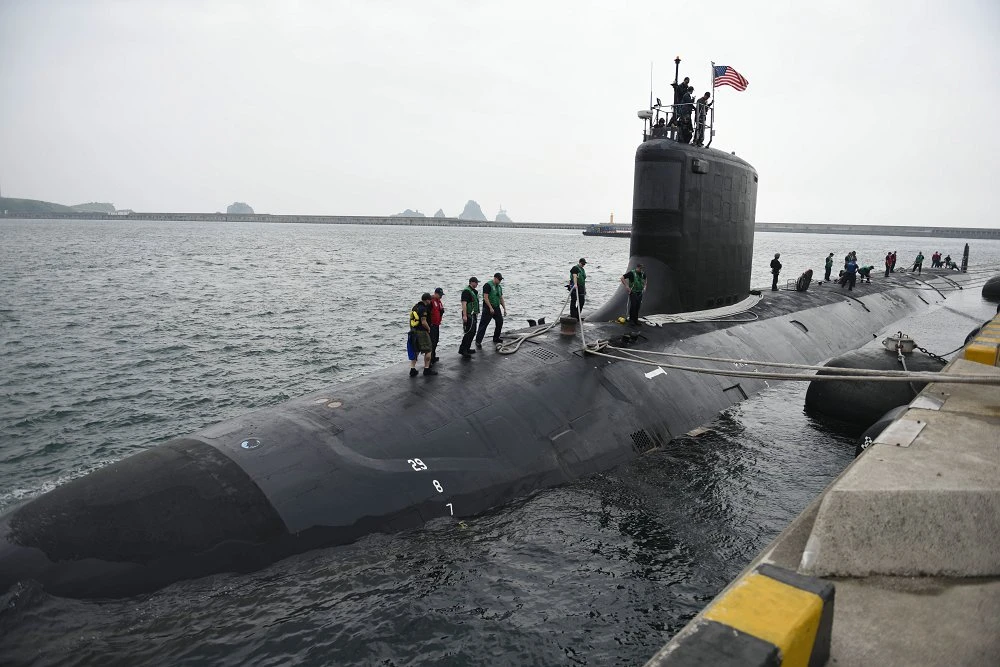
ハイドロ空気式防舷材は、海底桟橋の用途において非常に重要です。防舷材は主に船舶とドッキング構造物との間の衝撃を和らげます。このような環境では、防舷材は戦略的に配置されます。防舷材は水位と潜水艦の船体に合わせて配置されます。こうすることで、ドッキングする潜水艦の質量と運動量に対応できる応答性の高いバリアとなる。防舷材の空気室と水室は連動して衝撃を吸収する。防舷材は船体の完全性を確保し、桟橋を損傷から守る。これは、軍事用潜水艦や研究用潜水艦にとって特に重要である。精密なドッキングが要求されるからだ。また、損傷した場合の潜在的なコストも高い。.

海底桟橋のほか、ハイドロニューマチック防舷材はさまざまな海洋環境で役立っている。カスタマイズも簡単。そのため、オイルタンカー、貨物船、旅客フェリーの接岸ニーズを素早く満たすことができます。多様な海上作業に合わせた接岸ソリューションを提供します。.

ハイドロニューマチック・フェンダー-ジェリーボーグ・マリーン

FAQs of Our Hydro Pneumatic Fender

Hydro Pneumatic Fenders are often used in projects with significant water level fluctuations, such as when there are substantial differences in the vessel’s draft or when the berthing position is fixed for a long period. A portion of this type of fender operates underwater, making it more stable under tidal changes.

In actual projects, we usually consider the vessel type, water depth, and berthing method first. If it’s only temporary berthing or the water level fluctuation is small, this type of fender is generally unnecessary. Jerryborg Marine only advises clients on whether to choose a Hydro Pneumatic Fender after confirming the site conditions.

A Hydro Pneumatic Fender is an inflatable structure. It uses air as the primary cushioning medium internally and is covered by a rubber body externally. Unlike ordinary inflatable fenders, its overall structure is designed with underwater operation in mind, requiring higher rubber strength and airtightness.

In practical design, this type of fender is usually used in conjunction with chains, counterweights, and other components to maintain overall stress balance. Jerryborg Marine focuses on controlling the rubber layer structure and sealing performance when manufacturing Hydro Pneumatic Fenders to ensure that the fender maintains stable cushioning performance even under long-term pressure.

Generally, the Hydro Pneumatic Fender requires sufficient water depth to ensure it is positioned correctly during operation. Insufficient water depth may affect the fender’s stress distribution.

In the early stages of a project, Jerryborg Marine will confirm the site water depth and tidal conditions with the client to avoid mismatches with site conditions after fender selection.

This type of fender is typically installed for long-term use, so the installation location and fixing method need to be planned in advance. This includes the fender’s suspension height, connection method, and whether it needs to be used in conjunction with mooring structures.

Jerryborg Marine will assist clients in confirming the installation method during the project to ensure the fender’s stable stress distribution after deployment and to ensure it does not affect normal berthing operations.

Not all Hydro Pneumatic Fenders require a counterweight. Whether or not a counterweight is needed depends primarily on site conditions, such as water depth, fender dimensions, and installation method. In some projects, the fender’s position is relatively stable, and it can function normally without a counterweight.

At the beginning of a project, Jerryborg Marine will determine whether a counterweight is needed based on these actual conditions, rather than assuming it is mandatory from the outset, thus avoiding unnecessary costs.

With incomplete project information, it’s difficult to directly determine whether a Hydro Pneumatic Fender is suitable. It’s usually necessary to first understand basic factors such as vessel type, water depth, berthing method, and service life.

At this stage, Jerryborg Marine will work with the client to review this key information before determining whether this type of fender is suitable, avoiding frequent adjustments to the plan later.

プロジェクト事例

今すぐご連絡を

簡単なお見積もりで、私たちのことをもっと知ってください。.


    を選択して、あなたが人間であることを証明してください。.