Jerryborg Marine Marine Salvage Airbags

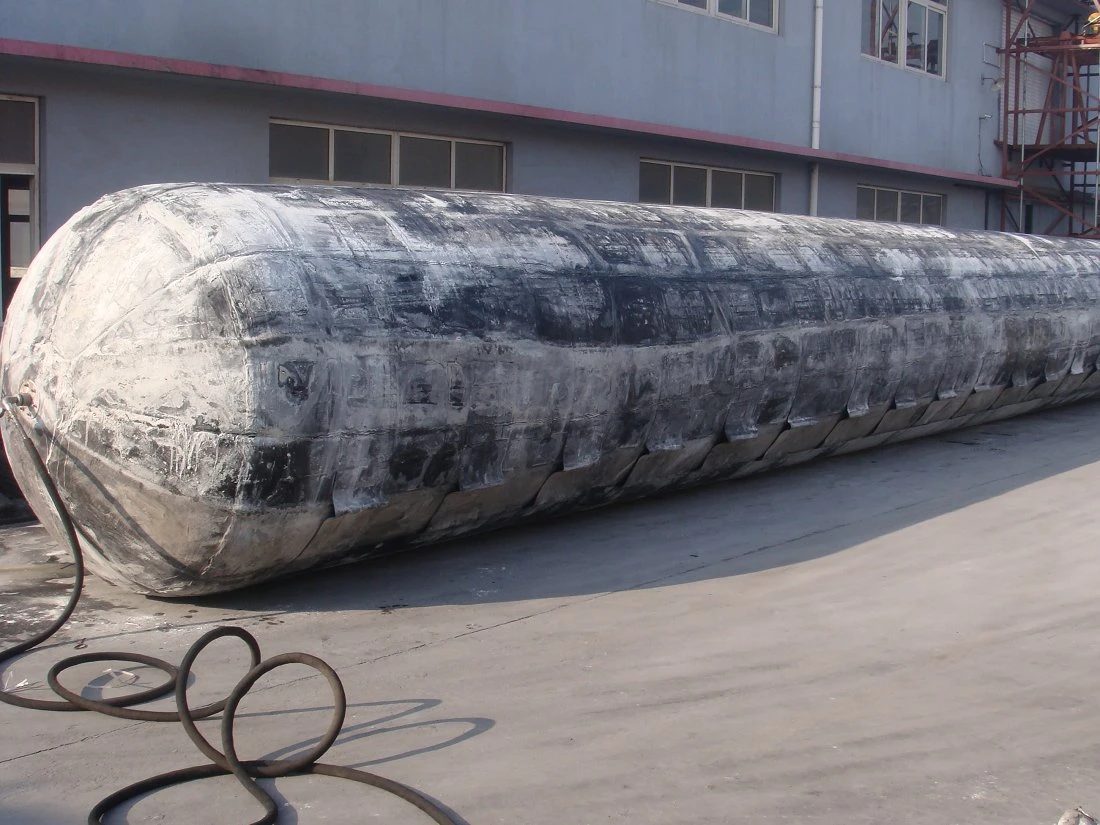
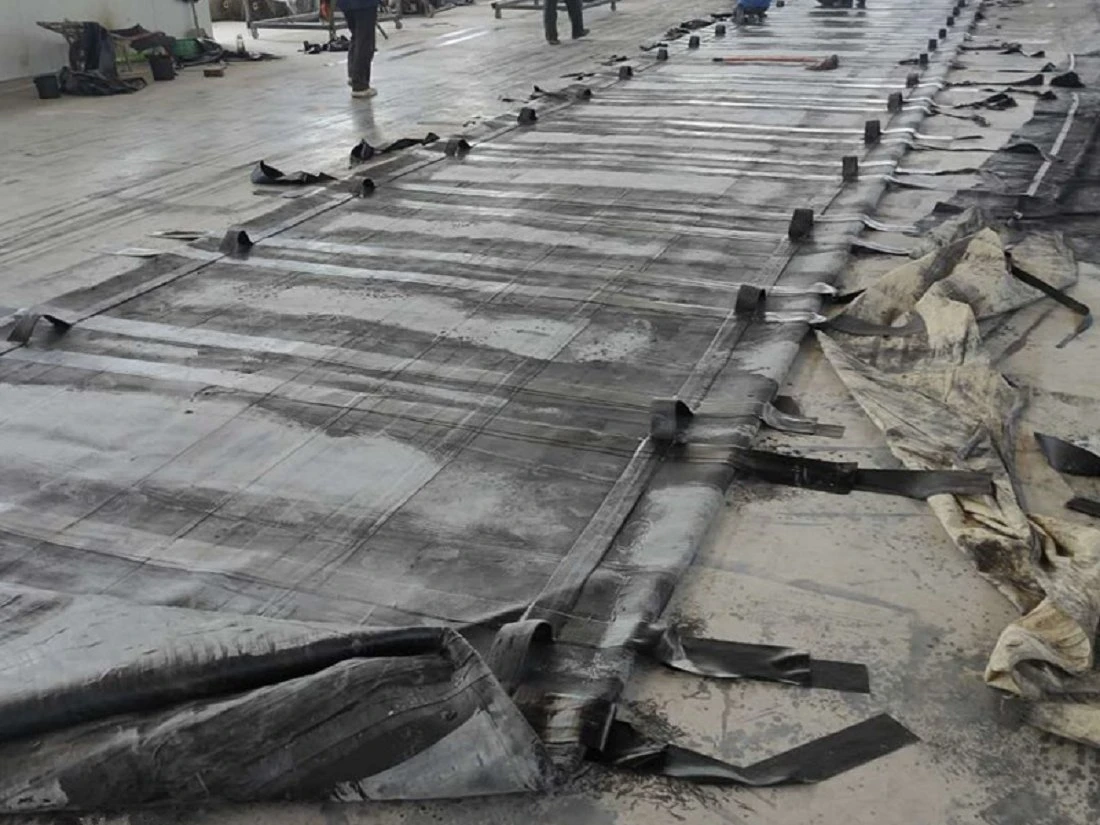
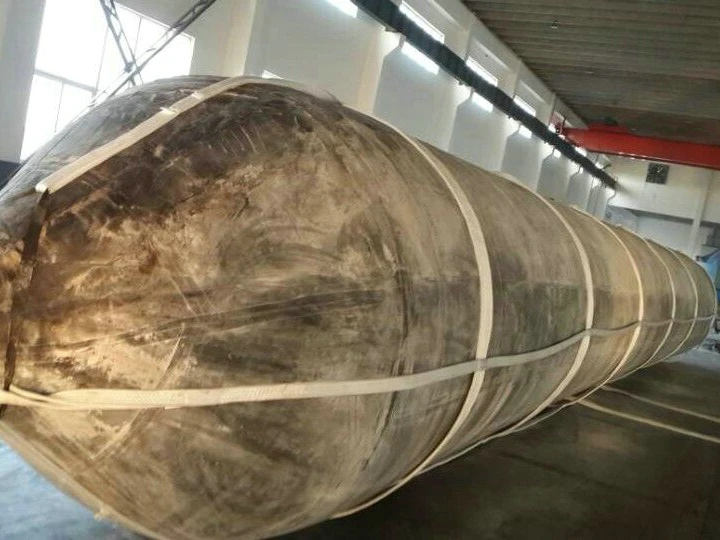
Jerryborg’s marine salvage airbags provide versatility and efficiency for underwater salvage and recovery operations. These airbags are designed to be lightweight and compact, making them easy to transport and deploy in a variety of offshore environments.

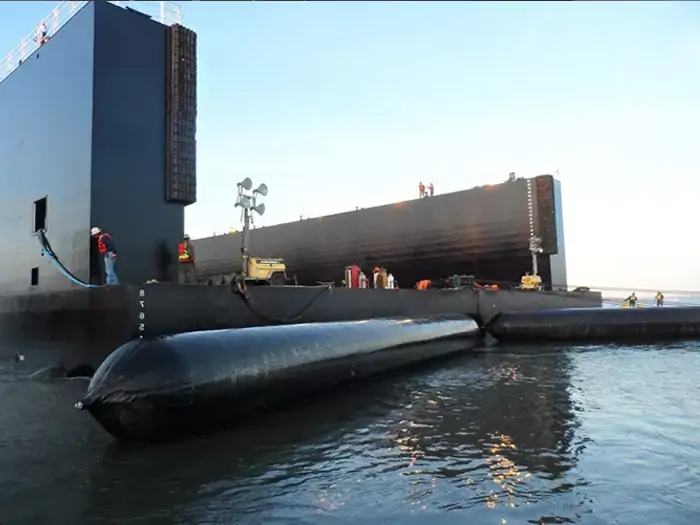
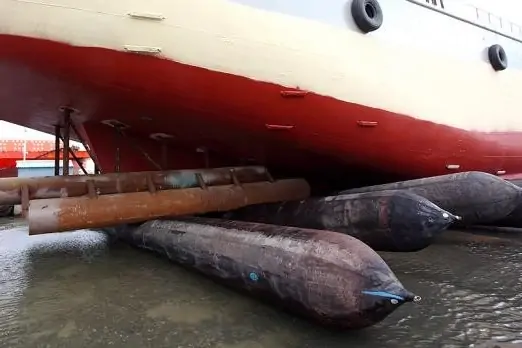
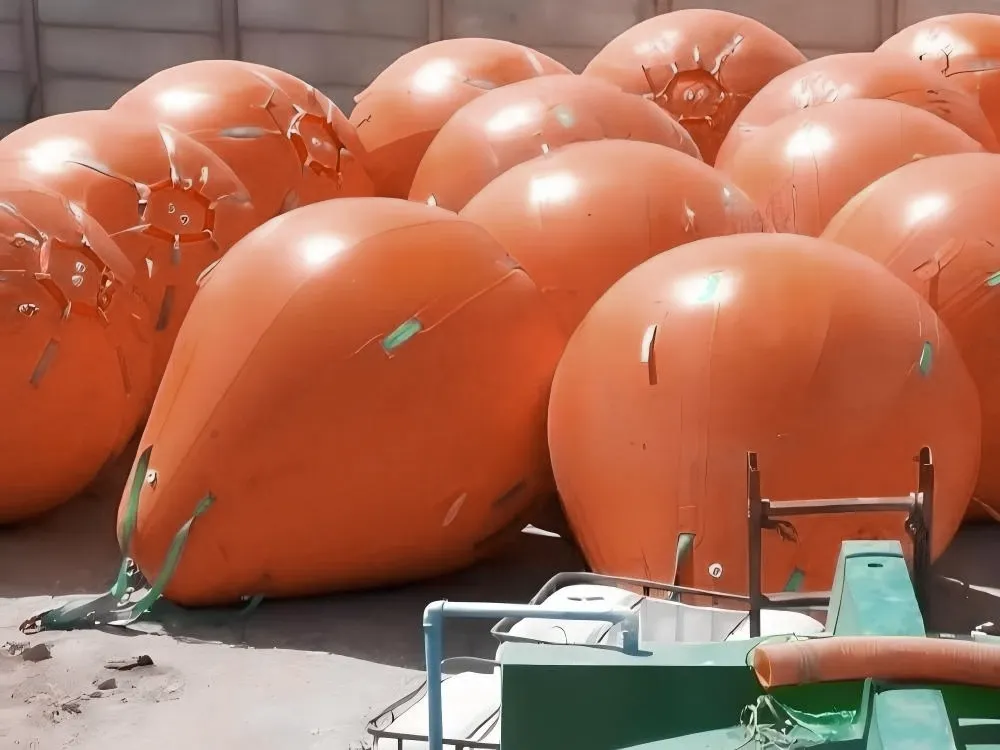
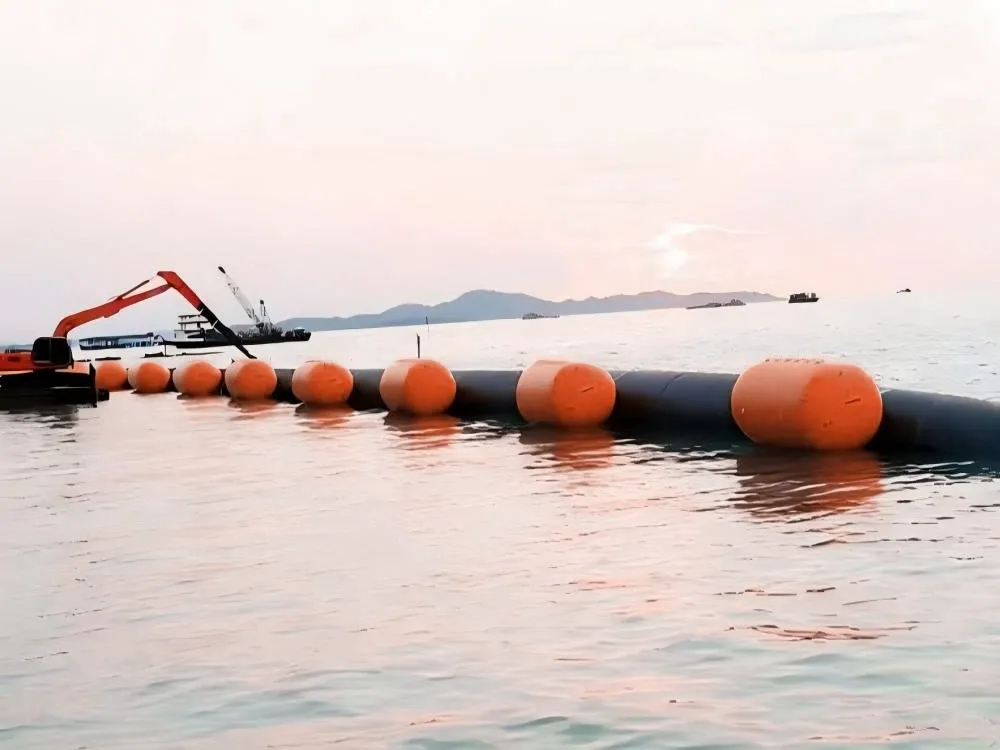
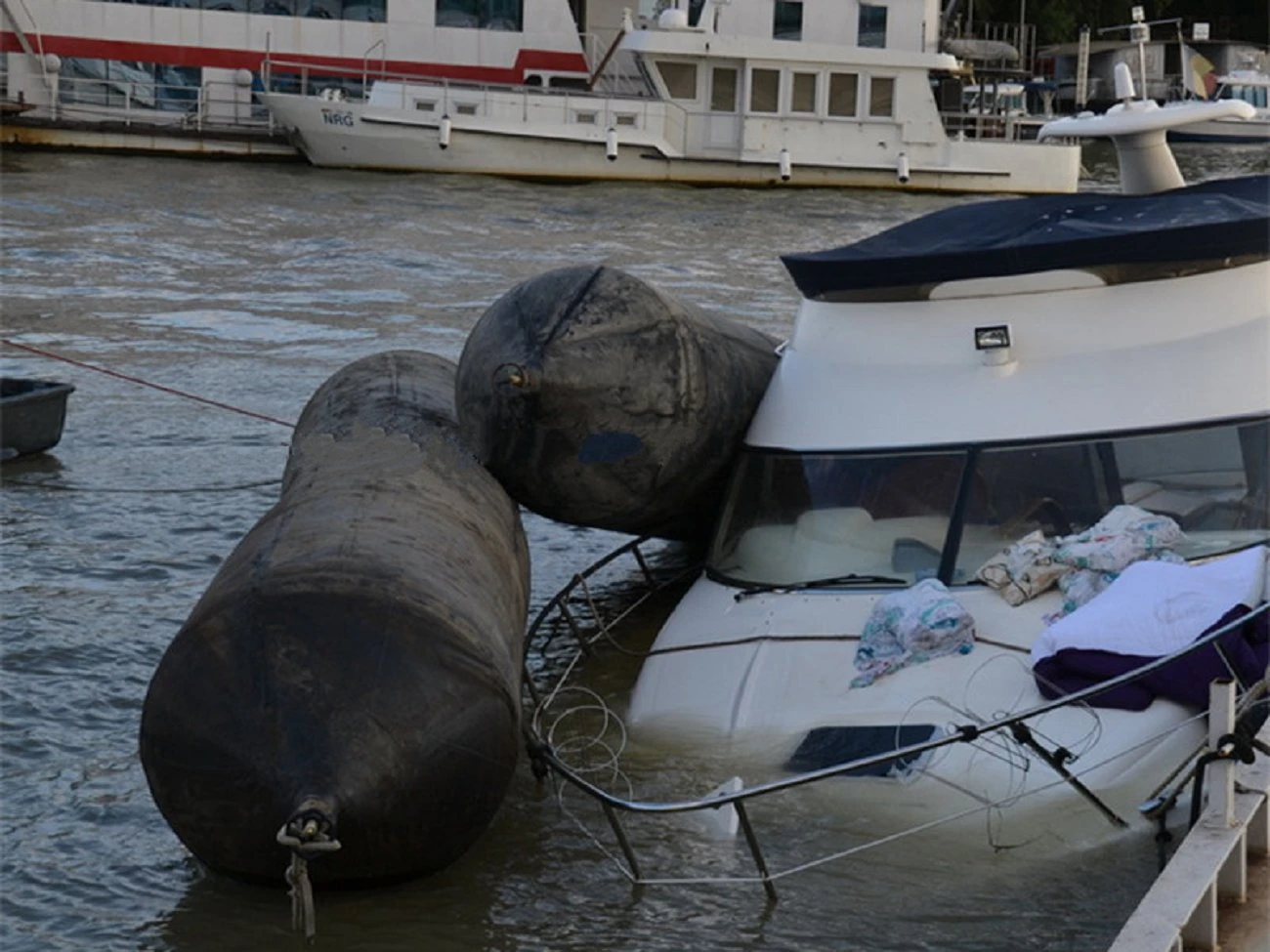
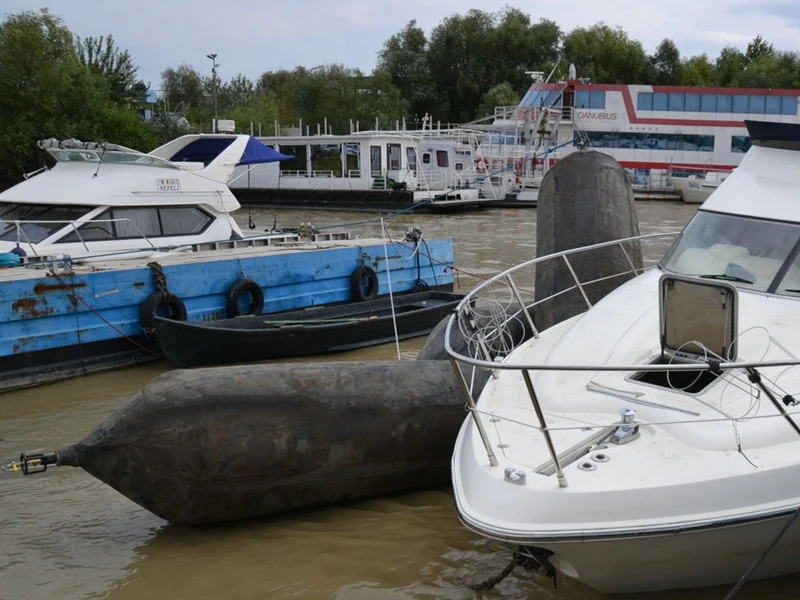
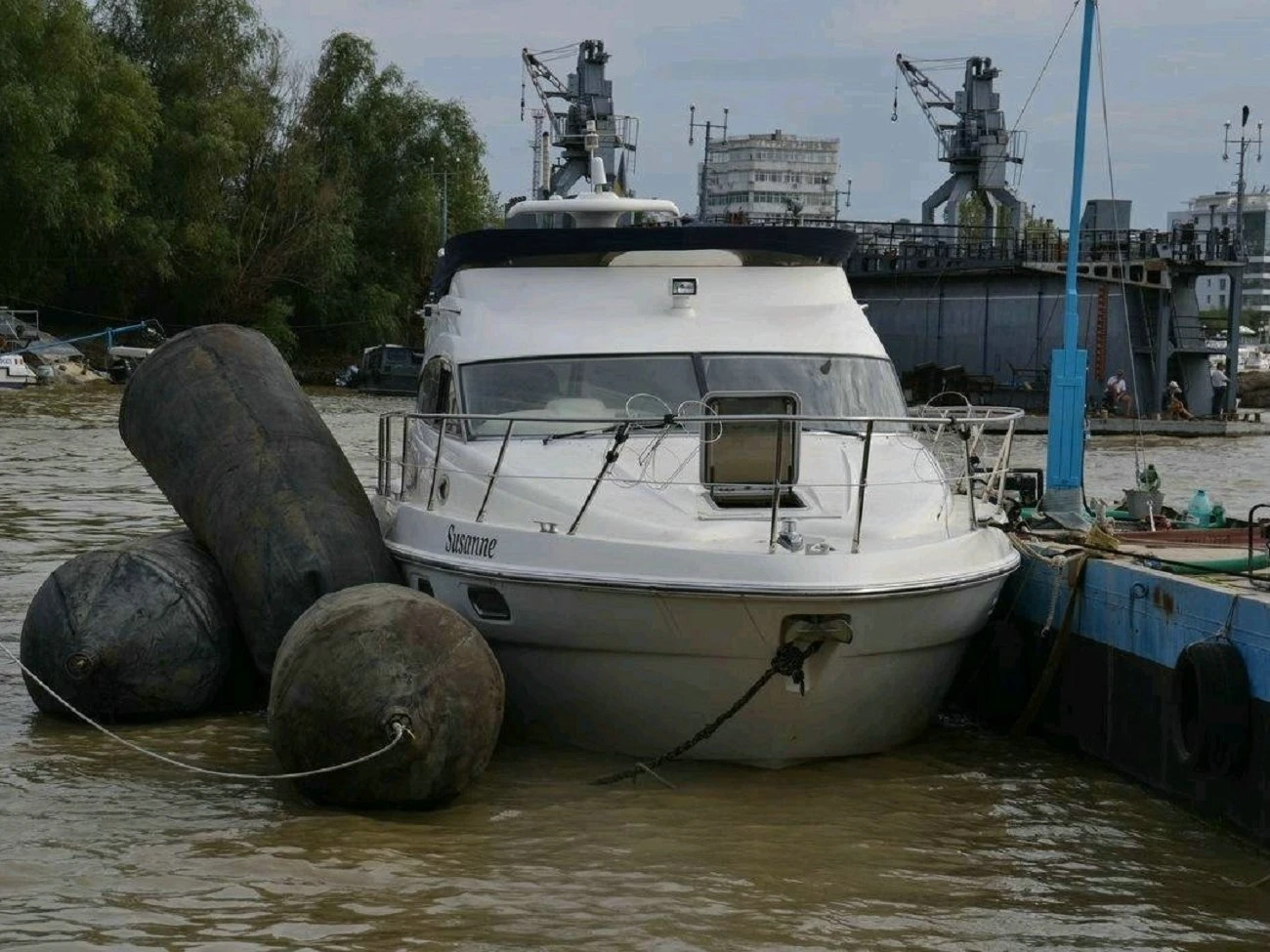
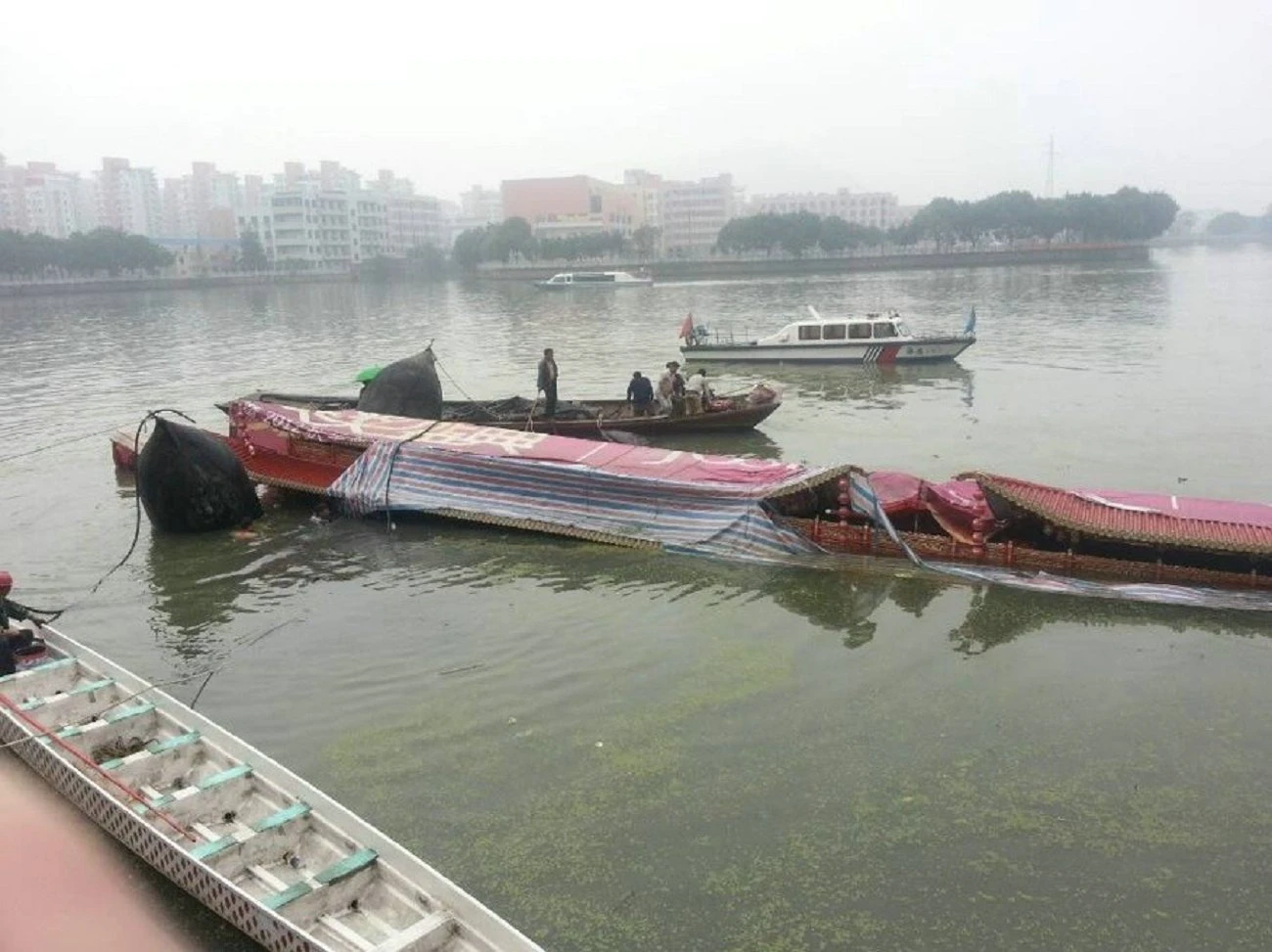
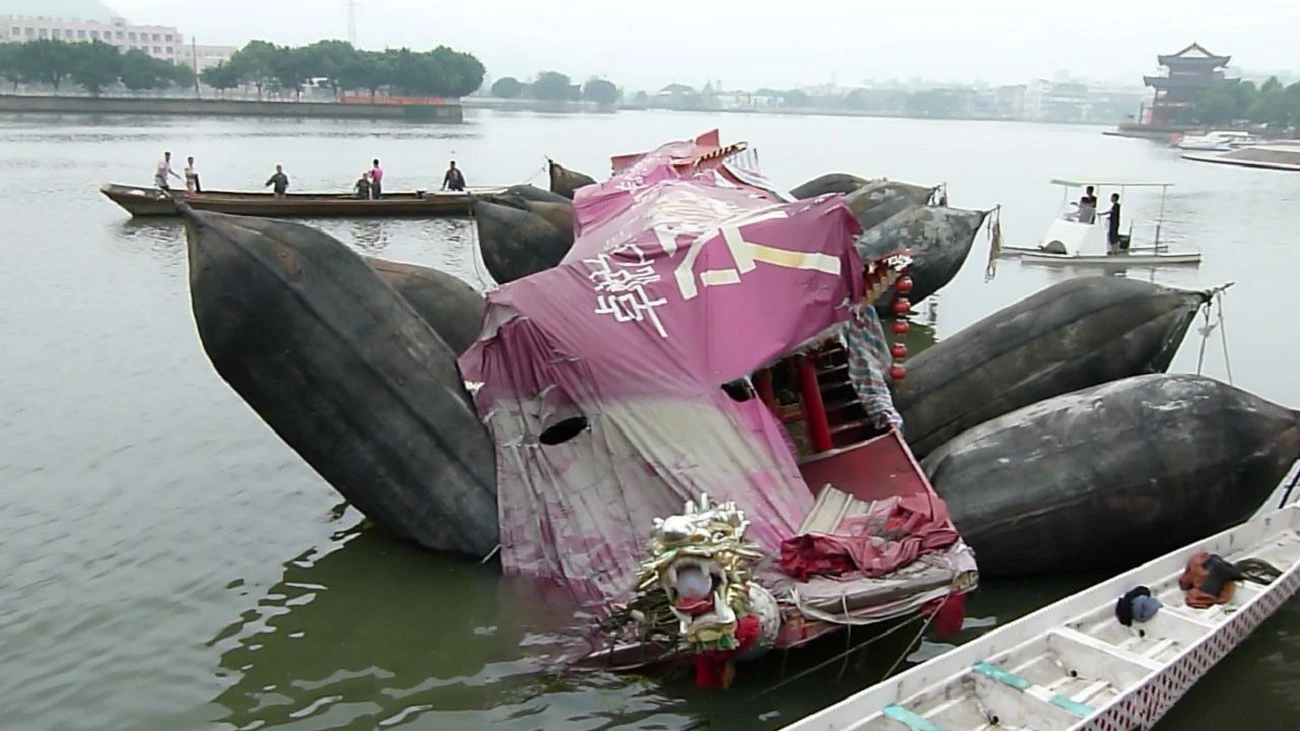
Our rubber salvage airbags are versatile and can meet various salvage needs. They can be used vertically to salvage wrecks from deep water and horizontally for lifting and pumping operations. They can be used as pontoons on either vessel’s side for balanced lifting in shallow water. Similar to our Marine Launching Airbags, they can also be used as rollers to tow stranded vessels back into the water.

Each airbag is made from premium materials to ensure durability and long-term reuse. Jerryborg understands the challenges of marine salvage and provides airbags that are not only effective but also meet a variety of inspection requirements and can provide the necessary certifications upon request.
Get a Quote

Marine Salvage Rubber Airbag Advantages

High-Pressure Capability: Our salvage tubes withstand pressures up to 0.25Mpa and are suitable for use at depths up to 25 meters.

Durability Against Abrasion: Jerryborg marine salvage airbags are designed with a thickness of 10mm or more, allowing them to perform under harsh conditions. If the outer rubber layer is damaged, the inner synthetic tire cord layer continues to function effectively.

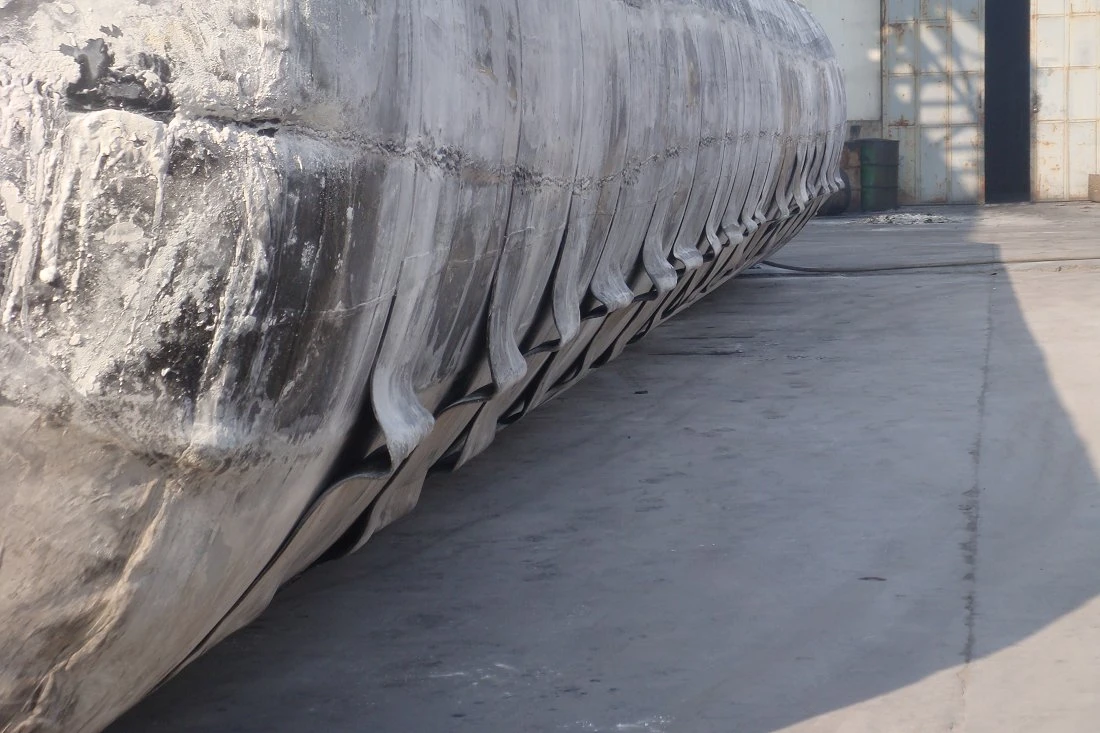
Holistic Intertwined Technology: We manufacture our marine salvage airbags using Holistic Intertwined Technology, the same method used for our ship launching airbags. This technique avoids the welded seams typical of PVC airbags.

Full Accessories: Our salvage airbags have nylon tire cord belts and buckles for a 6:1 safety factor.

Enhanced Tensile Strength: The special synthetic tire-cord reinforcement in our salvage airbags provides superior strength compared to PVC-coated materials.

Versatile Applications: Due to their high working pressure, our marine salvage airbags are ideal for lifting operations from underwater and providing buoyancy support on the surface of sunken ships.

Get a Quote

Structure of a Marine Salvage Airbag

Outer Layer: The outer layer of our Marine Salvage Airbags is made of abrasion-resistant rubber or PVC. This material effectively resists seawater erosion, friction, and UV radiation, ensuring that it maintains its performance in the harsh marine environment.

Reinforcement Layer: This layer consists of robust and pliable cords, typically manufactured using synthetic materials such as nylon or polyester. These materials have excellent tensile strength and abrasion resistance and can enhance the airbag’s structural stability.

Valves and fittings: We choose corrosion-resistant metal materials to manufacture valves and fittings to ensure the airbag’s inflation and deflation process is controlled and safe. These ensure that gas does not leak during inflation and is released quickly and safely when it is time to deflate.

Get a Quote

Structure of a Marine Salvage Airbag

Application of Marine Salvage Airbag

Rescue of stranded vessels

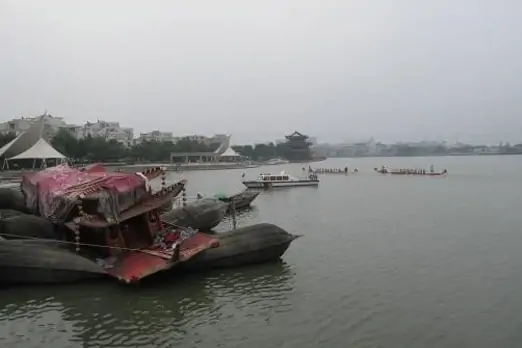
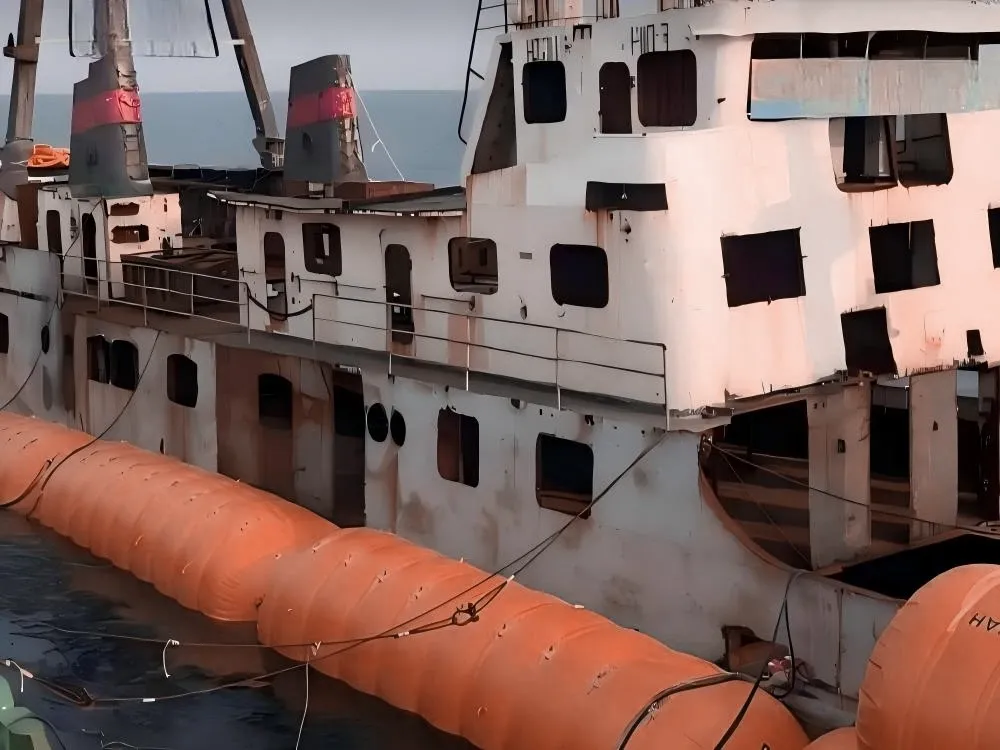
When a vessel runs aground for any reason, marine salvage airbags can be quickly deployed around the vessel to provide additional buoyancy to help refloat the vessel and restore its navigability.

Help Float Sunken Vessels

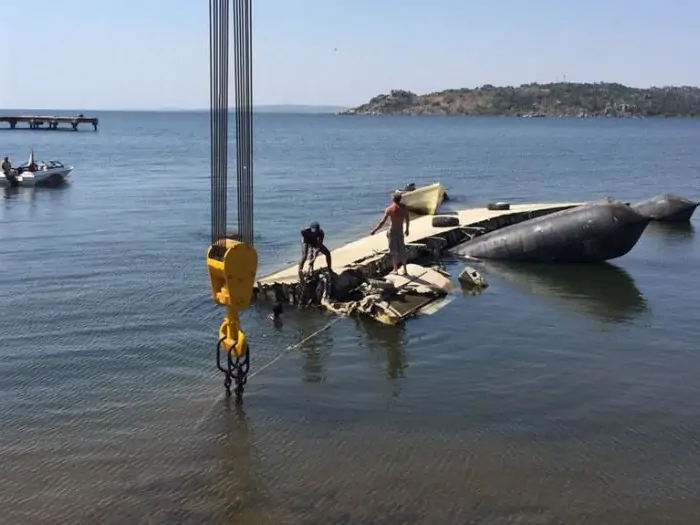
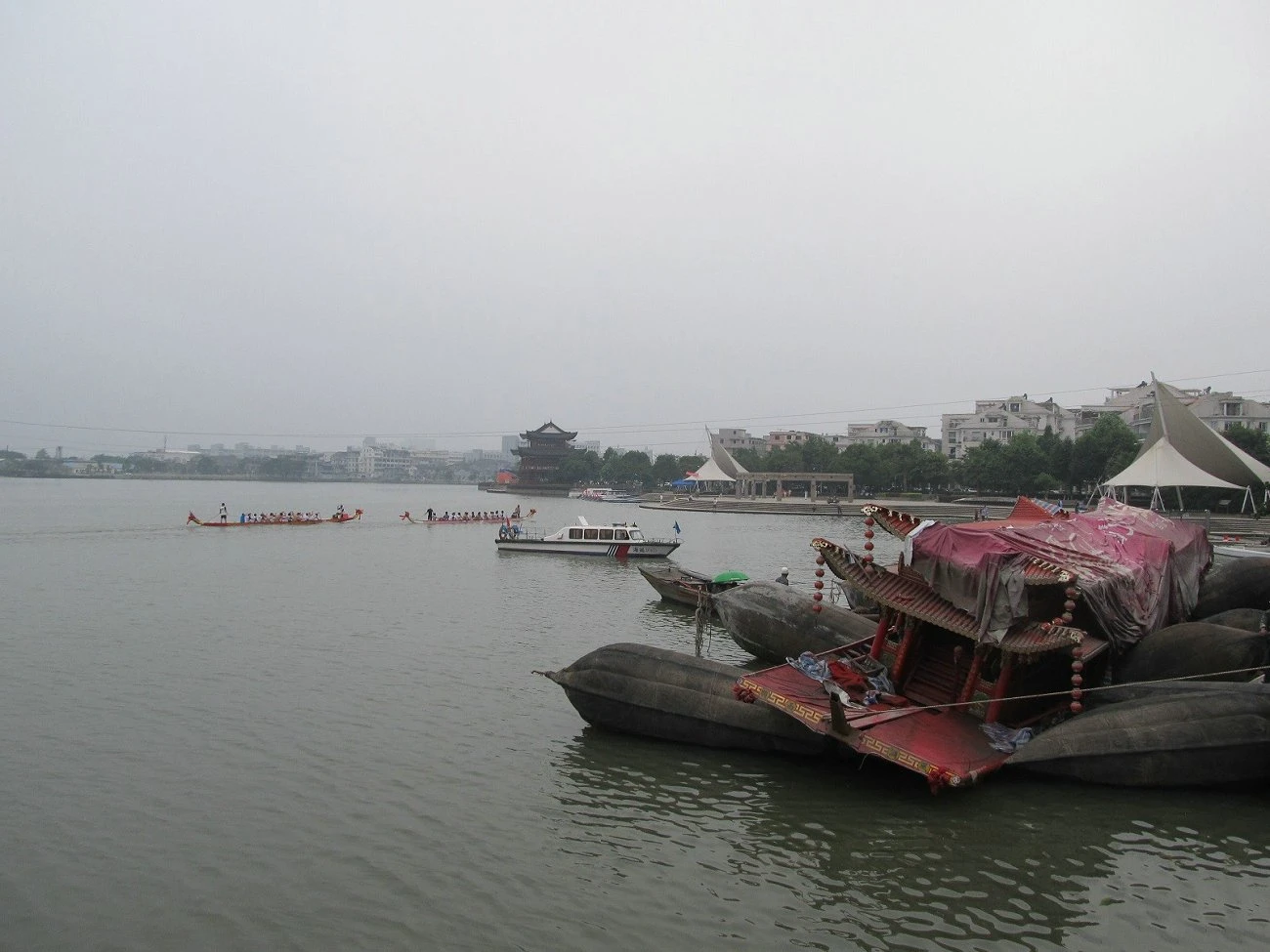
For vessels that have sunk, marine salvage airbags can be placed under the hull by inflating and fixing the airbags to provide enough buoyancy to float the vessel as a whole or partially to the surface of the water to facilitate the subsequent salvage and repair work.

Caisson jacking and removal

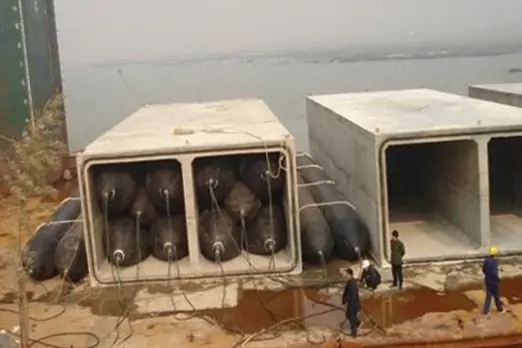
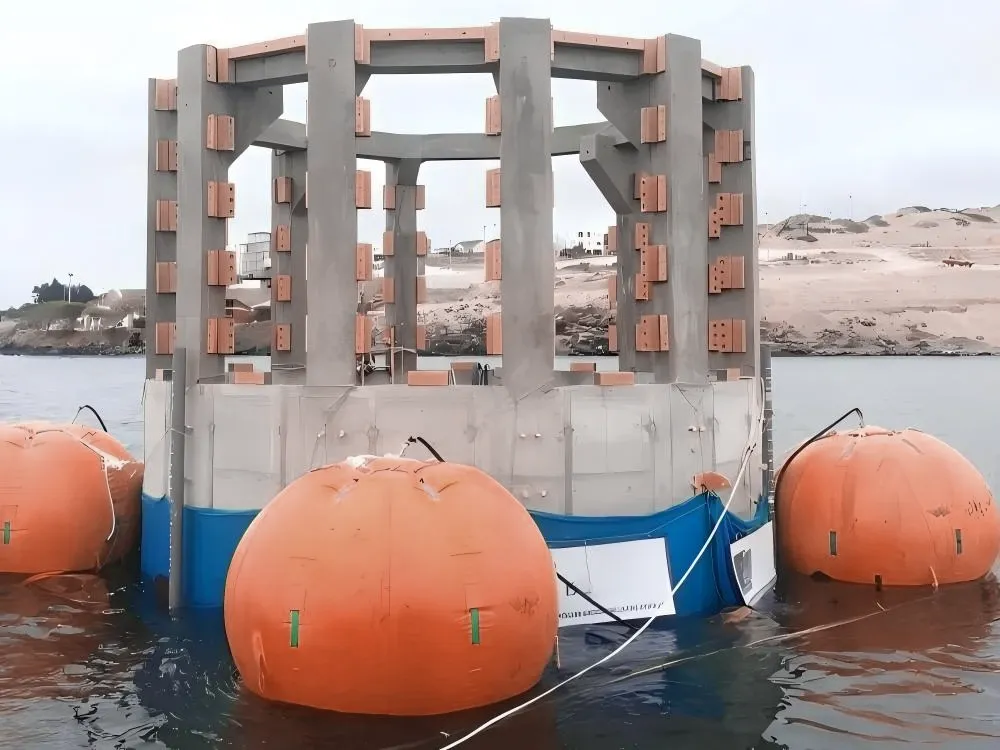
Caissons are common in harbor construction and water conservancy projects. Marine salvage airbags can be used for caisson jacking and transportation to realize safe and efficient movement of caissons through inflating and deflating operations.

Underwater construction buoyancy aid

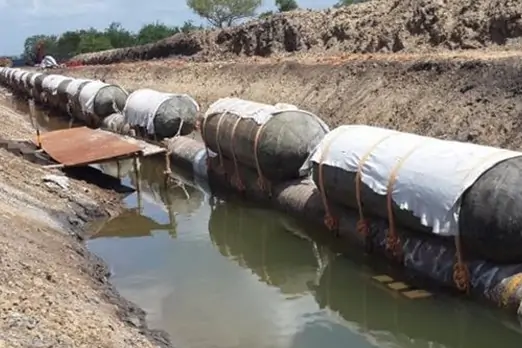
In underwater construction projects, such as bridge construction, tunnel construction, etc., marine salvage airbags can be used as auxiliary equipment to provide the necessary buoyancy support to ensure the stability and safety of the construction process.

How to use marine salvage airbags correctly

  • First, choose a suitable marine salvage airbag to ensure that its buoyancy and carrying capacity meet the requirements, and check the integrity of the airbag to ensure that it is not broken or leaking.
  • Then, place the airbag underneath the wreck or around the object to be salvaged and secure it with ropes or lashings to ensure that the airbag is stable and provides sufficient buoyancy.
  • Next, the airbag is inflated through the inflation equipment until it is fully deployed and provides sufficient buoyancy. Control the inflation rate and pressure during the inflation process to ensure that the airbag inflates evenly.
  • Once the airbag provides sufficient buoyancy, the wreck or object will be lifted, and salvage operations can proceed.
  • Upon completion of salvage, use the deflation device to vent the gas from the airbag, allow the airbag to shrink, and store it properly for next use.

Get a Quote

How to use marine salvage airbags correctly

Salvage Rubber Airbags Technical Specifications

Effective Length(m) Marine Salvage Airbags Buoyancy(tons)
5 3.93 5.65 8.84 12.72 15.71
6 4.71 6.79 10.6 15.27 18.85
7 5.5 7.92 12.37 17.81 21.99
8 6.28 9.05 14.14 20.36 25.13
9 7.07 10.18 15.9 22.9 28.27
10 7.85 11.31 17.67 25.45 31.42
11 8.64 12.44 19.44 27.99 34.56
12 9.42 13.57 21.21 30.54 37.7
13 10.21 14.7 22.97 33.08 40.84
14 11 15.83 24.74 35.63 43.98
15 11.78 16.96 26.51 38.17 47.12
16 12.57 18.1 28.27 40.72 50.27
17 13.35 19.23 30.04 43.26 53.41
18 14.14 20.36 31.81 45.8 56.55

Get a Quote

Air Filled Buoyancy Bag Types

Parachute Type Air Lift Bags

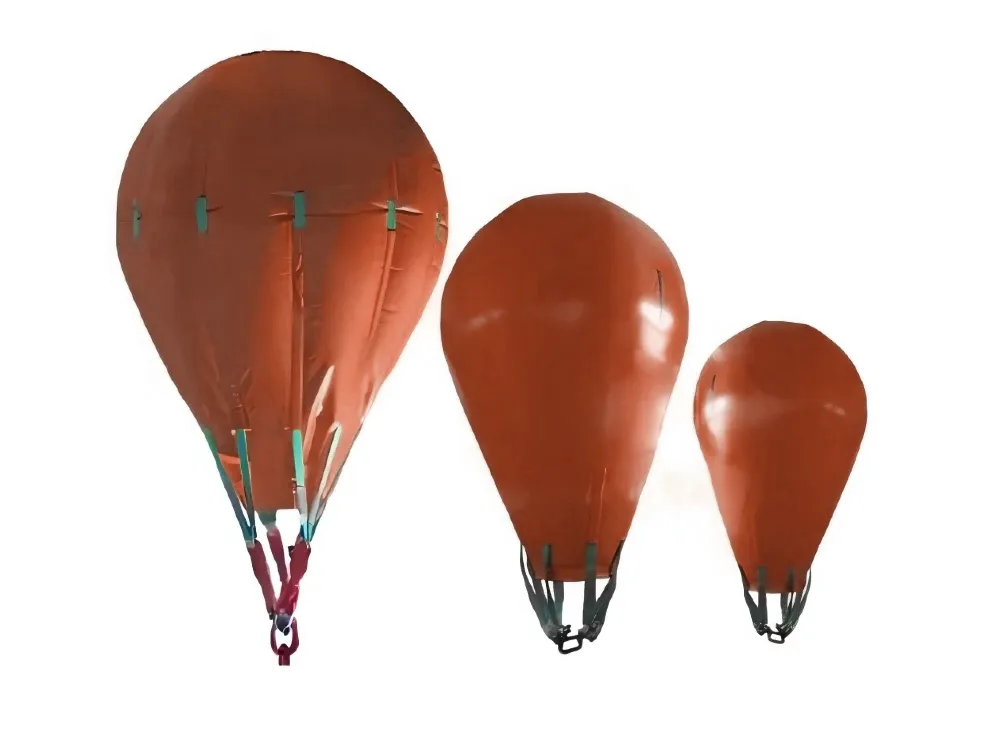
Jerryborg Marine’s parachute type air lift bags are teardrop-shaped and are often used for underwater lifting. It can be used for lifting at different water depths, commonly for slowly bringing items from the seabed to the surface.

Structurally, it has two designs: open-bottom and closed-bottom, with the choice based on specific on-site working conditions. The single-point connection design is straightforward, making it easier to reduce weight or assist in lifting underwater structures like pipes.

These airbags are mainly used for salvage or underwater transport, such as buoying sunken objects or bringing equipment up from the seabed.

Jerryborg Marine products use a thick polyester fabric substrate with a PVC coating on the outside. Lifting straps, shackles, and other accessories are included, and most are traceable, providing added peace of mind for projects. All airbags undergo testing according to IMCA D 016 before leaving the factory; we consistently adhere to this standard.

Get a Quote

Parachute-Type-Air-Lift-Bags-jerryborg-marine
Parachute-Type-Air-Lift-Bags

Features and Advantages of Parachute Type Air Lift Bags

1. The entire product is made of thickened PVC-coated fabric, which is UV-resistant. The entire product undergoes load-bearing testing, typically verified with a safety factor of 5:1.

2. The slings use a double-layer webbing structure with a safety factor of 7:1, primarily for long-term stability.

3. The airbag body uses a high-frequency heat-sealing process, resulting in more uniform seams. Valves and connectors are included with the product at the factory, eliminating the need to source additional parts.

4. A quick-release valve at the bottom provides direct buoyancy control and facilitates on-site operation.

5. Third-party testing reports can be provided if required by the project. This can be discussed in advance.

Type

Model

Lift Capacity

Dimension (m)

Dump Vales

Appr. Packed Size (m)

Appr. Weight Kgs

Kgs

LBS

Dia

Height

Length

Width

Height

Commercial Lifting Bags

PAB-50L

50

110

0.3

1.1

Yes

0.40

0.15

0.15

2

PAB-100L

100

220

0.6

1.3

Yes

0.45

0.15

0.15

5

PAB-250L

250

550

0.8

1.7

Yes

0.54

0.20

0.20

7

PAB-500L

500

1,100

1.0

2.1

Yes

0.60

0.23

0.23

14

Professional Lifting Bags

PAB-1

1000

2,200

1.2

2.3

Yes

0.80

0.40

0.30

24

PAB-2

2000

4,400

1.7

2.8

Yes

0.80

0.40

0.30

30

PAB-3

3000

6,600

1.8

3.0

Yes

1.20

0.40

0.30

35

PAB-5

5000

11,000

2.2

3.5

Yes

1.20

0.50

0.30

56

PAB-6

6000

13,200

2.3

3.6

Yes

1.20

0.60

0.50

60

PAB-8

8000

17,600

2.6

4.0

Yes

1.20

0.70

0.50

100

PAB-10

10000

22,000

2.7

4.3

Yes

1.30

0.60

0.50

130

PAB-15

15000

33,000

2.9

4.8

Yes

1.30

0.70

0.50

180

PAB-20

20000

44,000

3.1

5.6

Yes

1.30

0.70

0.60

200

PAB-25

25000

55,125

3.4

5.7

Yes

1.40

0.80

0.70

230

PAB-30

30000

66,000

3.8

6.0

Yes

1.40

1.00

0.80

290

PAB-35

35000

77,000

3.9

6.5

Yes

1.40

1.20

1.30

320

PAB-50

50000

110,000

4.6

7.5

Yes

1.50

1.40

1.30

450

Totally Enclosed Air Lift Bags

Jerryborg Marine’s totally enclosed air lift bags are fully enclosed inflatable buoyancy devices primarily used for auxiliary buoyancy on water surfaces or in pipeline-laying applications.

The entire airbag is sealed, making it more stable in use and less susceptible to water flow than open structures.

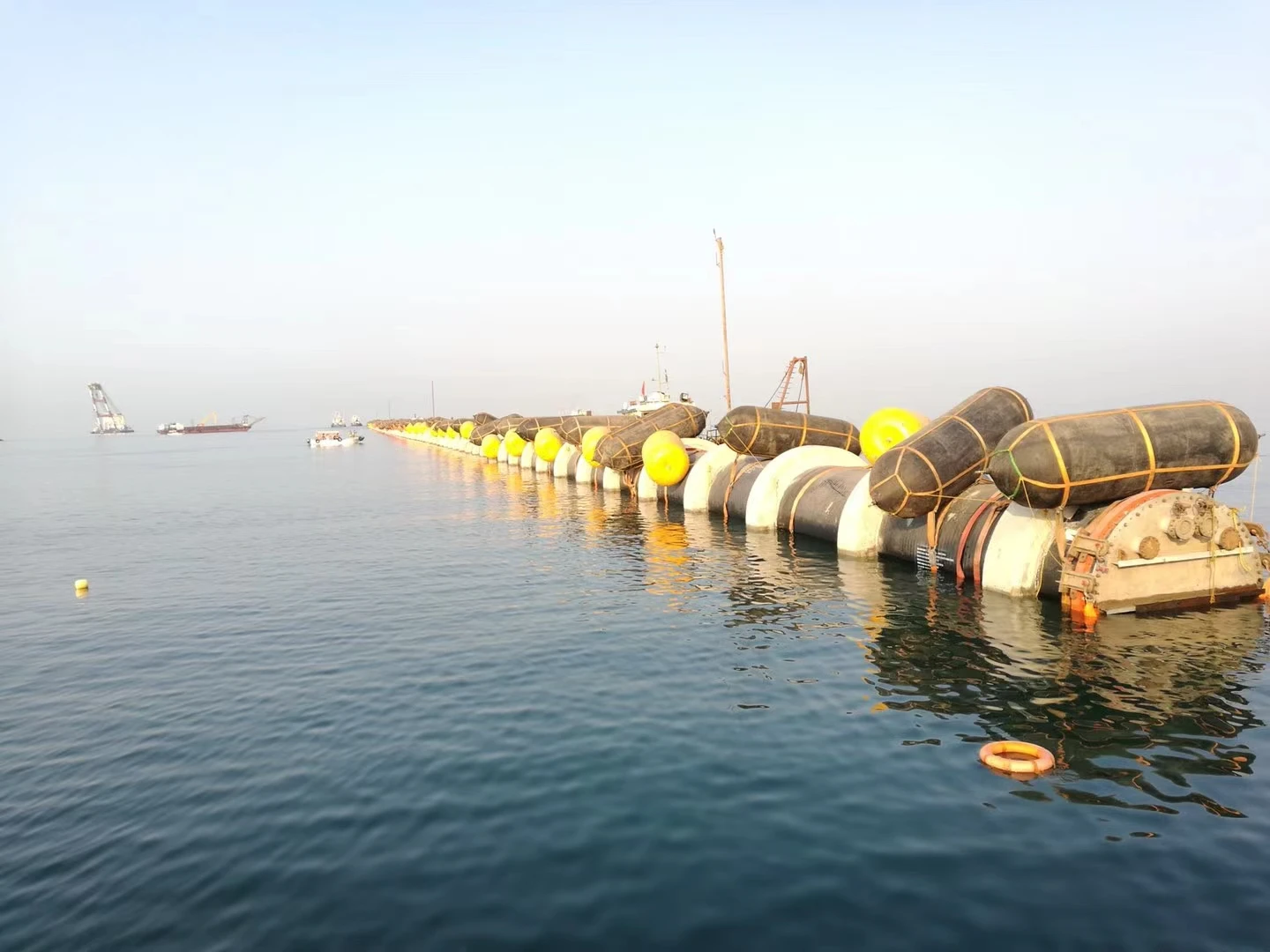
These types of airbags are commonly used in shallow water areas to support static loads, such as temporary floats, for bridge construction support, platform support, or to provide auxiliary buoyancy for some equipment. Some projects also use it to reduce ship draft or weight during underwater structure treatment.

These airbags are also frequently used when transporting pipelines or cables, mainly to provide continuous buoyancy, making the system easier to control and preventing sudden sinking.

Jerryborg Marine’s products of this type have a cylindrical structure, with a high-strength polyester base and a PVC coating on the outside. The airbag body is a fully enclosed design and is equipped with an automatic pressure relief valve, an air intake valve, and a complete set of hoisting straps and connectors, which can be used directly on site.

All products are tested according to IMCA D 016 before leaving the factory, and we have always followed this standard. We consistently adhere to this standard.

Get a Quote

Totally-Enclosed-Air-Lift-Bags
Totally-Enclosed-Air-Lift-Bag

Features and Advantages of Totally Enclosed Air Lift Bags

1. Made with thickened PVC coating material, it offers some UV resistance, suitable for long-term outdoor use.

2. The entire system will undergo load-bearing tests, typically using a safety factor of 5:1 for verification, providing more margin for use.

3. The airbag seams are sealed using a high-frequency heat-sealing process, resulting in a more stable overall seal.

4. The product comes fully equipped with valves, shackles, and webbing, so there’s no need to prepare them separately.

5. The airbag is equipped with an automatic pressure relief device, which helps control the internal pressure during inflation.

6. If required by the project, a third-party testing report can be provided; this can be confirmed in advance.

7. The overall weight is not large, making it convenient to move and use on-site, and it doesn’t take up too much space when stored.

Type

Model

Lift Capacity

Dimension (m)

Pick Up Points

Inlet Valves

Appr. Packed Size (m)

Weight (kgs)

Kgs

LBS

Dia

Length

Length

Length

Width

Commercial Lifting Bags

TAB-50L

50

110

0.3

0.6

2

1

0.60

0.30

0.20

5

TAB-100L

100

220

0.4

0.9

2

1

0.65

0.30

0.25

6

TAB-250L

250

550

0.6

1.1

2

1

0.70

0.35

0.30

8

TAB-500L

500

1100

0.8

1.5

2

1

0.80

0.35

0.30

14

Professional Lifting Bags

TAB-1

1000

2200

1.0

1.8

2

2

0.6

0.40

0.35

20

TAB-2

2000

4400

1.3

2.0

2

2

0.7

0.50

0.40

29

TAB-3

3000

6600

1.4

2.4

3

2

0.7

0.50

0.45

35

TAB-5

5000

11000

1.5

3.5

4

2

0.8

0.60

0.50

52

TAB-6

6000

13200

1.5

3.7

4

2

0.8

0.60

0.50

66

TAB-8

8000

17600

1.8

3.8

5

2

1.00

0.70

0.60

78

TAB-10

10000

22000

2.0

4.0

5

2

1.10

0.80

0.60

110

TAB-15

15000

33000

2.2

4.6

6

2

1.20

0.80

0.70

125

TAB-20

20000

44000

2.4

5.6

7

2

1.30

0.80

0.70

170

TAB-25

25000

55125

2.4

6.3

8

2

1.35

0.80

0.70

190

TAB-30

30000

66000

2.7

6.0

6

2

1.20

0.90

0.80

220

TAB-35

35000

77000

2.9

6.7

7

2

1.20

1.00

0.90

255

TAB-50

50000

110000

2.9

8.5

9

2

1.60

1.20

0.95

380

FAQs of Marine Salvage Airbags Manufacturer – Jerryborg Marine

Cleaning and Drying: After each use, the surface of the airbag must be cleaned of seawater, salt, and dirt with clean water and thoroughly dried. This helps prevent the rubber walls of the airbag from deteriorating or being damaged due to prolonged wetting.

Apply Talcum Powder: Since marine salvage airbags are rubber products, talcum powder must be applied to the inner and outer surfaces of the airbags to prevent the rubber walls from sticking together during storage.

Storage environment: Marine salvage airbags should be stored in a cool, ventilated, dry indoor environment, avoiding direct sunlight and humidity. They should also be kept away from heat sources, acids, alkalis, oils and greases, organic solvents, and other substances that may accelerate their aging.

Flat and avoid heavy pressure: When stored, the marine salvage airbag should be unfolded and placed flat, avoiding folding or curling. At the same time, do not pile heavy objects on the airbag to prevent unnecessary pressure and damage.

Regular Inspection: Regularly inspect the marine salvage airbag, including checking whether there is any breakage, crack, or aging phenomenon on its surface and whether it’s inflatable and deflate valves work normally. If problems are found, they should be repaired or replaced in time.

Marine salvage airbags and underwater air lift bags differ in function and use:

Marine salvage airbags are mainly used in marine rescue and salvage operations to provide buoyancy support for wrecks, heavy objects, etc. They usually have a larger volume and buoyancy and can withstand greater pressure and weight.

On the other hand, underwater air lift bags are mainly used in underwater engineering, diving operations, and other fields to provide buoyancy support for divers, equipment, and so on. They are usually smaller and more flexible in form to adapt to the underwater environment and use requirements.

  1. The airbag should be washed and dried thoroughly after use to prevent mold growth and corrosion.
  2. You can fill and coat the airbag with talcum powder inside and outside, which helps keep it dry and prevent sticking.
  3. Place the airbag in a dry, cool, and ventilated place indoors, avoiding direct sunlight and high temperature.
  4. To prevent damage to the airbag, keep away from heat and fire sources and any place that may produce sharp objects.
  5. The airbag should be stretched out flat, not stacked, and not pile heavy objects on the airbag to maintain its shape and performance.
  6. Avoid contact between the airbag and acid, alkali, grease, organic solvents, and other chemicals to prevent corrosion and damage.

Newly purchased rubber airbags may sometimes look “old” or “used” due to the manufacturing process, packaging process, or storage conditions. This may be due to contact with certain materials or equipment during manufacturing, testing, and packaging, resulting in minor surface scratches or color changes. In addition, the rubber material itself may change due to storage time, temperature, and humidity.

We provide marine rescue airbags with classification society certification, ISO quality management system certification, and material testing by third-party laboratories to ensure that our products comply with international and regional safety standards and regulations regarding design, manufacture, materials, and performance. We provide detailed use and maintenance manuals with our products and declarations of conformity to our customers, promising that our marine rescue airbags comply with all applicable safety standards and regulations, providing our customers with safe and reliable marine rescue solutions.

Project Cases

Contact us now !

Get a quick quote and learn more about us.


    Please prove you are human by selecting the heart.