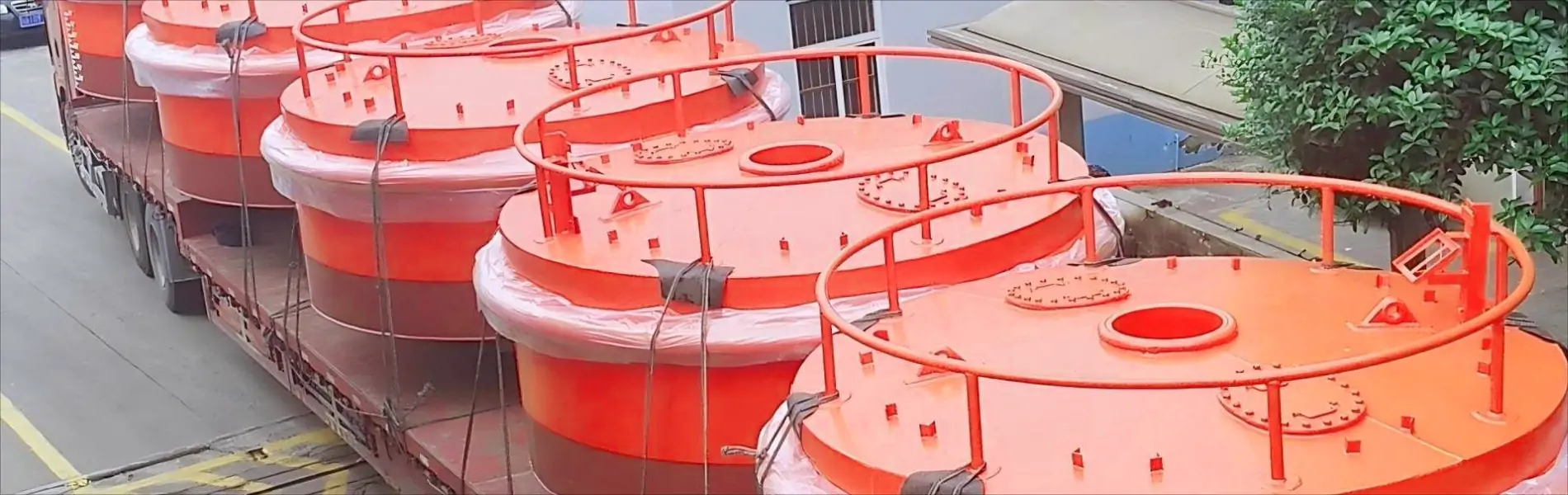
Steel Mooring Buoys Description

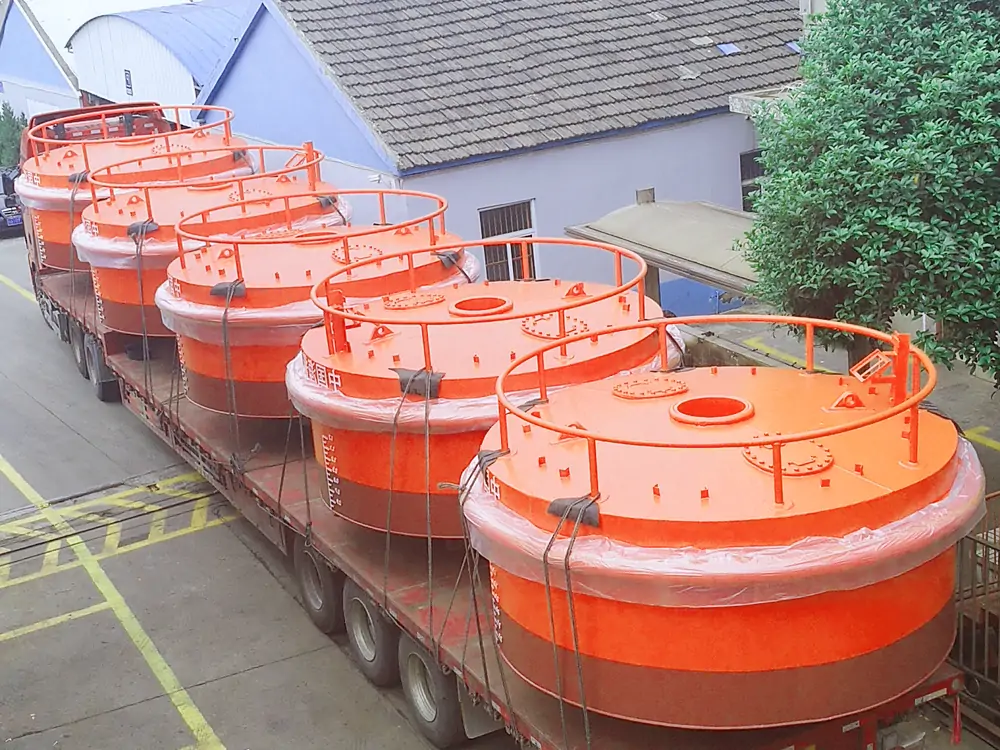
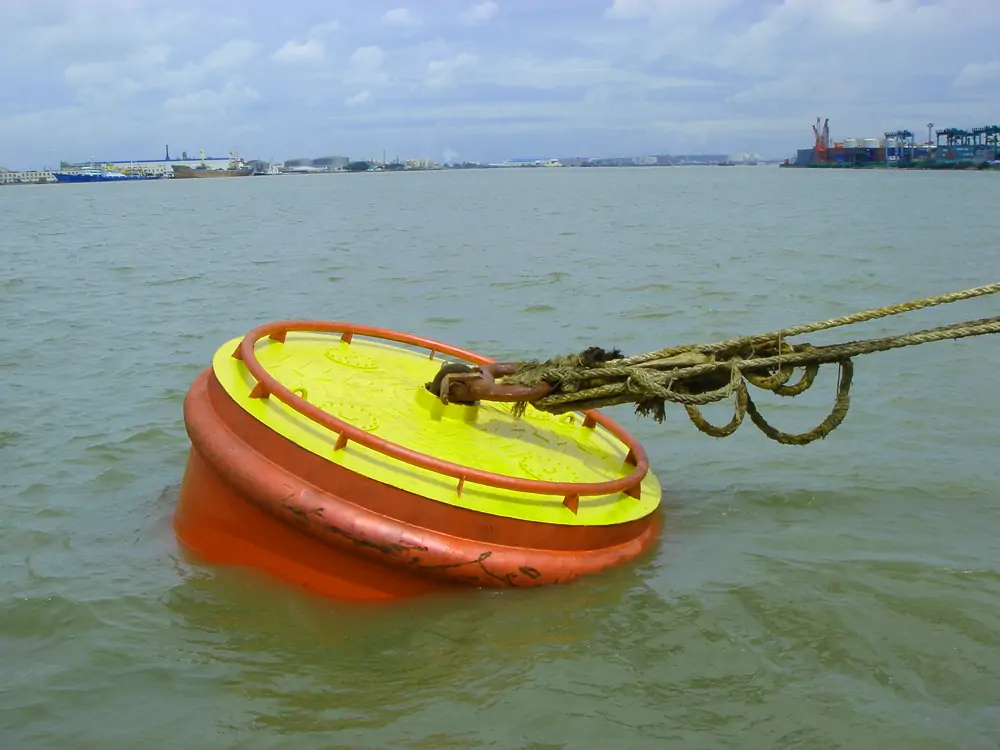
Jerryborg offers a wide variety of mooring buoys. These buoys can provide additional docking space by anchoring a vessel or watercraft in the middle of the water or near a dock. They can keep a vessel safely anchored and prevent it from drifting. They can also provide transient vessels with a place to dock in an adjacent harbor when they are not eligible for docking at a marina. Jerryborg mooring buoys are compliant with all industry regulations and Coast Guard requirements.
Contact Us
Steel Mooring Buoys Description

Steel Mooring Buoys Features

special-Steel-Mooring-Buoys
  • Stable and Reliable: Stays steady in rough waters, keeping everything secure.
  • Long-Lasting: Made from strong materials, built to last for years.
  • Easy to Set Up and Take Care of: It is quick to install and simple to maintain, saving time and effort.
  • Safe to Use: Designed with safety in mind, it works well in any marine environment.
  • Environmentally Friendly: Made with eco-friendly materials, helping protect the ocean.
  • Strong Wind Resistance: Handles high winds without tipping, keeping it steady in bad weather.
  • Affordable and Practical: A good value choice that gets the job done without high costs.
Get A Quote

Steel Mooring Buoys Construction

Outer Shell: The outside is thick steel, covered with a special coating to prevent rust in seawater.

Foam Core: Inside, foam keeps the buoy floating even if the outer shell is damaged.

Attachment Points: Strong points on the top and bottom for connecting anchor chains keep the buoy in place.

Weight at the Bottom: Some buoys have weight at the bottom to help them stand upright in strong currents or winds.

Lifting Points: These are for easy handling, so the buoy can be moved with cranes.

Reflectors or Lights: Often added for visibility at night or in foggy weather, making the buoy easy to spot.

Contact Us

Classification of Steel Mooring Buoy

Jerryborg Marine offers a wide variety of steel mooring buoys in different types and shapes. Classified by type, our steel mooring buoys can be categorized as chain through type, quick-release hook, spherical, and anchor buoys. Classified by shape, our steel mooring buoys can be categorized as cylindrical, pendant-shaped, and top-shaped. Different types and shapes of steel mooring buoys have different characteristics, structures, applicable sea states, and usage scenarios. A brief introduction and specific parameters for each category will follow. The two tables below provide a clear overview of the overall differences between the various types and shapes of steel mooring buoys.

Get A Quote

TYPE CORE ADVANTAGES SUITABLE SEA CONDITIONS STRUCTURAL FEATURES USAGE EXAMPLES
Mooring buoy Strong resistance to unidirectional tensile force Moderate sea state Force is applied through an internal central shaft Vessels are moored at fixed points for extended periods
Chain Through Mooring Buoy Free and smooth angle adjustment Dynamic sea state The chain runs through the structure Tidal changes and force direction changes are frequent
Quick Release Hook Mooring Buoy Quick unwinding and safe release Port berthing With quick release device Vessels arrive at port → unmooring and unloading → departure from port
Spherical Buoy High buoyancy and uniform stress distribution Suitable for varying sea conditions Spherical structure, 360° stress distribution Use for navigation markings, positioning, and warning signs
Anchor Buoy Strong marking and positioning capabilities Suitable for normal sea conditions Fixed point marking structure Marks anchor point location and anchor chain direction indication

SHAPE ADVANTAGES SUITABLE FOR USE
Cylindrical Stable, traditional, linear force distribution Standard and steady mooring
Pendant Energy absorption, smooth transition Areas with waves, current changes, or frequent motion
Gyro Anti-rotation Waters with swirling currents or side forces

1. Mooring Buoy

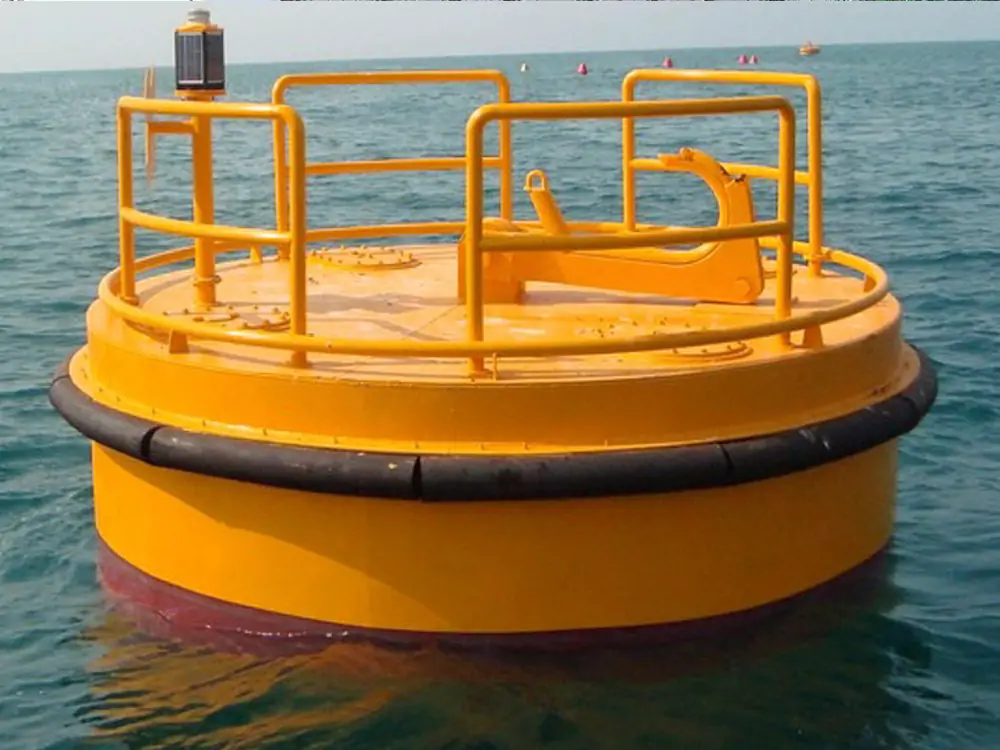
The mooring buoy is the most common and prevalent type of steel mooring buoy. As the name suggests, it has a sturdy central axis as its core support. The center axis structure is very stable, making it ideal for long-term fixed mooring locations. Mooring buoys are further divided into three types: cylindrical, pendant, and gyro-shaped. Each type has its own characteristics; below are introductions, images, and specific parameters for these three types.

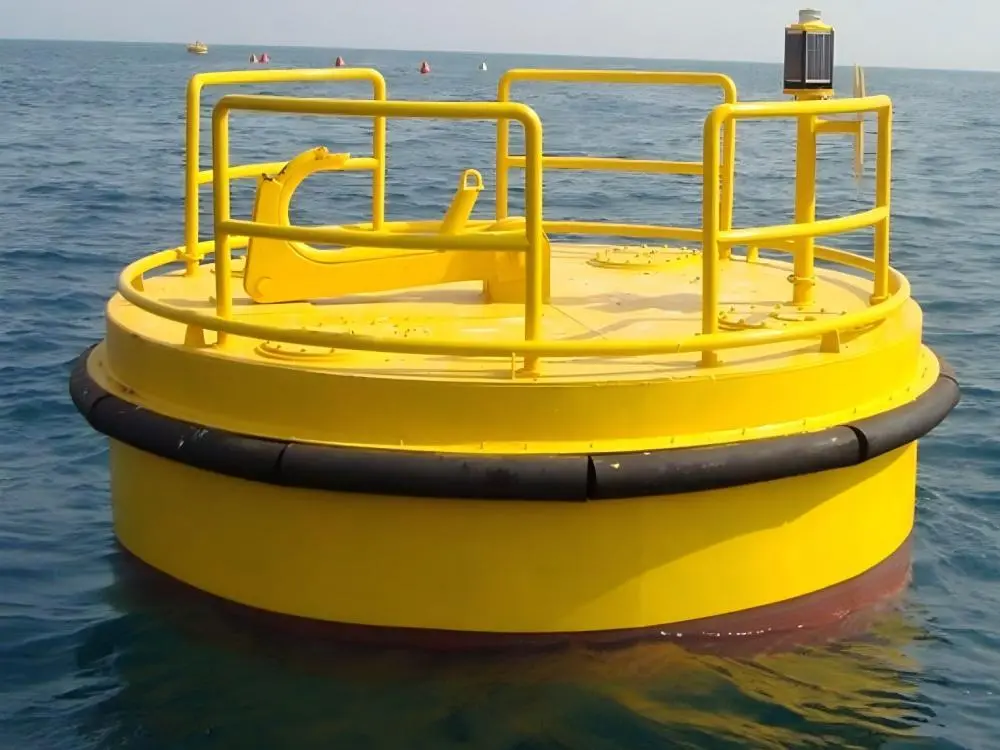
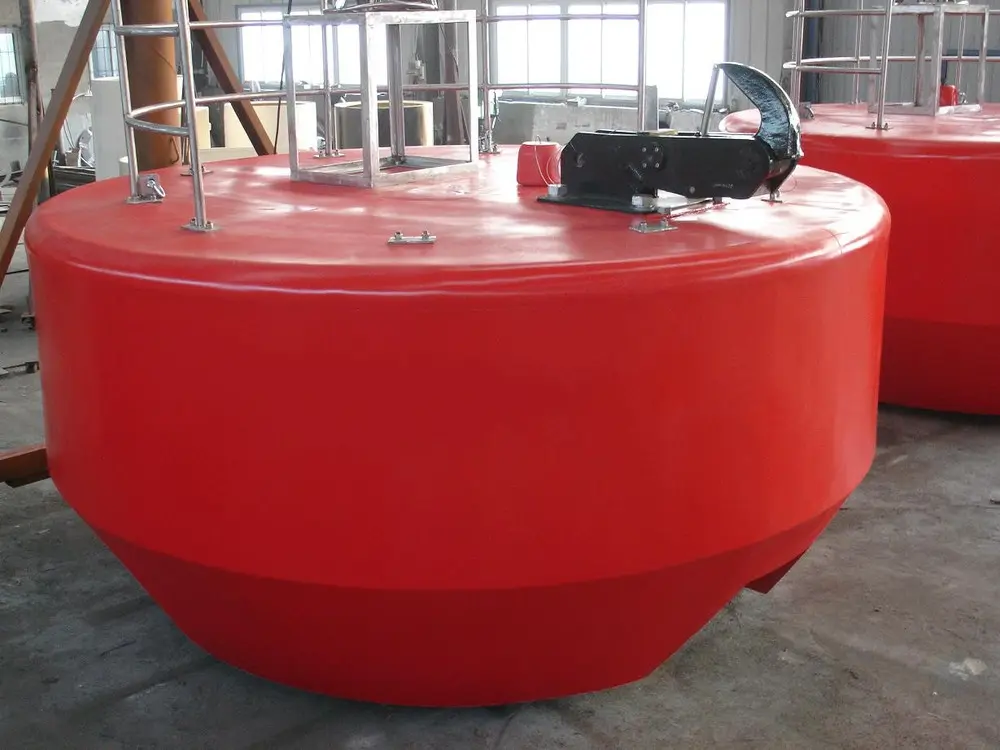
(1)Cylindrical Mooring buoy

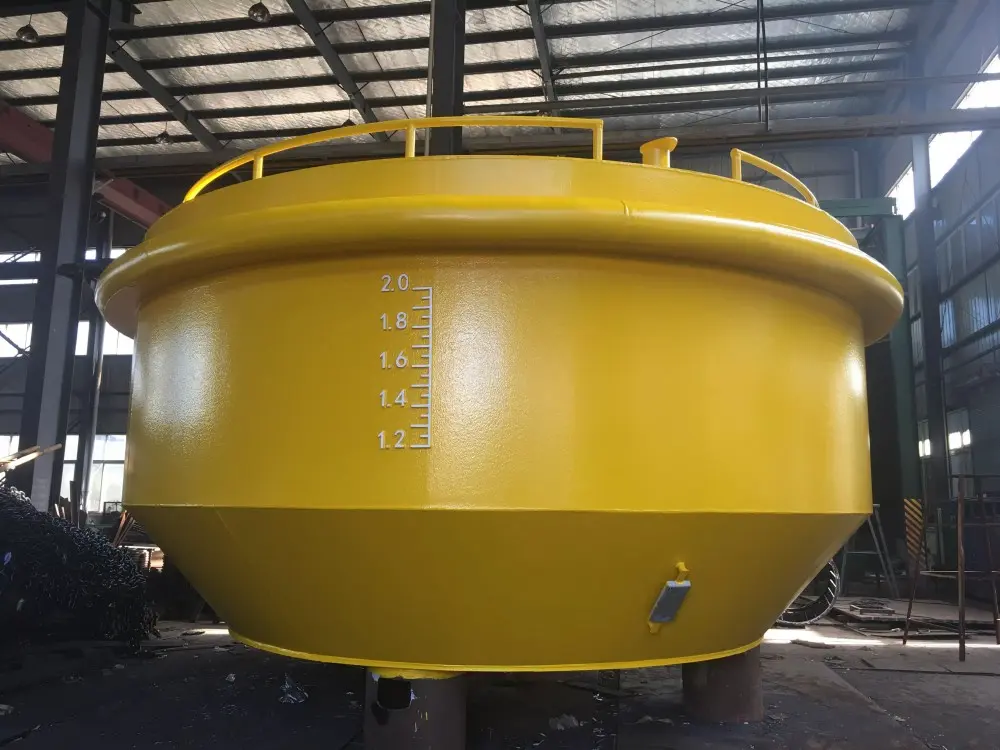
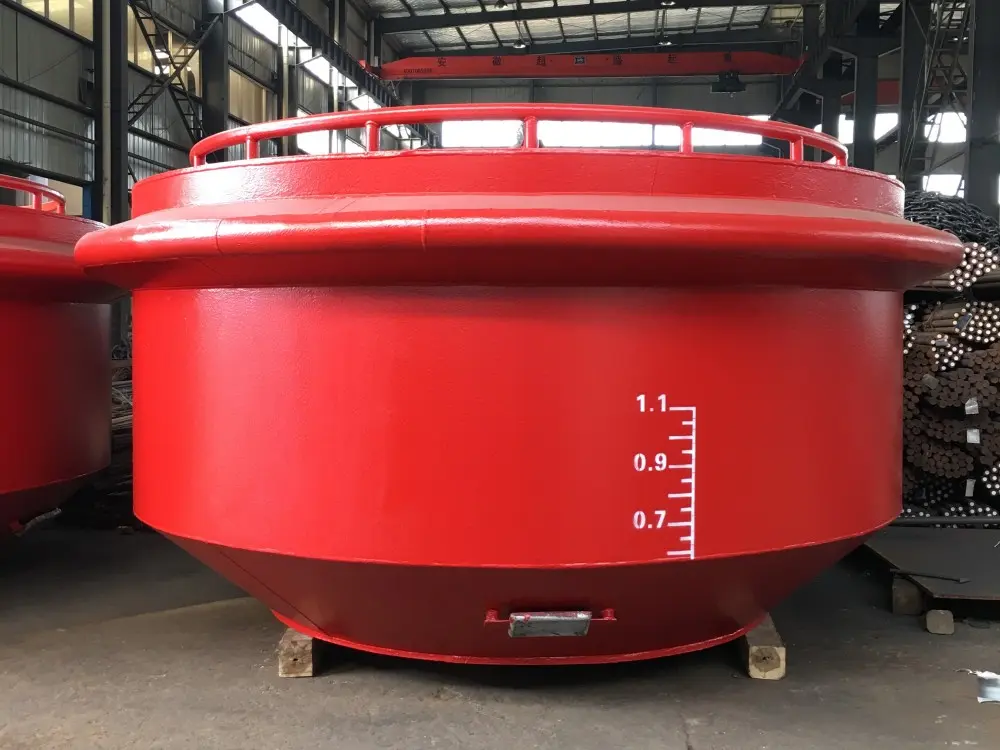
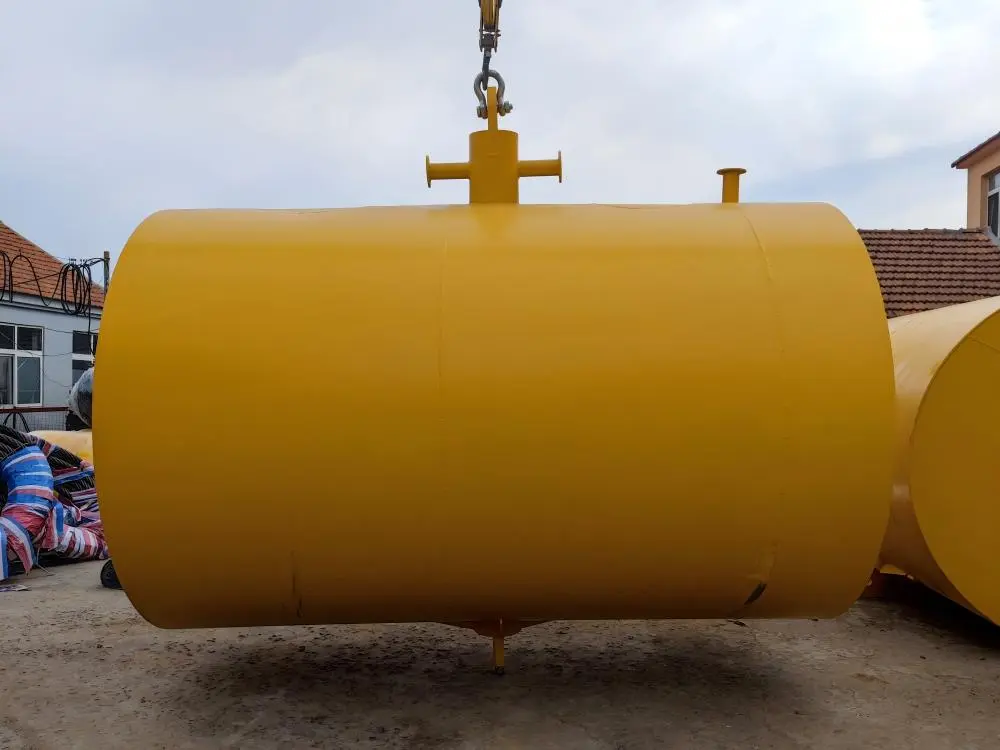
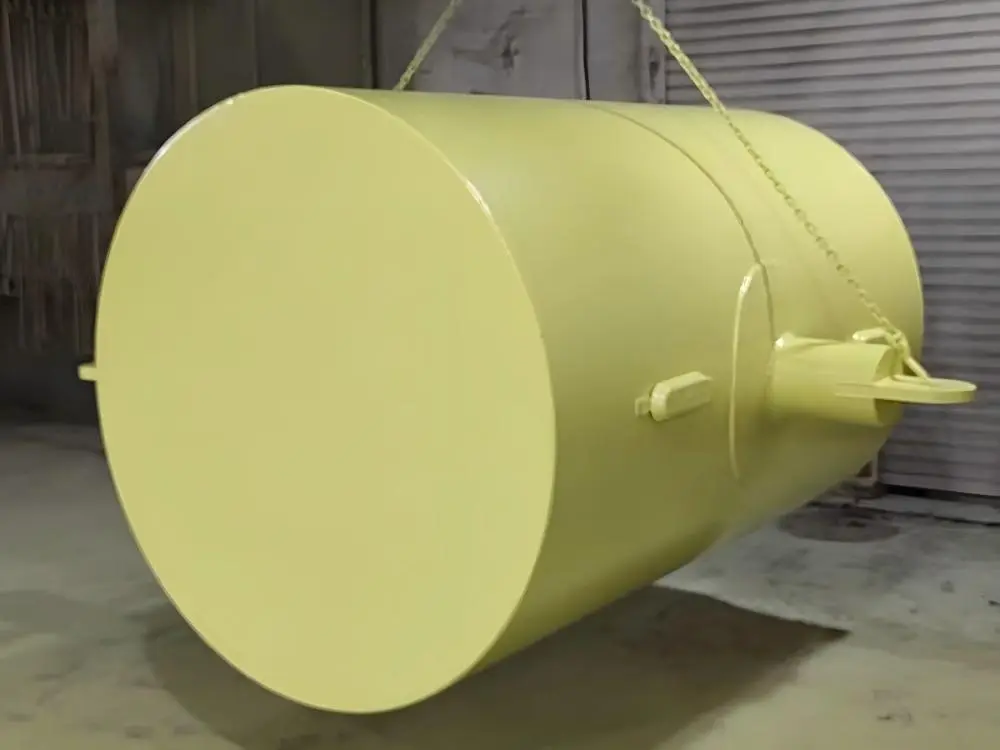
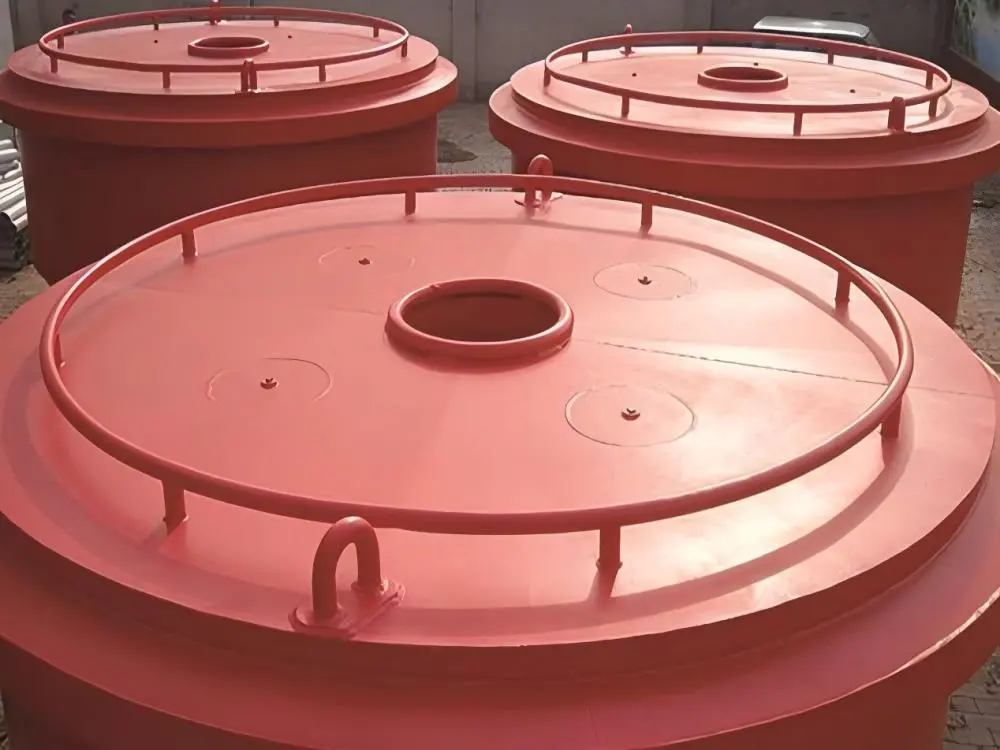
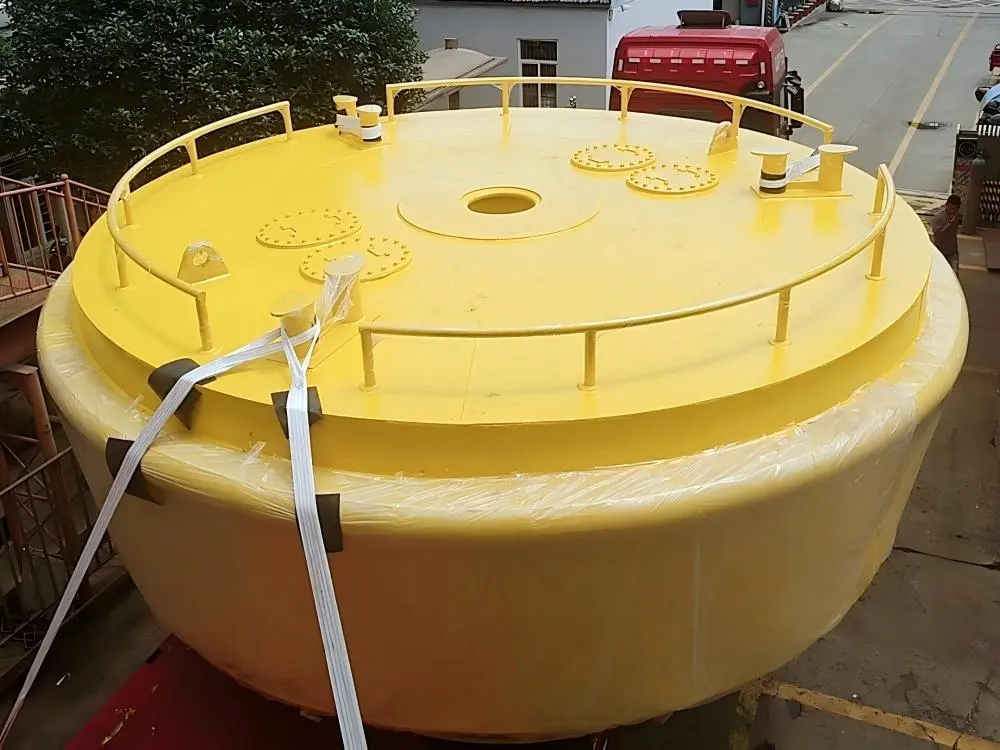
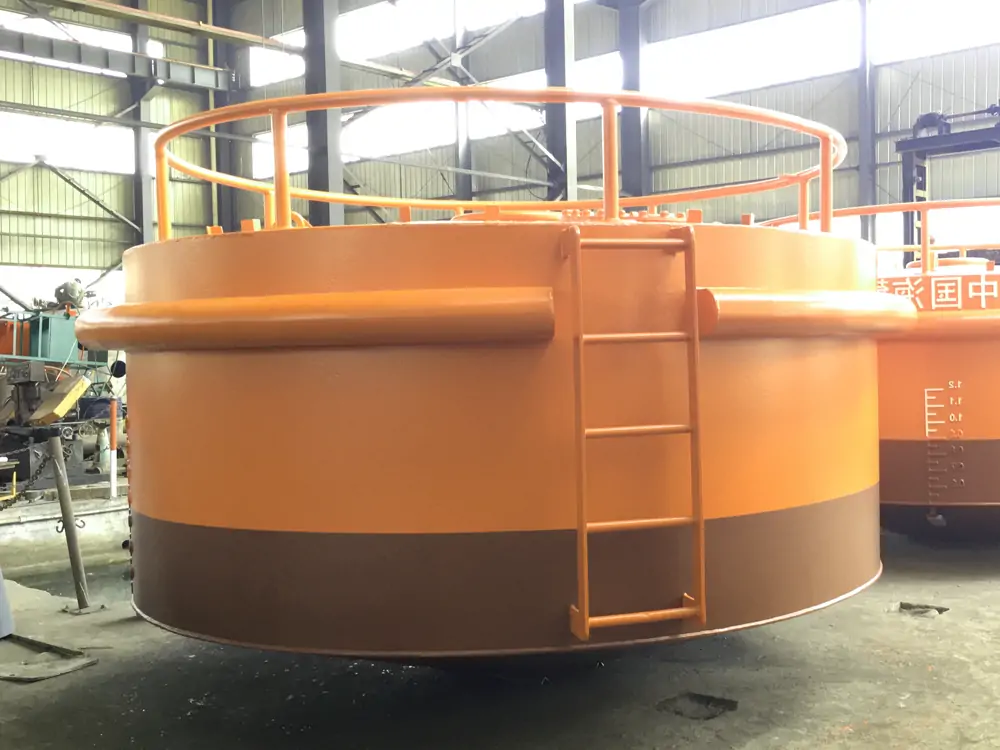
Cylindrical buoys are a common shape for central shaft buoys. Cylindrical mooring buoys are generally large and have a high load-bearing capacity. They are suitable for locations where the ship’s forces are relatively fixed in place. In standardized mooring situations without special requirements, the cylindrical mooring buoy is a good choice.

yellow-Cylindrical-Mooring-buoy
red-Cylindrical-Mooring-buoy

TYPE BUOYANCY
(WITHOUT CHAIN) (T)
DIAMETER X
HEIGHT (M)
CHAIN
DIAMETER (MM)
LIFTING EYE
(MM)
RECOMMEND
SINKER (T)
MOORING
SHACKLE (MM)
SUITABLE FOR SHIP
TONNAGE (T)
SMB2.0-D1 3 Φ2.0×1.74 Φ62 Φ45 4 Φ90 <2000
SMB2.6-D1 6 Φ2.6×2.27 Φ70 Φ45 6 Φ90 <5000
SMB3.6-D1 19 Φ3.6×2.14 Φ90-122 Φ50 8 Φ140 <10000
SMB5.0-D1 28.5 Φ5.0×3.4 Φ122 Φ60 12 Φ140 <12000
SMB5.5-D1 31.2 Φ5.5×3.0 Φ122 – – – <100000
SMB6.0-D1 34.2 Φ6.0×3.2 Φ122 – – – <150000
SMB8.0-D1 40.3 Φ8.0×2.46 Φ122 Φ100 120 Φ170 <250000

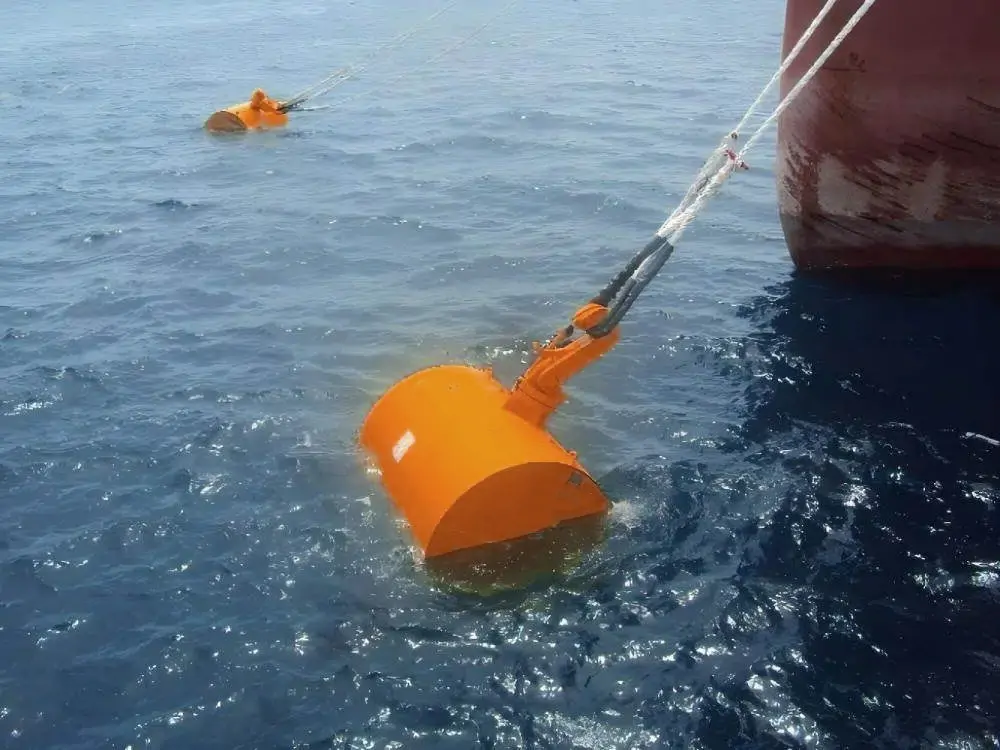
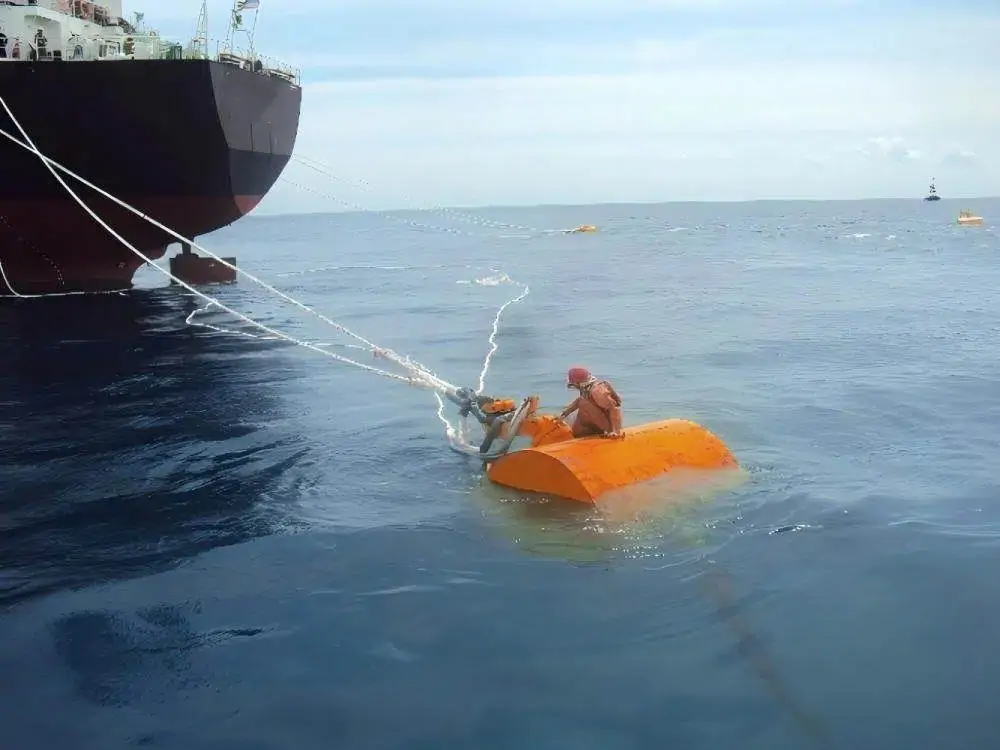
(2)Pendant Mooring Buoy

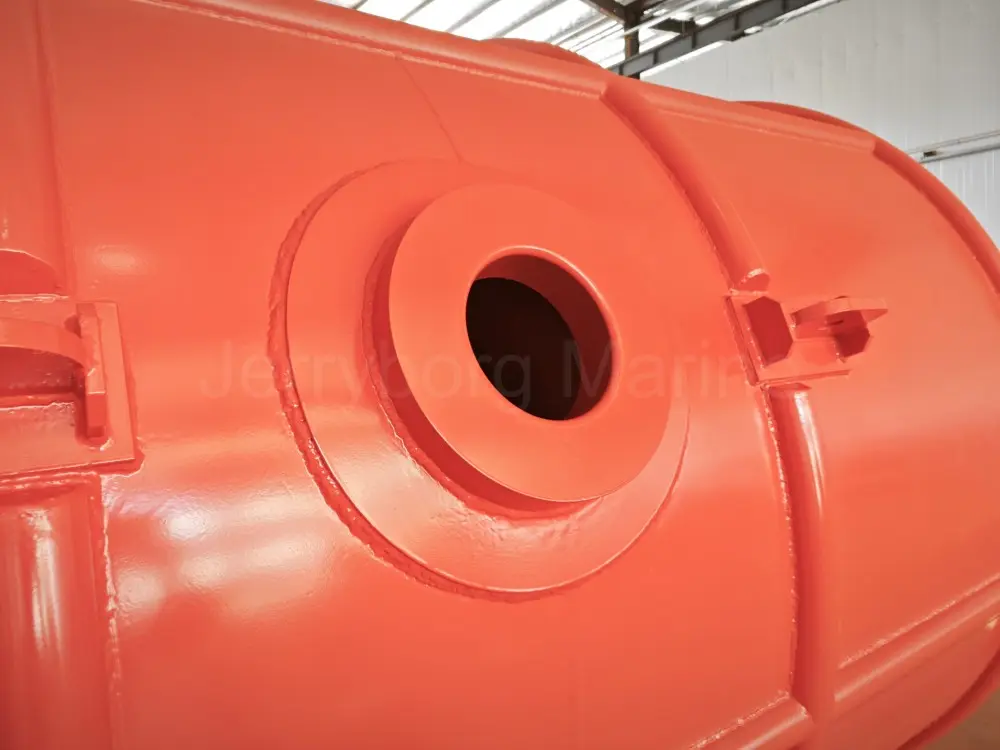
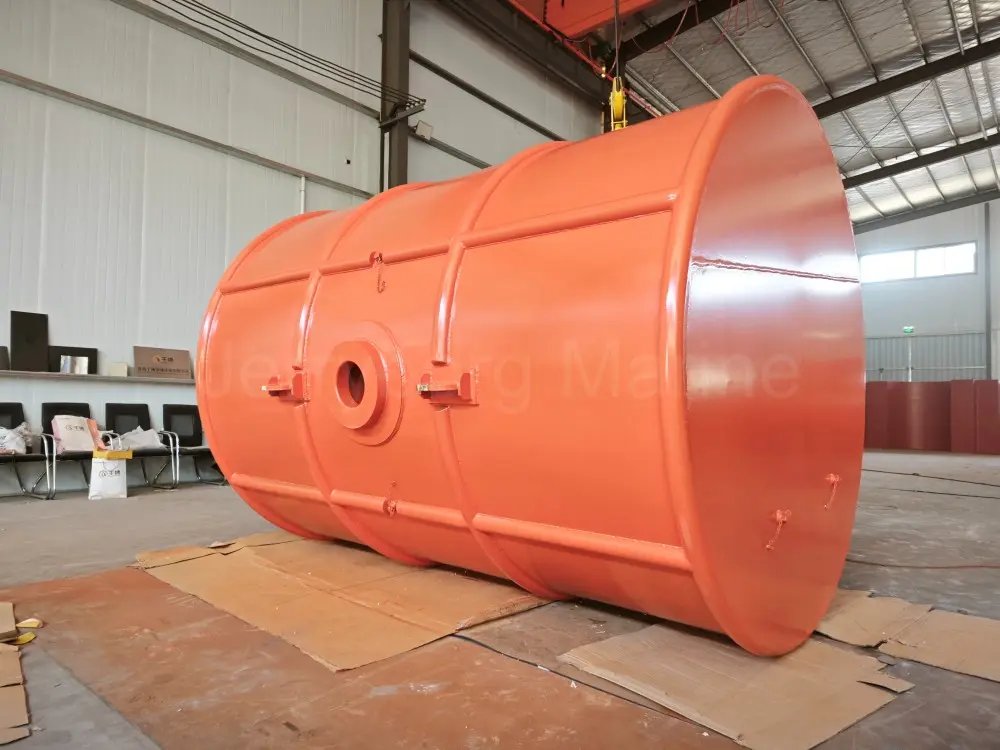
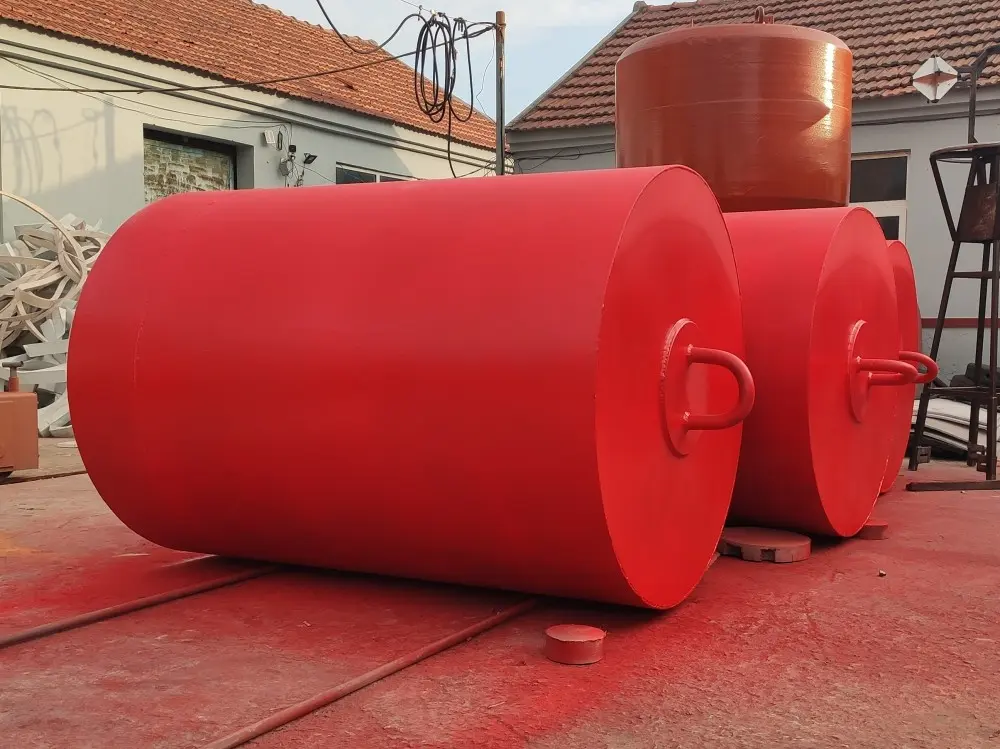
The pendant mooring buoy has a central axis inside, which can stabilize the buoy’s overall structure. The pendant-type buoy floats horizontally in the water, like a lying cylinder, and can sway slightly with the current. This characteristic reduces the impact of waves or currents. Therefore, the central-axis type pendant buoy is suitable for sea conditions where the direction of the force changes slightly.

Pendant-Mooring-Buoy

BUOY
TYPE
BUOYANCY NET IN
KG
WORKING LOAD IN
TONS
DIAMETER IN
M
BUOY LENGTH IN
M
HEIGHT OVERALL IN
M
BUOY WEIGHT IN
KG
PB 25 2,500 68 1.4 2.1 2.2 583
PB 50 5,000 68 1.7 2.6 2.5 898
PB 75 7,500 68 1.9 2.9 2.7 1,185
PB 100 10,000 68 2.1 3.2 3.1 1,550
PB 150 15,000 68 2.4 3.6 3.4 2,070
PB 200 20,000 91 2.7 4.0 3.7 2,669
PB 250 25,000 91 2.9 4.3 3.9 3,203
PB 300 30,000 91 3.0 4.5 4.1 3,678
PB 350 35,000 114 3.2 4.8 4.3 4,142
PB 400 40,000 114 3.3 5.0 4.5 4,893

(3)Gyro Mooring Buoy

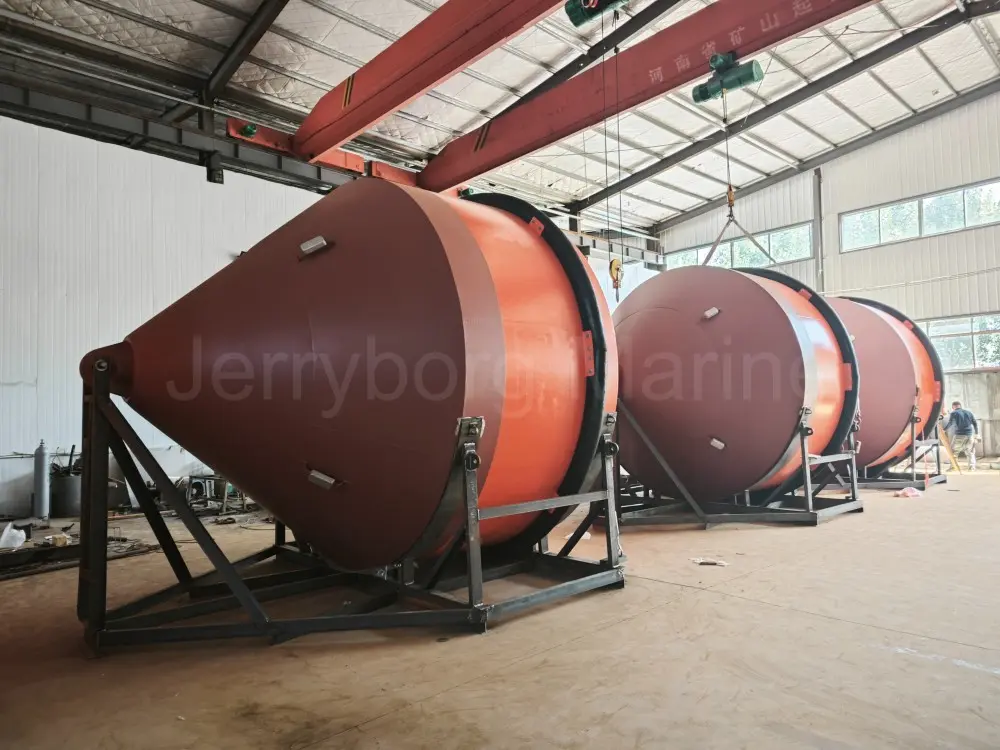
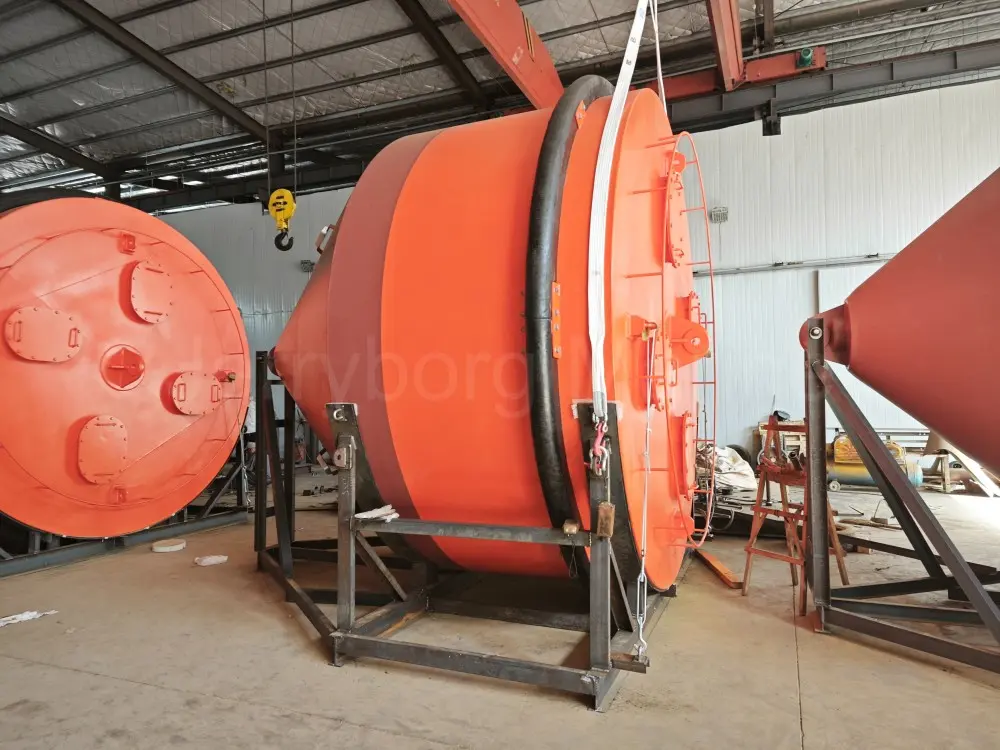
The gyro-shaped buoy, as its name suggests, is wide at the top and narrow at the bottom, resembling a spinning top. Because a top can rotate, the gyro-shaped buoy has strong anti-rotation capabilities. This characteristic allows it to maintain stability even in areas with eddies or cross-currents. In complex sea conditions, the likelihood of eddies and currents from different directions is higher. Therefore, the gyro-shaped buoy is suitable for use in complex sea conditions.

Get A Quote
Gyro-Mooring-Buoy
Jerryborg-Gyro-Mooring-Buoy

2. Chain Through Mooring Buoy

A chain through a mooring buoy has a hole in the center of the buoy. Ropes or chains can pass through this hole. This design allows the buoy to adapt to changes in the direction of tension and distributes the force more evenly. In areas with large tidal variations, vessels move frequently with the tides. In this dynamic situation, a through-type mooring buoy is an excellent mooring choice.

(1)Chain-through Type Cylindrical Mooring Buoy

Chain-through type cylindrical mooring buoys are larger in size, offer greater stability, and have a central opening for anchor chains and ropes to pass through, making them more adaptable to water currents. Their installation and subsequent maintenance are also relatively convenient, which is why many ship systems frequently choose a chain through cylindrical mooring buoys.

Get A Quote
Jerryborg-Cylindrical-Mooring-Buoy

(2)Chain-through Type Pendant Mooring Buoy

The chain-through type pendant mooring buoy lies horizontally in the water, with a hole in the middle through which a chain can pass. This design allows the mooring buoy to sway slightly with the current to adjust its position and also to freely adjust its angle along the chain. The chain-through type design distributes tension evenly, reducing wear on the buoy.

Pendant-Mooring-Buoy

BUOYANCY SIZE WEIGHT
500KG 820 x 1020mm 328
1Ton 1060 x 1500mm 700
2Ton 1400 x 1900mm 1200
3Ton 1500 x 2300mm 1430
6Ton 2100 x 2400mm 2300
8Ton 2030 x 3150mm 2600
10Ton 2200 x 3900mm 3290

3. Quick Release Hook Mooring Buoy

QRH mooring buoy stands for Quick Release Hook Mooring Buoy. These buoys feature a quick-release hook. This design allows vessels to quickly attach and detach mooring lines, making berthing very convenient and efficient. In addition, QRH mooring buoys are more robust and better able to withstand impacts during port operations.QRH mooring buoys can be divided into cylindrical type and pendant type.

(1)Quick Release Hook Cylindrical Mooring Buoy

The Quick Release Hook cylindrical mooring buoy has a regular shape and a quick-release design, making it less likely to jam chains or cables during use. It is suitable for most routine berthing operations.

Get A Quote
QRH-type-cylindrical-mooring-buoy
Jerryborg-QRH-type-cylindrical-mooring-buoy

(2)Quick Release Hook Pendant Mooring Buoy

The Quick Release Hook pendant mooring buoy is placed horizontally in the water and features a quick-release mechanism, ensuring a very smooth release of the rope. The pendant mooring buoy can also adapt to frequent changes in the vessel’s angle, improving the safety and efficiency of berthing operations.

Get A Quote
jerryborg-QRH-type-Pendant-Mooring-Buoy

(3)Selection of Quick Release Hook

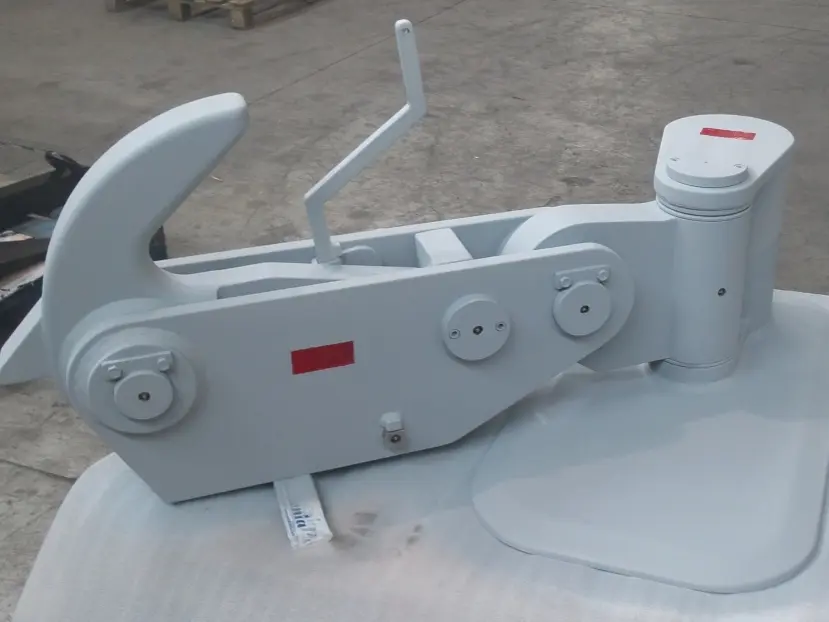
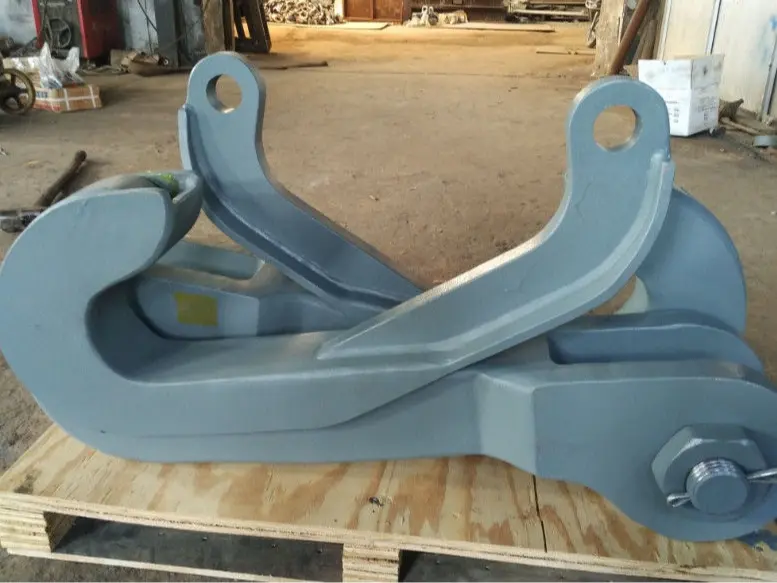
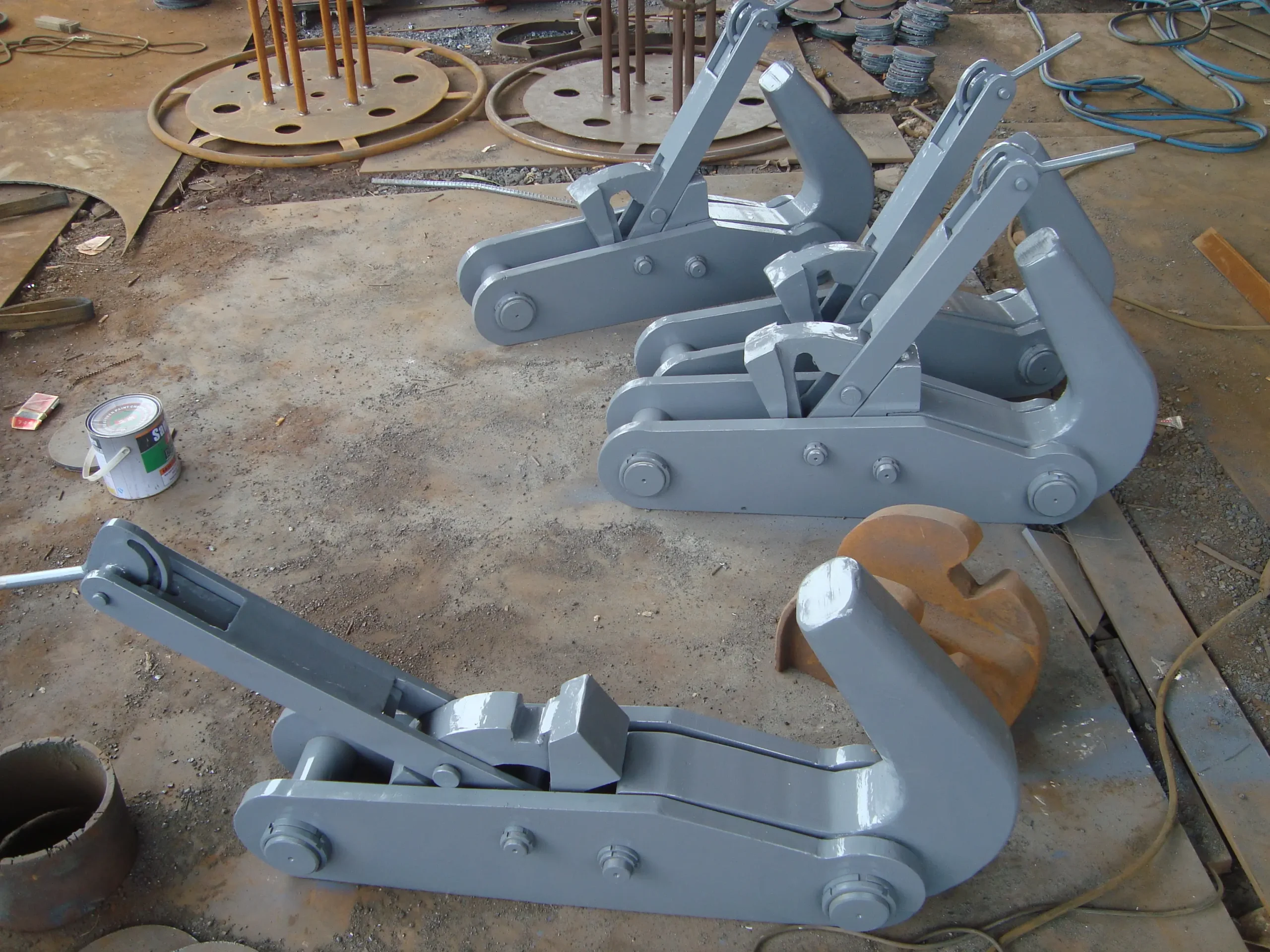
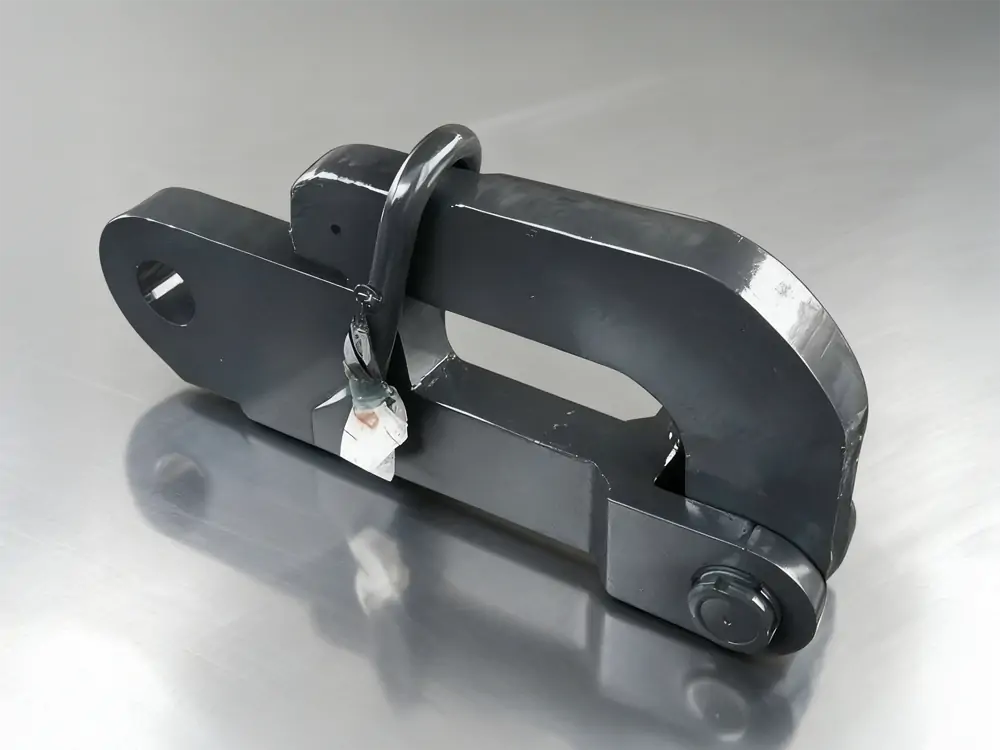
Our Quick Release Hook mooring buoys also come in four different models for quick unhooking: Quick Release Hook-A, Quick Release Hook-B, Quick Release Hook-C, and Quick Release Hook-D. Each model offers varying adaptability to different pulling forces, berthing conditions, and vessel tonnage. To enhance safety and ease of operation for mooring buoys during mooring and release operations, Jerryborg Marine will recommend the most suitable release model based on the customer’s specific requirements and circumstances.

Get A Quote
QRH-A

Quick Release Hook-A

QRH-B

Quick Release Hook-B

QRH-C

Quick Release Hook-C

QRH-D

Quick Release Hook-D

4. Spherical Mooring Buoy

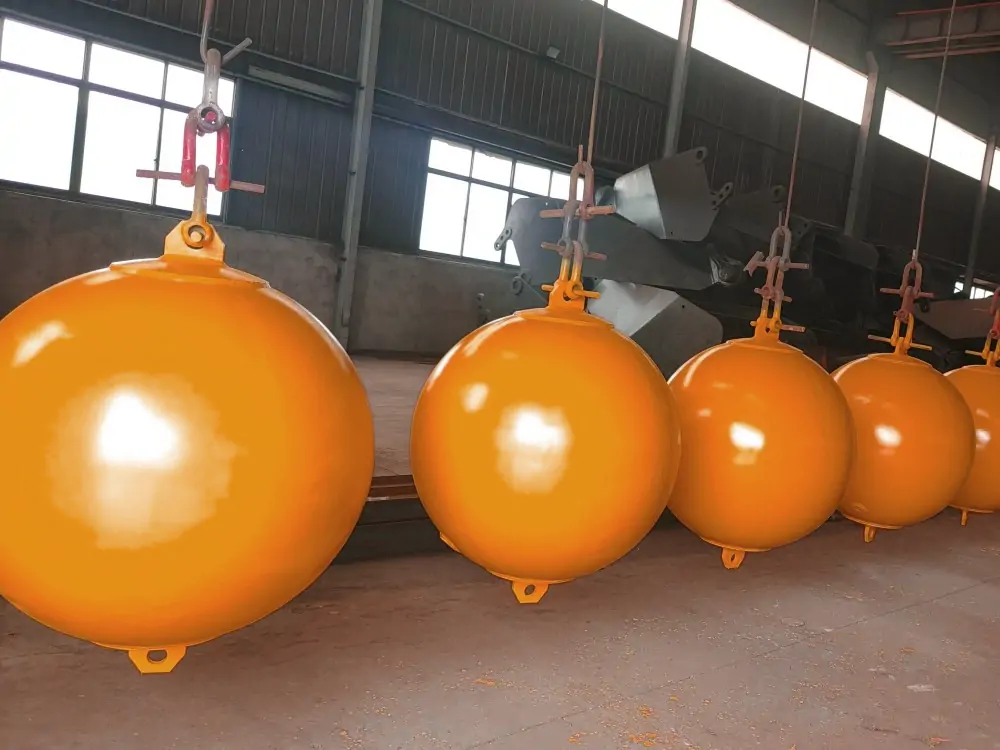
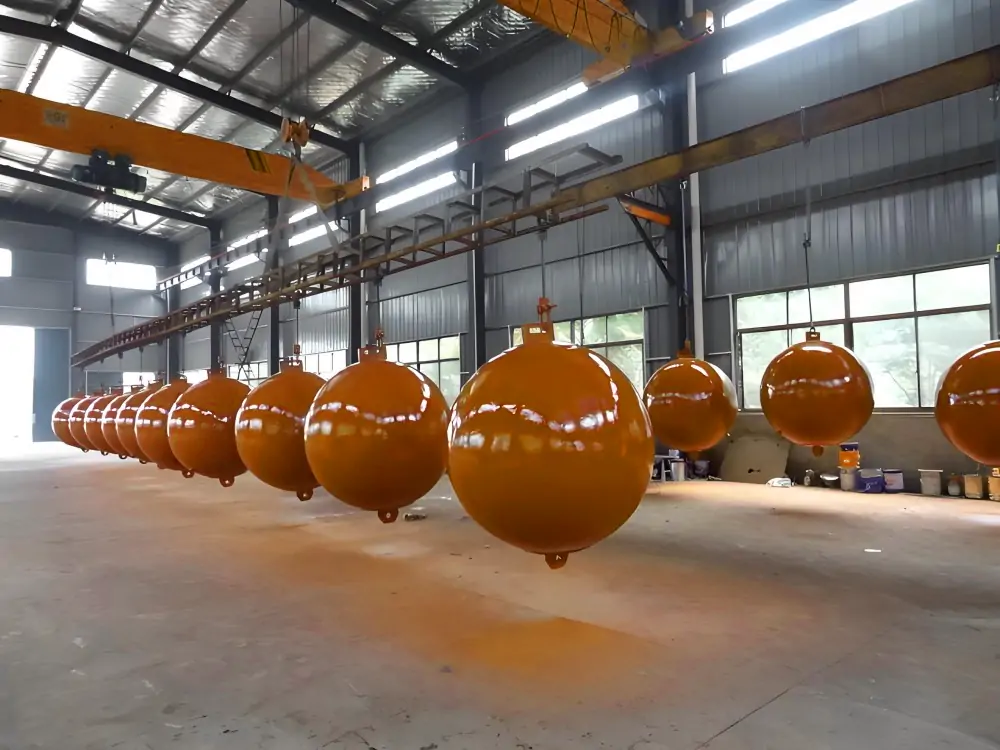
Spherical mooring buoys are simply spherical in shape. The advantage of this shape is its distributed force. Regardless of the direction of the water flow, it can withstand tension from any angle. It has no obvious limitation on the direction of force. Spherical mooring buoys are commonly used in waterways, warning areas, and places requiring positioning markings.

Get A Quote
jerryborg-Spherical-Mooring-Buoy
Specification Details
Volume 59 cu.ft.prox
Weight 675 Ibs.prox.
Displacement of seawater 3770 Ibs.Prox.
Net buoyancy 3000+Ibs.Prox.
Material 3/16” steel plate
Doubler 22” diameter top and bottom
Top pad eye 5”x11” with oblong eye 2”x8”
Bottom pad eye 5”×8” with 2” eye
Specification Details
Volume 59 cu.ft.prox.
Weight 1100 Ibs.Prox.
Net buoyancy 2600 Ibs.Prox.
Material 3/16” steel plate

5. Anchor Buoy

Anchor buoys are used to mark the location of underwater anchor points. They can be used in marine aquaculture, dock mooring systems, and floating work platforms. Jerryborg Marine can provide anchor buoys suitable for different water depths and stress requirements based on the customer’s specific needs. Customers can also customize the color of the anchor buoy and other accessories, such as steel lifting rings.

Get A Quote
Anchor-buoy-jerryborg
jerryborg-Anchor-buoy

Manufacturing Process of Steel Mooring Buoys

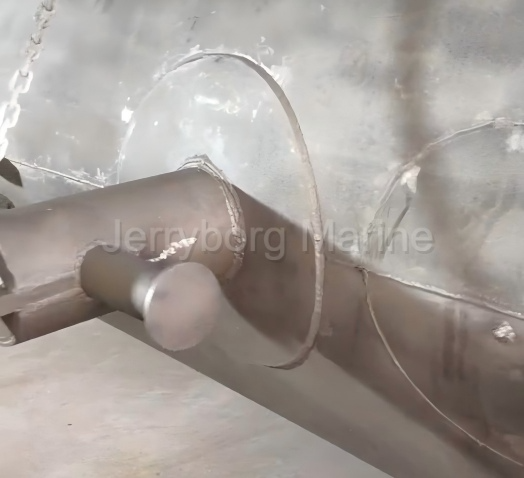
  1. Welding Assembly: First, weld the steel components together to form the basic buoy body.
  2. Airtightness Inspection: Conduct an airtightness test on the welded buoy body to ensure there are no leaks.
  3. Polyurethane Foam Filling: Fill the buoy with polyurethane foam.
  4. SA2.5 Sandblasting Finish: After removing rust, scale, and impurities from the buoy surface, sandblast the surface.
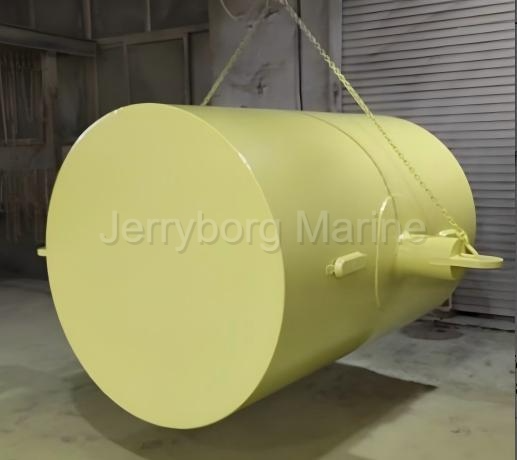
  5. Marine Anti-Corrosion Coating: Apply a marine-grade anti-corrosion coating to the surface of the buoys. This prevents the buoys from rusting.
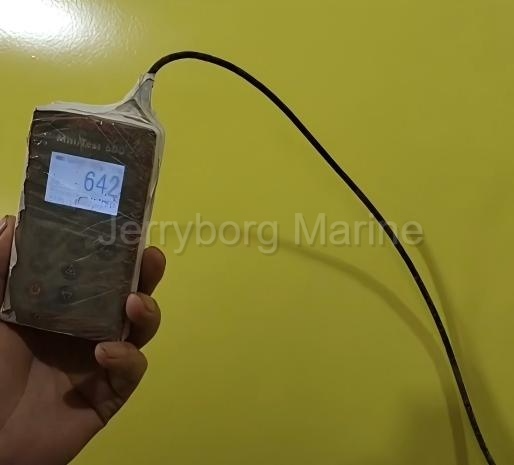
  6. Film Thickness Inspection: We measure the paint film thickness to ensure the buoy’s paint film thickness meets relevant standards.
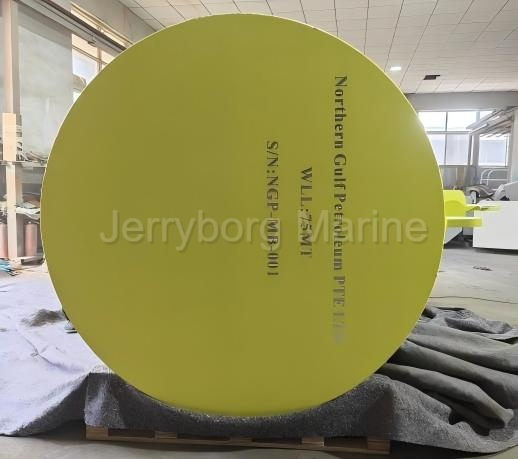
  7. Marking / Label Painting: We spray markings on the buoy surface, such as company name, model number, customer logo, load-bearing capacity, etc.
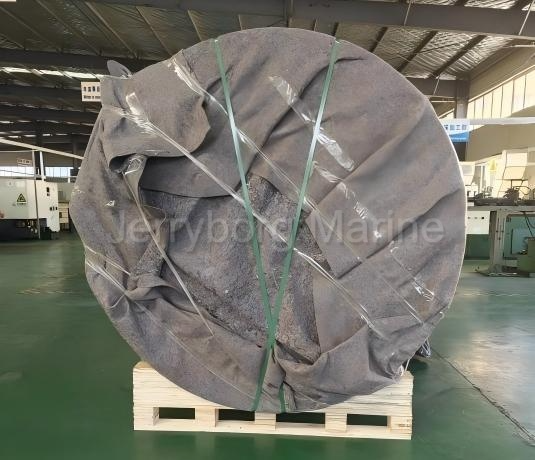
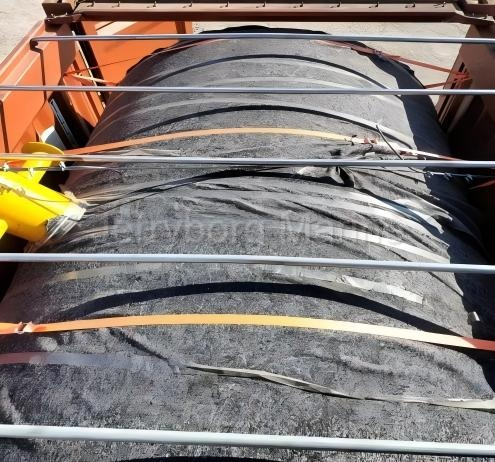
  8. Packaging: Cover the surface of the buoys with fabric and secure them to the pallet. This prevents the buoys from rolling and being scratched during transportation.
  9. Delivery: Deliver the buoys to the customer according to the agreed logistics method.

Welding assembly

1. Welding assembly

Airtightness inspection

2. Airtightness inspection

Polyurethane foam filling

3. Polyurethane foam filling

SA2.5 sand blasting finish

4. SA2.5 sand blasting finish

Marine rust preventing paint coating

5. Marine anti-corrosion coating

Film thickness inspect

6. Film thickness inspect

Mark painting

7. Mark painting

Packing

8. Packing

Delivery

9. Delivery

Inspection and Testing Quality Control

1. Welding Inspection

  • Visual Inspection: We first inspect the weld surface of the mooring buoy for cracks, porosity, and slag inclusions, as well as the smoothness of the transition between the weld and the base material.
  • Dimensional Tolerance Inspection: In addition to visual inspection, we also use a ruler to measure the width, height, and joint misalignment of the weld to ensure they meet the requirements.
2. Non-Destructive Testing (NDT)

  • Ultrasonic Testing (UT): Ultrasonic testing can detect incomplete weld penetration, cracks, and other defects.
  • Radiographic Inspection (RT): Radiographic inspection uses X-rays to examine the weld. We generally use radiographic inspection for welds in critical stress areas. This allows for efficient detection of internal defects in key areas.
  • Magnetic Particle Testing (MT): Magnetic particle testing is mainly used for surface crack detection. Magnetic powder is sprayed onto the surface of the buoy. If there is a crack on the buoy surface, the magnetic powder will accumulate at the crack, enabling the precise location of the crack.

3. Airtightness Testing

Buoys need to float at sea, so airtightness is very important. We will conduct gas or watertightness tests on the buoy. This allows us to check for leaks in the buoy’s welds and overall structure.

4. Performance Testing

  • Central Shaft Tensile Strength Test: We conduct a tensile strength test on the core shaft of the buoy. This test ensures that the buoy’s core shaft meets the customer’s required mooring load.
  • Load Capacity and Buoyancy Test: We test the buoy’s load capacity and buoyancy. This verifies whether the buoy’s stability, floating state, and safe buoyancy in water meet the customer’s requirements.
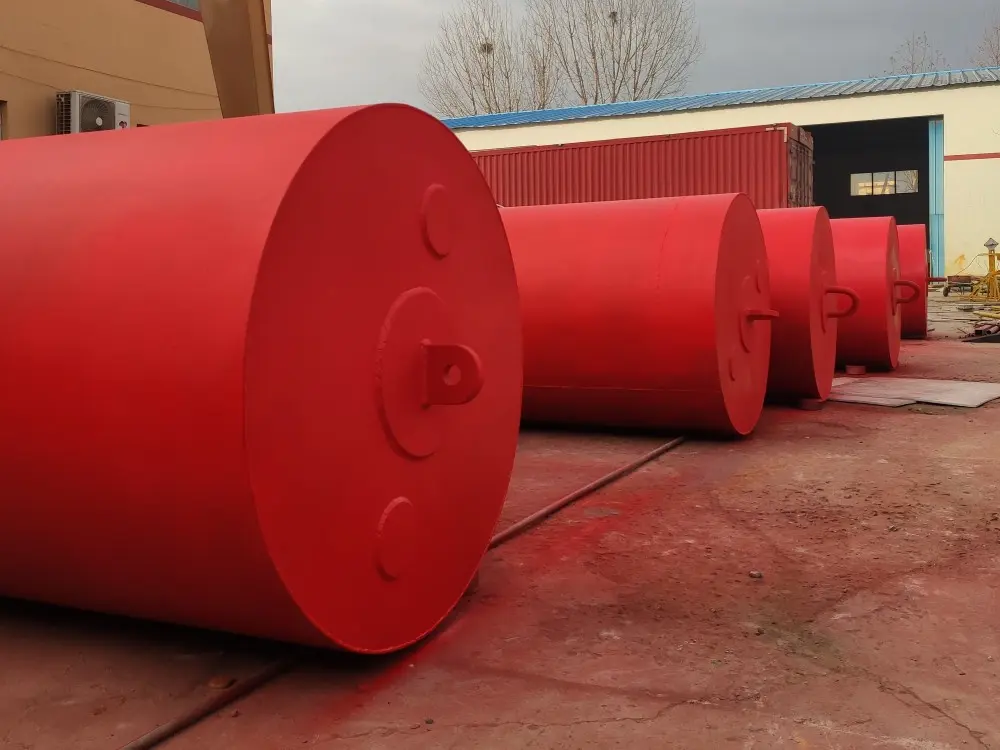
  • Salt Spray Corrosion Test: To test the buoy’s resistance to rust and corrosion in a real marine environment, we also conduct a salt spray test.
Get A Quote

Marine Accessories for Steel Mooring Buoys

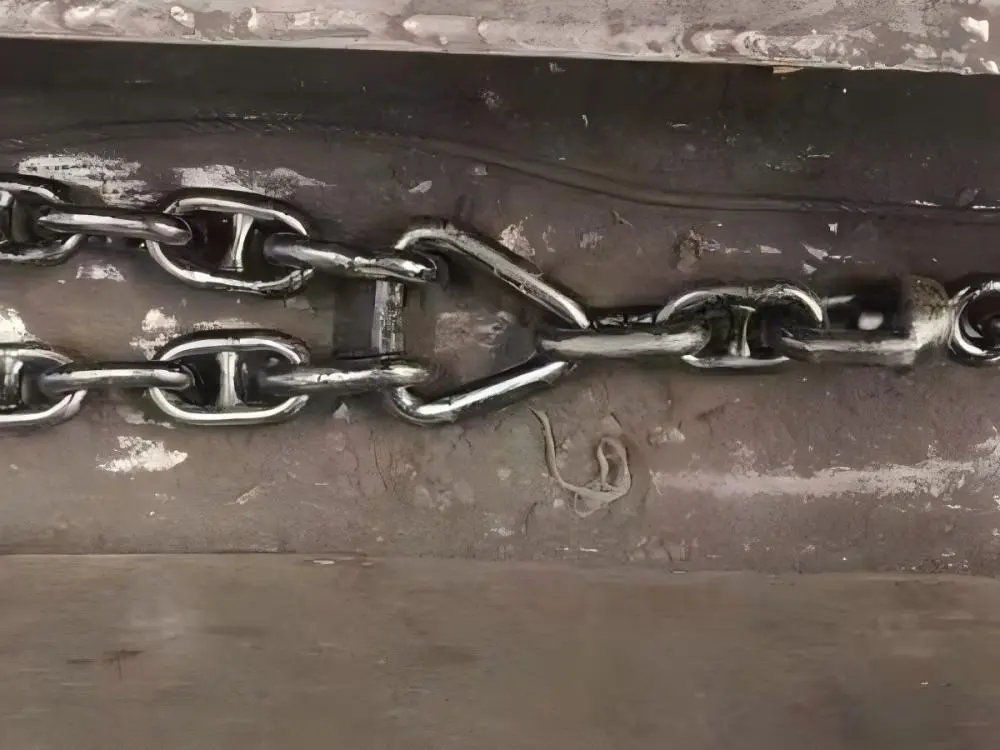
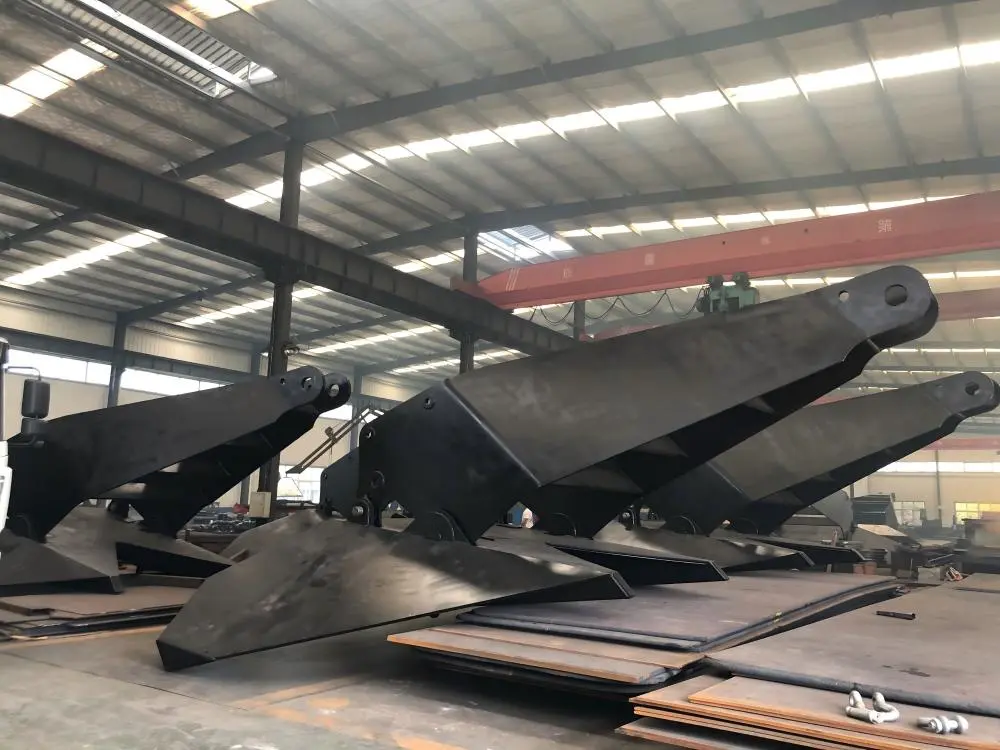
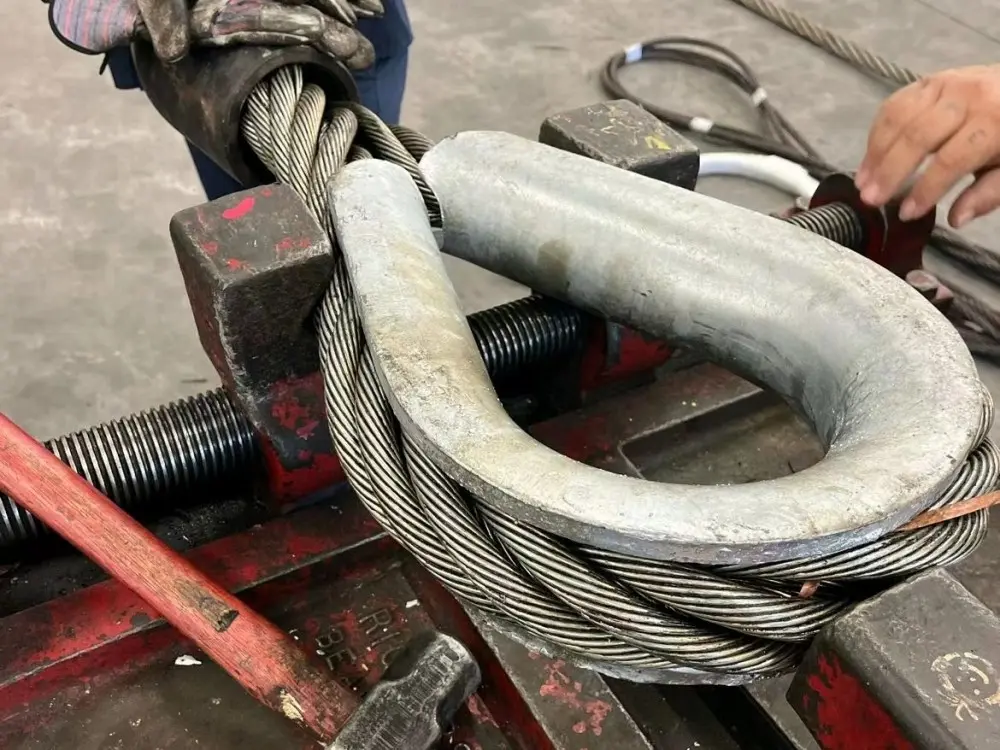
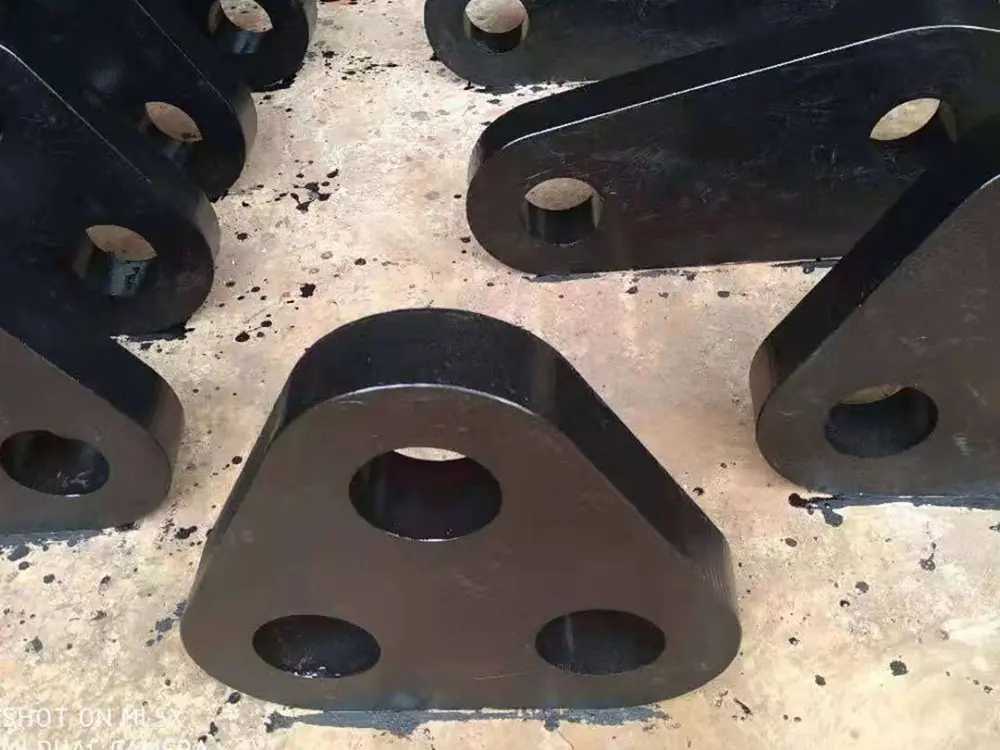
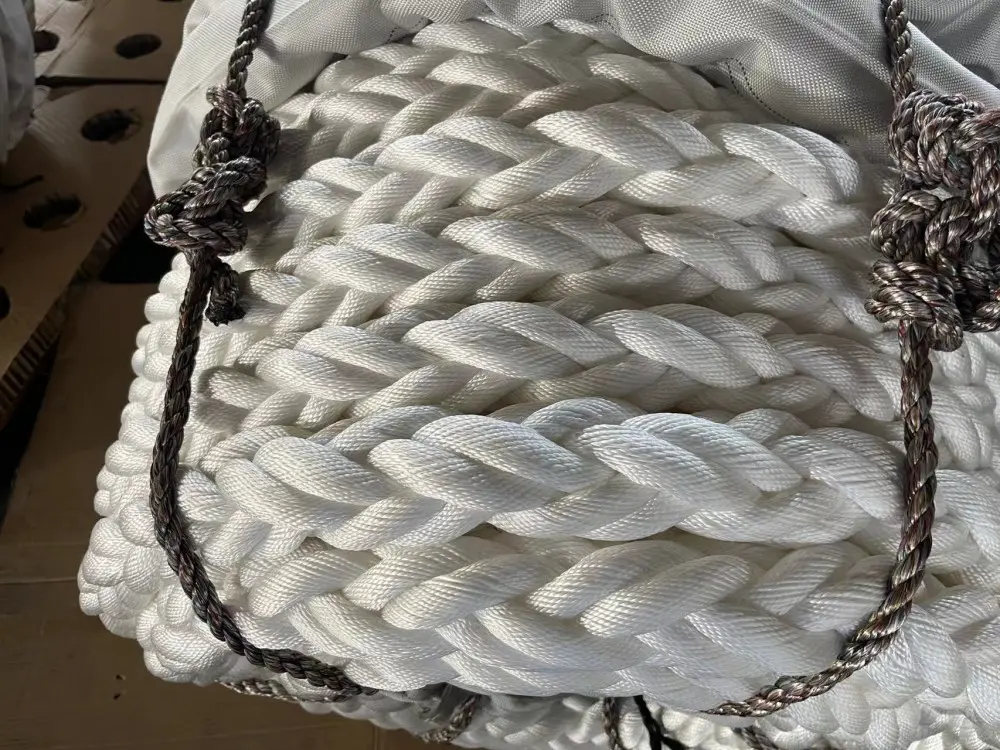
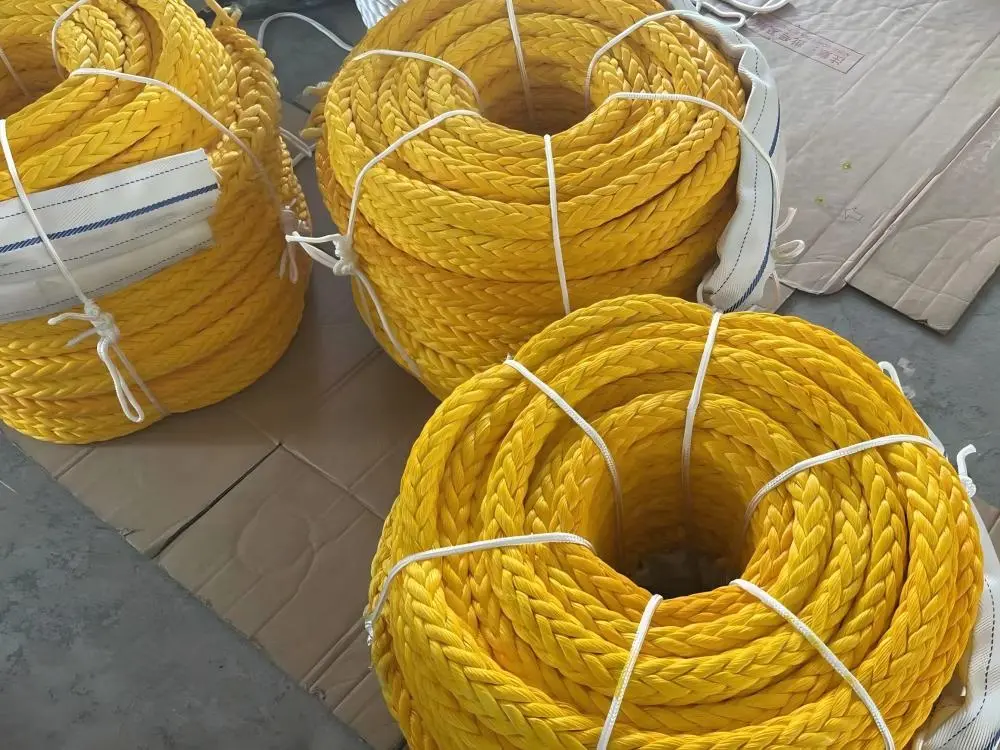
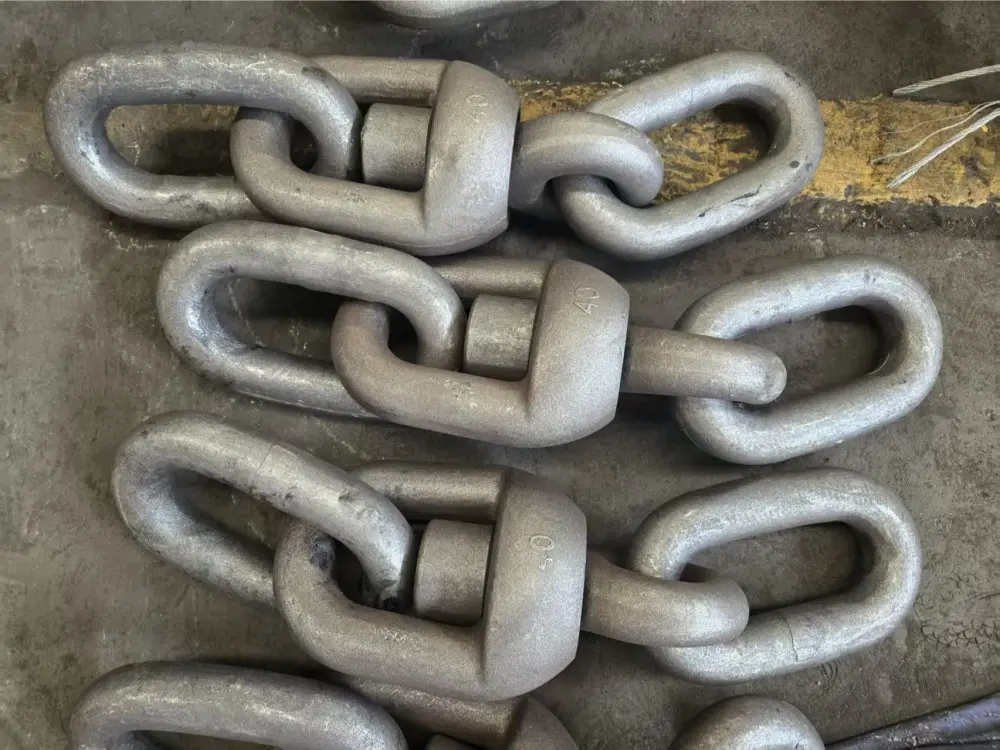
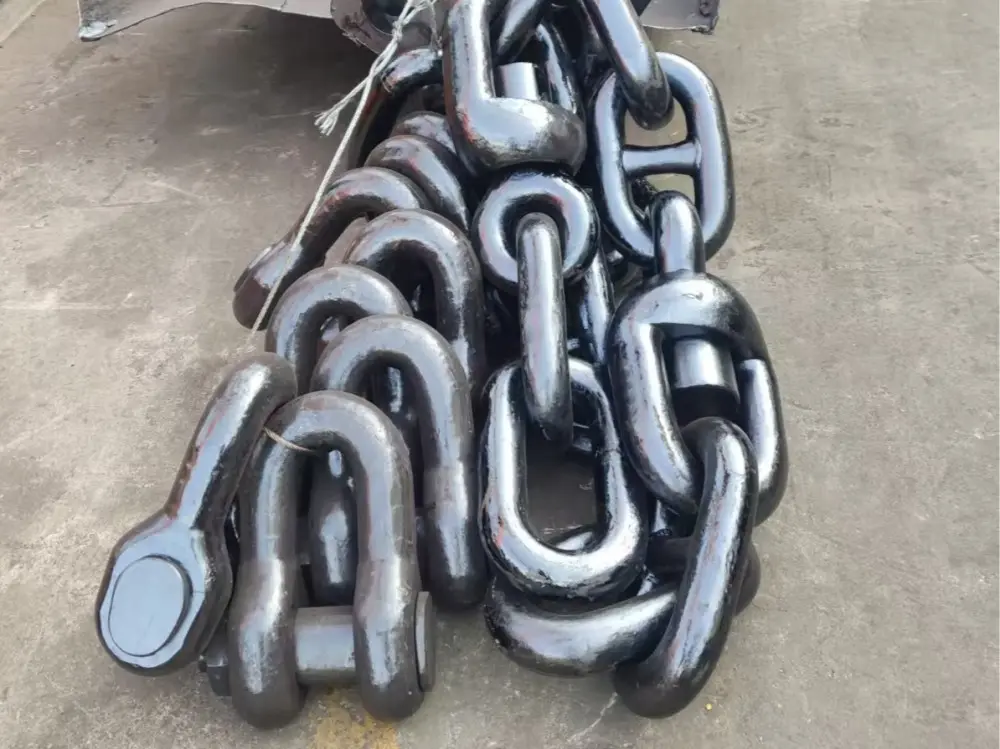
Jerryborg Marine not only manufactures various types and shapes of mooring buoys, but also offers a wide range of mooring-related accessories. Jerryborg Marine can supply anchor chains, wire ropes, triangular plates, circular rings, triangular rings, shackles, swivel rings, and different types of anchors (such as MK5, MK6, Delta). When selecting mooring buoys, please inform us of any standard or custom requirements for mooring accessories. We can also make recommendations based on your specific needs, including water depth, mooring buoy size, and application scenario. Jerryborg Marine prioritizes customer needs, and many clients choose to have us provide complete mooring systems. This eliminates concerns about interface or size compatibility issues when installing accessories and mooring buoys.

Swivel Ring

Swivel Ring

Shackle

Shackle

Anchor Chain

Anchor Chain

Triangular Ring

Triangular Ring

Anchor

Anchor

Wire Rope

Wire Rope

Three Eyes Pad

Three Eyes Pad

Mooring Rope

Mooring Rope

UHMWPE Rope

UHMWPE Rope

FAQs

The steel used for steel mooring buoys depends on the buoy size, structure, and load conditions. It also depends on the customer’s technical requirements.
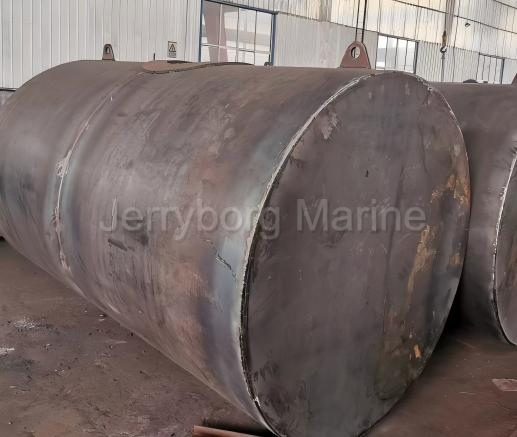
After the steel plates arrive at the factory, we cut, roll, assemble, and weld them. For projects with classification society requirements, the material and subsequent inspections are also carried out according to the project requirements.
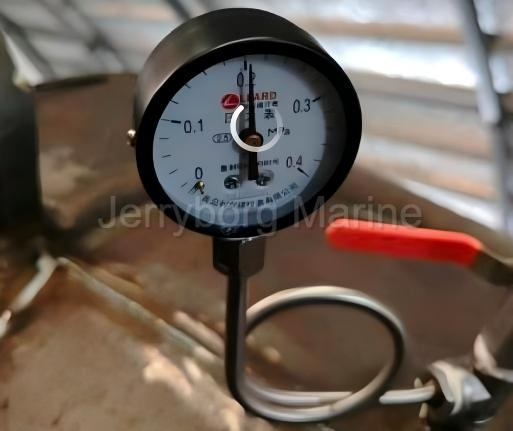
A Steel Mooring Buoy mainly stays on the water surface through its own buoyancy. The anchor chain and anchor below keep the buoy in position. When the vessel is affected by wind, current, and waves, the mooring load is transferred to the buoy and then carried by the underwater anchoring system.

Steel Mooring Buoys stay in a seawater environment for a long time, so corrosion protection needs to be considered. The steel surface is usually treated first, followed by a primer, intermediate coat, and topcoat, depending on project requirements.
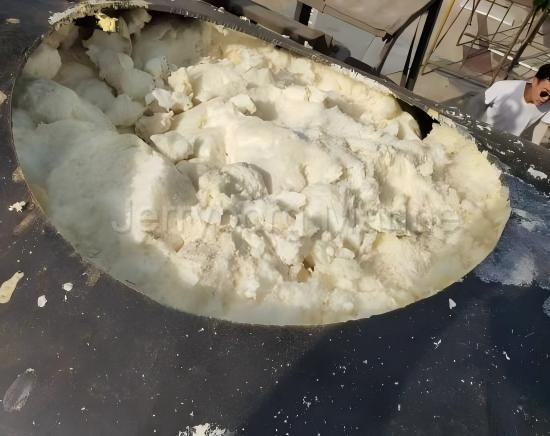
Jerryborg Marine can provide the anti-corrosion coating system for steel mooring buoys to meet ISO 12944-6 C4H requirements. We perform sandblasting and coating-thickness checks during production. We determine the specific coating system based on the project requirements.
ISO 12944-6 is a laboratory test standard for protective coating systems. C4H corresponds to the C4 corrosivity category and a high durability level.

Yes. Some projects have already specified an anti-corrosion paint supplier during procurement. Jerryborg Marine works with a number of anti-corrosion coating brands in China and overseas. Customers can also specify their own supplier. For example, if the project specifies Jotun, we can carry out the coating work according to the corresponding products and coating system requirements. The specific coating system used is based on the project’s corrosion protection requirements.
The steel used for Steel Mooring Buoys is not exactly the same for every project. The material depends on the buoy size, structure, and load conditions. It also depends on the customer’s technical requirements.
Jerryborg Marine purchases steel plates according to the project drawings and material requirements. After the steel plates arrive at the factory, we cut, roll, assemble, and weld them. For projects with classification society requirements, the material and subsequent inspections are also carried out according to the project requirements.
A Steel Mooring Buoy does not have a fixed service life. Its actual service life depends on the seawater environment, frequency of use, load, and daily maintenance. If the anti-corrosion coating is well maintained, the Steel Mooring Buoy can be used for a longer time.

Steel Mooring Buoys and Foam Buoys have different structures. A steel mooring buoy mainly uses the steel shell and internal structure to provide overall strength, while a Foam Buoy uses foam material to provide buoyancy. The two products are also different in weight, buoyancy, and use.
When making a steel mooring buoy, it is better to first determine the buoyancy, working load, mooring method, and installation conditions. If customers already have design drawings, production will be more direct. If not, you can provide the mooring requirements first.