スチール係留ブイの説明
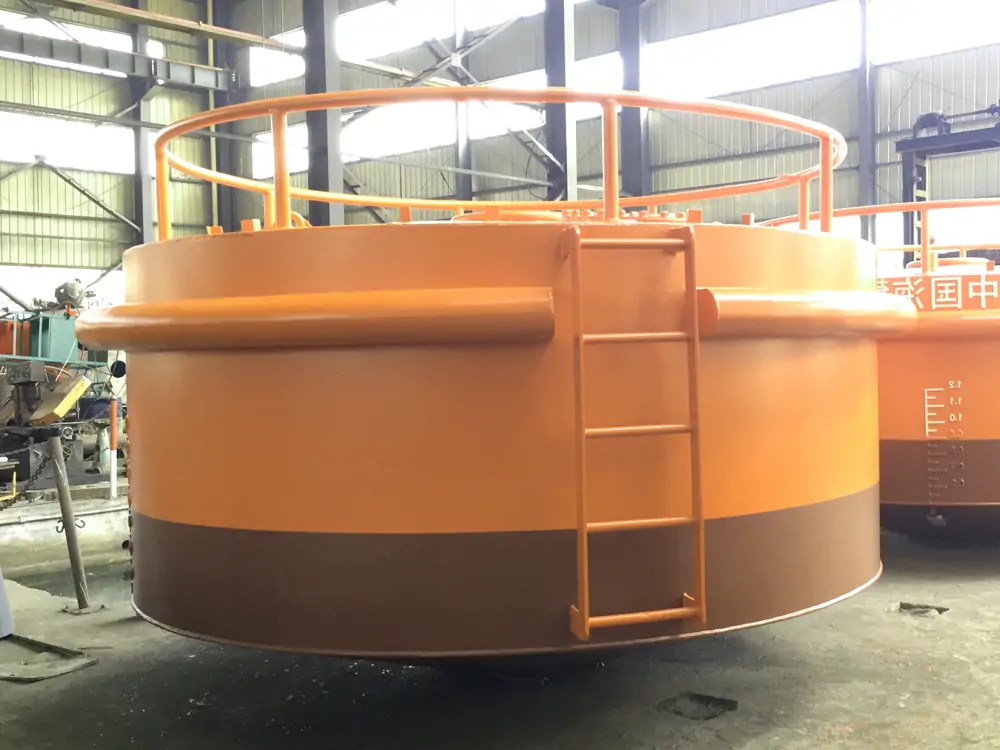
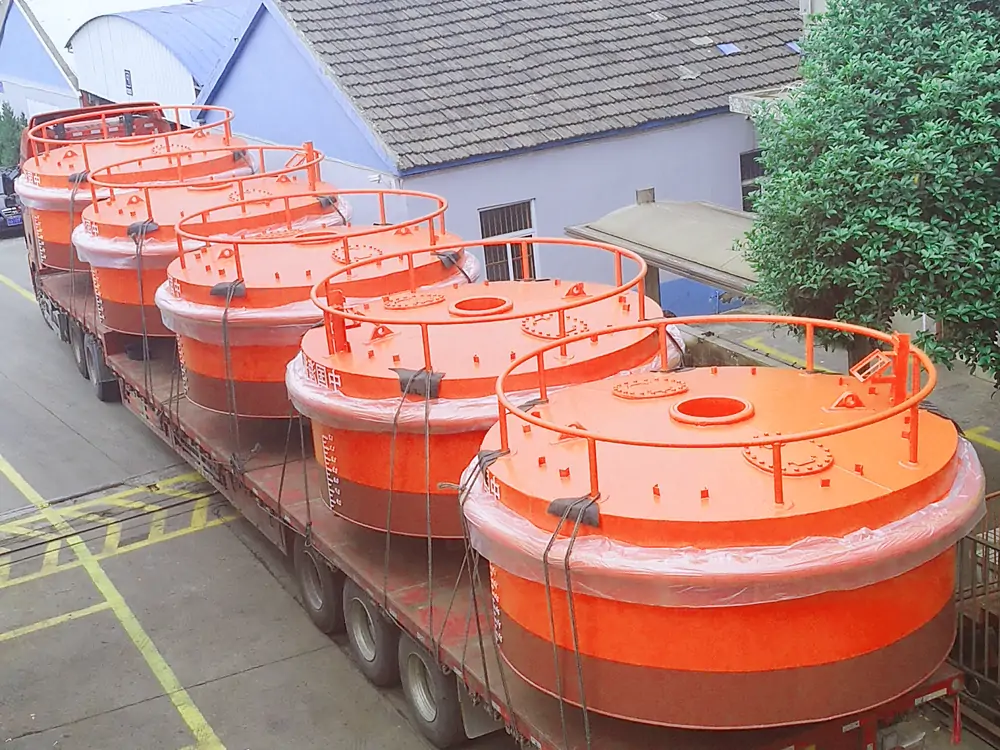
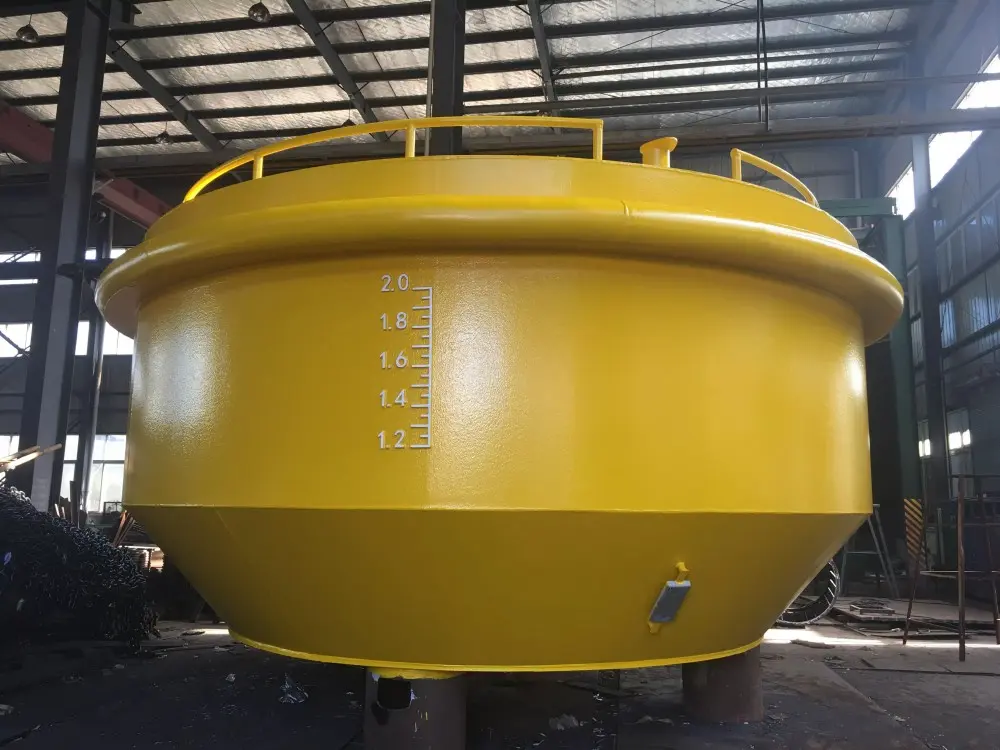
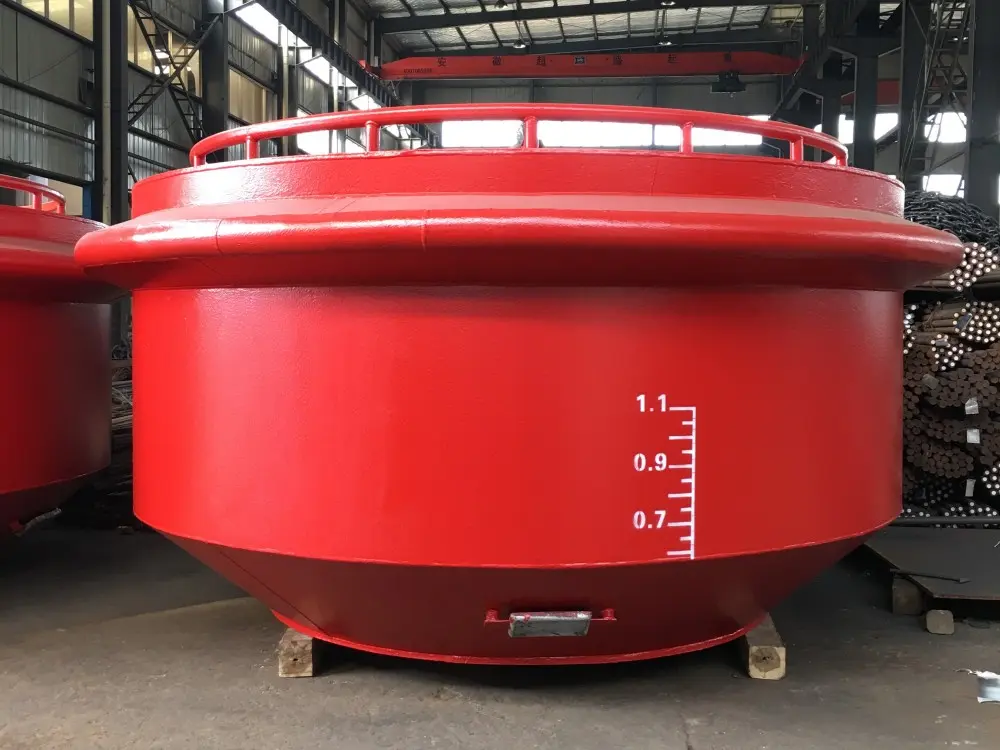
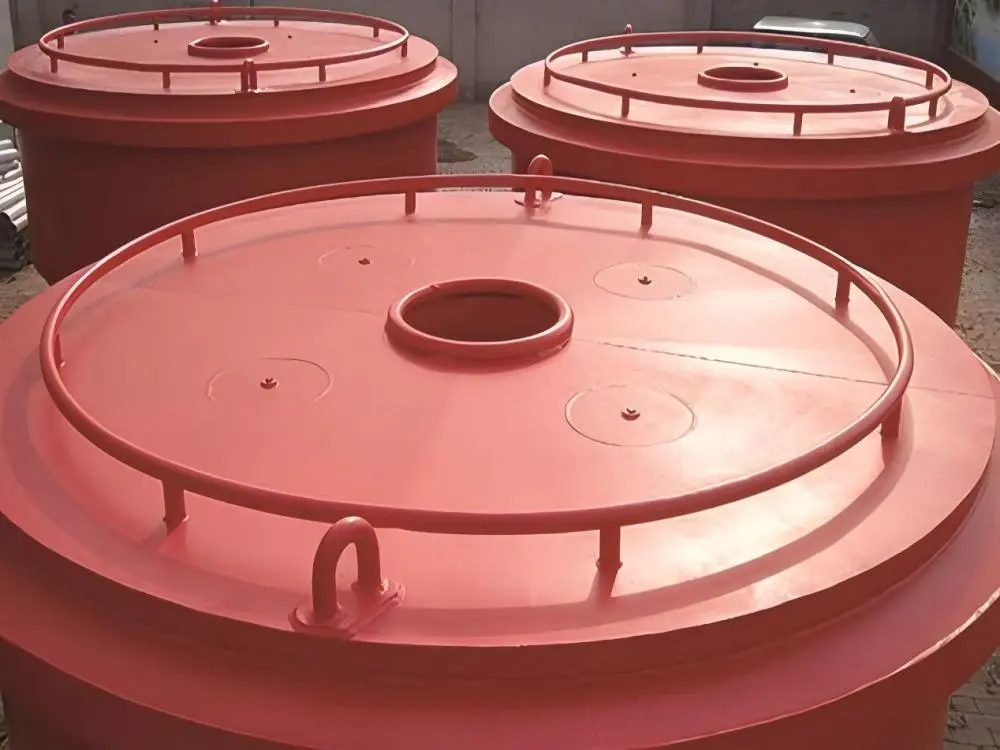
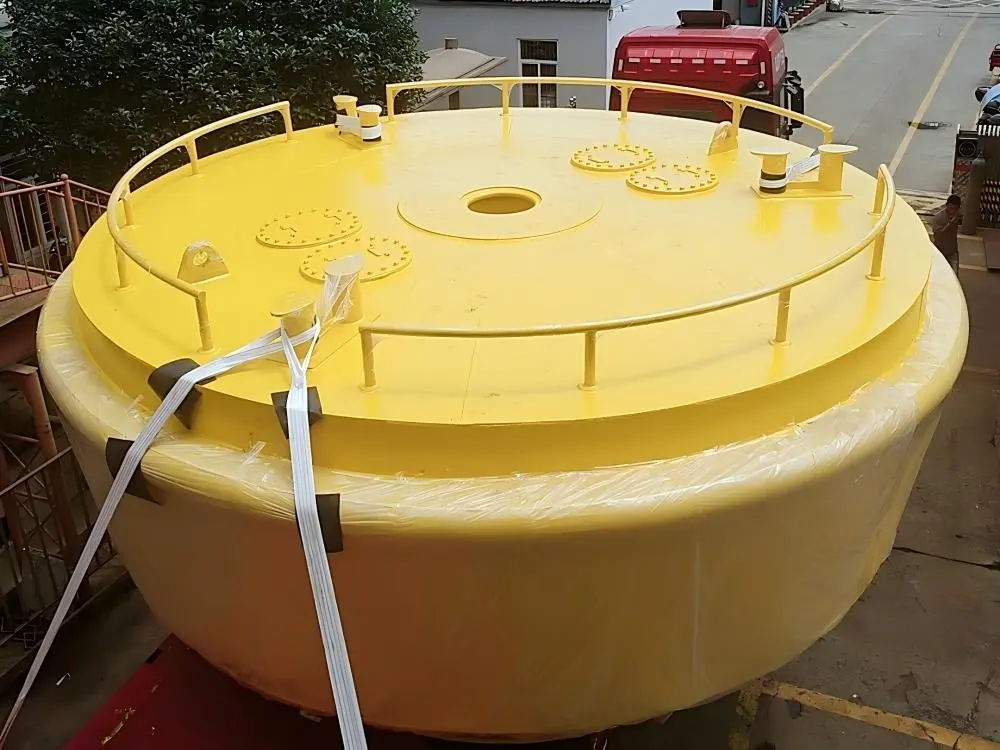
ジェリーボーグは様々な係留ブイを提供しています。これらのブイは、船舶や水上バイクを水中やドックの近くに固定することで、追加のドッキングスペースを提供することができます。船舶を安全に固定し、漂流を防ぐことができます。また、一過性の船舶がマリーナに停泊できない場合に、隣接する港に停泊する場所を提供することもできる。ジェリーボーグの係留ブイは、すべての業界規制および沿岸警備隊の要件に準拠しています。.
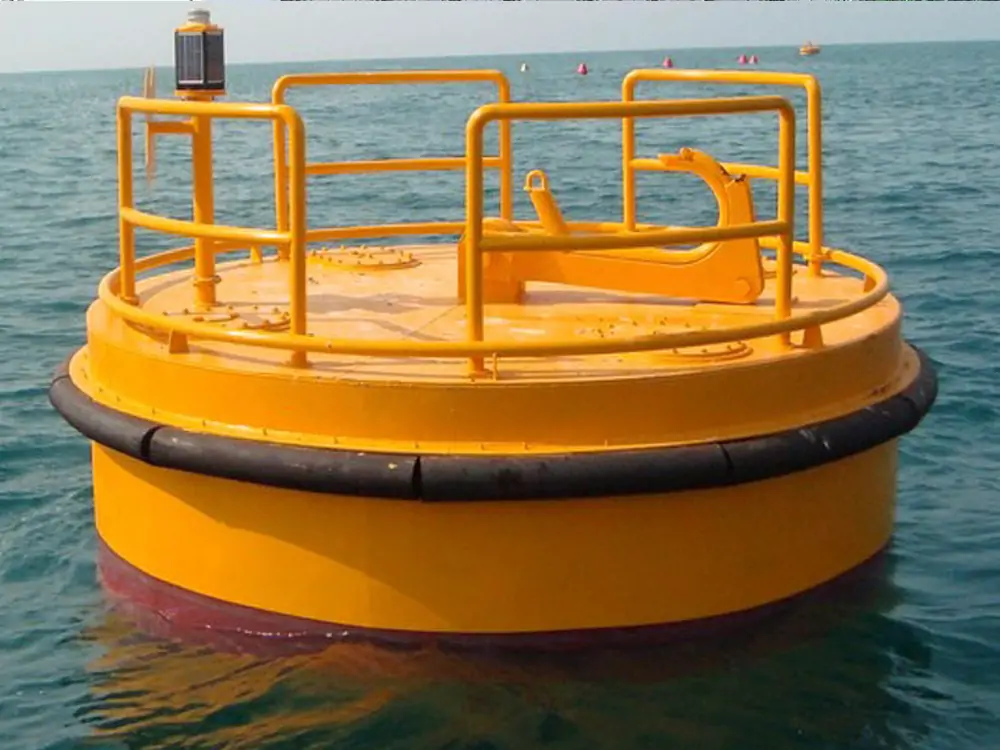
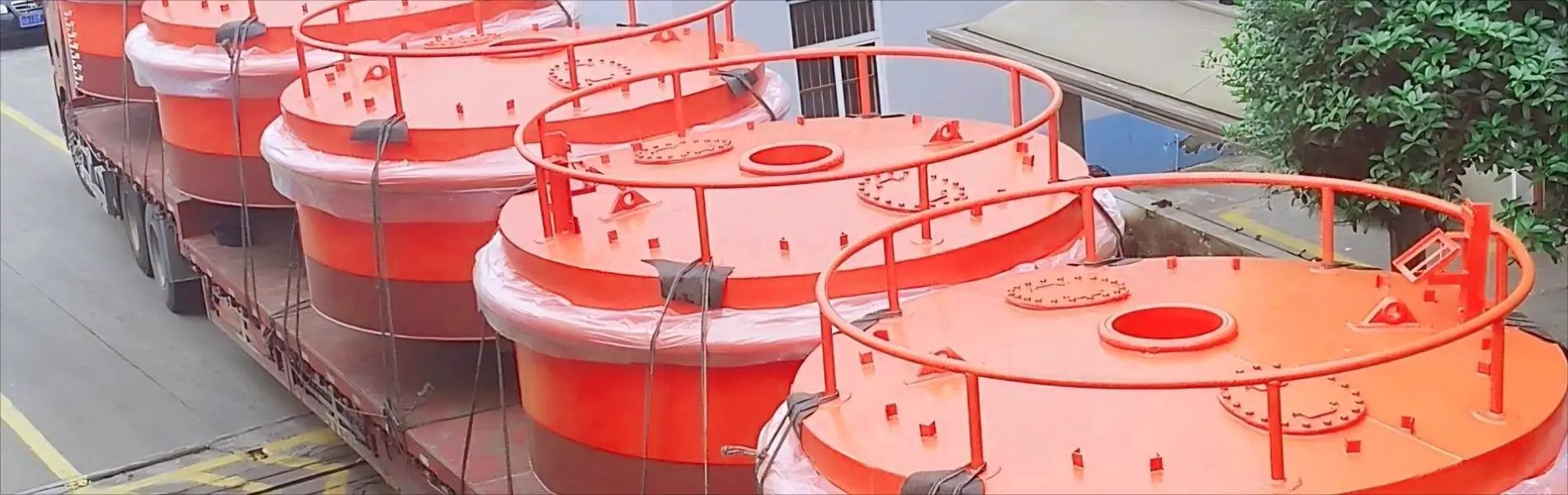
ジェリーボーグは様々な係留ブイを提供しています。これらのブイは、船舶や水上バイクを水中やドックの近くに固定することで、追加のドッキングスペースを提供することができます。船舶を安全に固定し、漂流を防ぐことができます。また、一過性の船舶がマリーナに停泊できない場合に、隣接する港に停泊する場所を提供することもできる。ジェリーボーグの係留ブイは、すべての業界規制および沿岸警備隊の要件に準拠しています。.
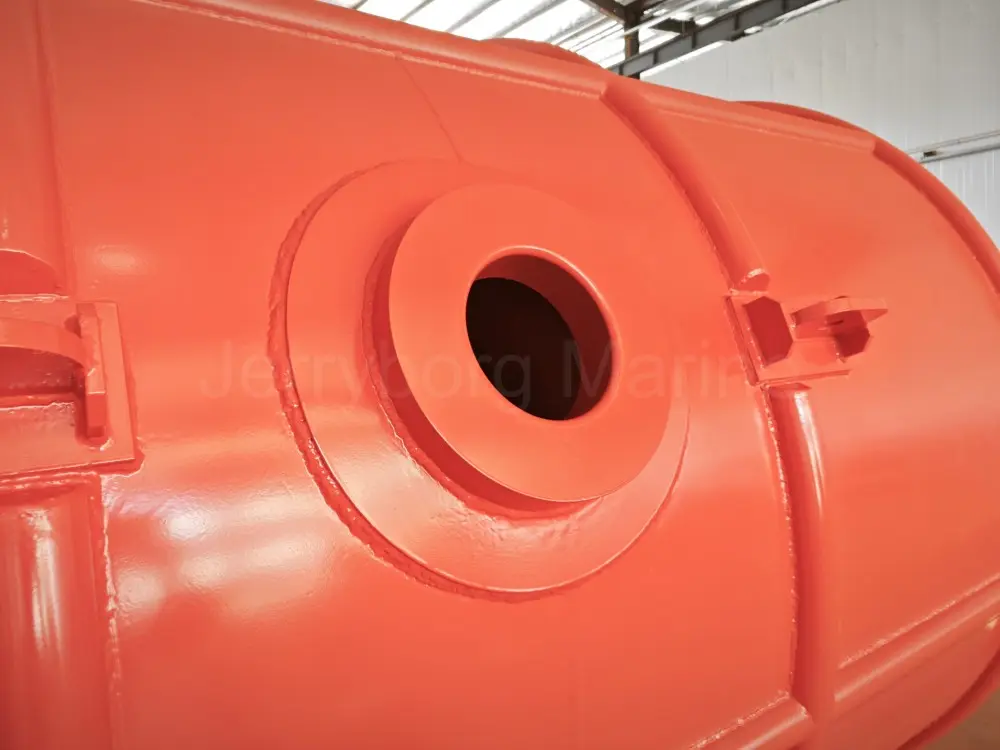
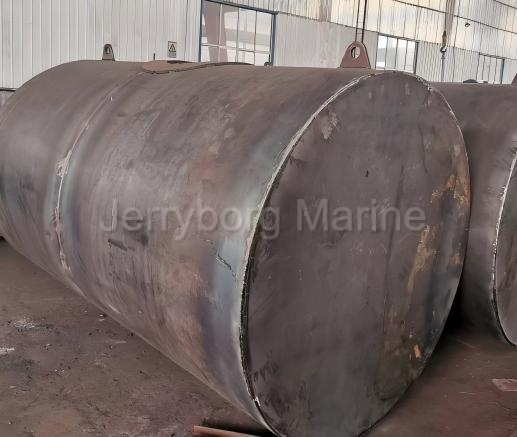
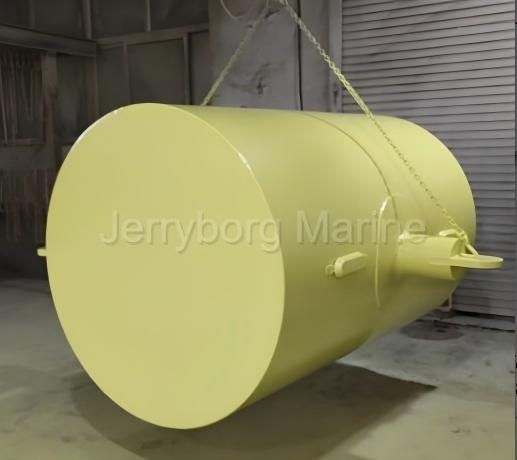
Outer Shell: The outside is thick steel, covered with a special coating to prevent rust in seawater.
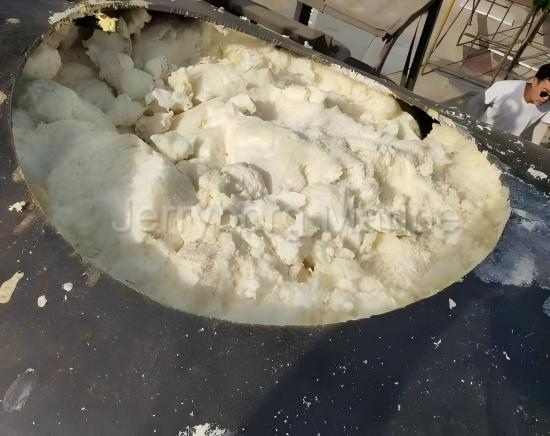
Foam Core: Inside, foam keeps the buoy floating even if the outer shell is damaged.
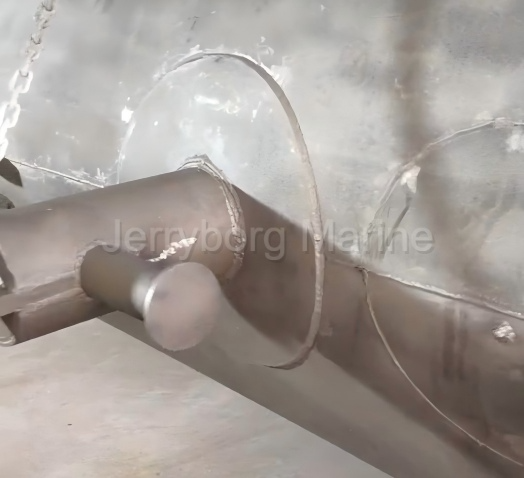
Attachment Points: Strong points on the top and bottom for connecting anchor chains keep the buoy in place.
Weight at the Bottom: Some buoys have weight at the bottom to help them stand upright in strong currents or winds.
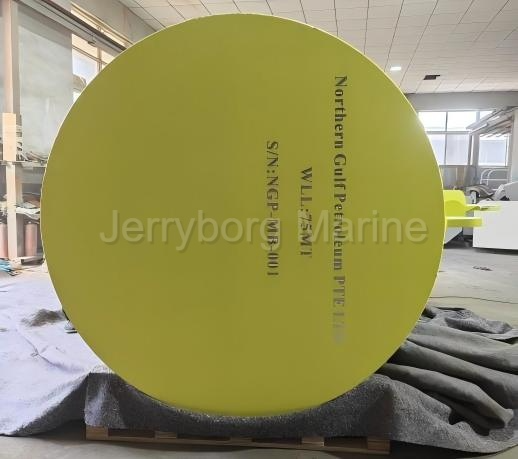
Lifting Points: These are for easy handling, so the buoy can be moved with cranes.
Reflectors or Lights: Often added for visibility at night or in foggy weather, making the buoy easy to spot.
お問い合わせ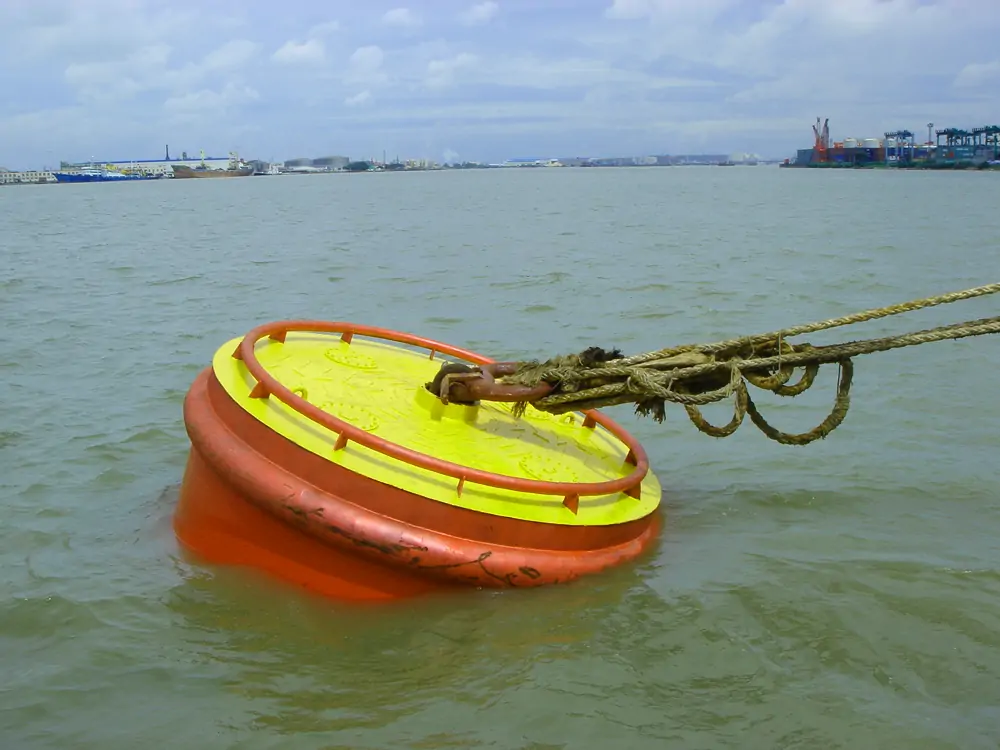

ジェリーボーグマリンは、様々なタイプや形状のスチール係留ブイを幅広く提供しています。タイプ別では、チェーンスルータイプ、クイックリリースフックタイプ、球形、アンカーブイに分類されます。形状別では、円筒形、ペンダント形、トップ形があります。係留ブイの種類や形状によって、特徴や構造、適用海象、使用シーンが異なります。各カテゴリーの簡単な紹介と具体的なパラメータを以下に示す。以下の2つの表は、様々なタイプや形状の鋼製係留ブイの全体的な違いをわかりやすくまとめたものである。.
| TYPE | CORE ADVANTAGES | SUITABLE SEA CONDITIONS | STRUCTURAL FEATURES | USAGE EXAMPLES |
|---|---|---|---|---|
| 係留ブイ | Strong resistance to unidirectional tensile force | Moderate sea state | Force is applied through an internal central shaft | Vessels are moored at fixed points for extended periods |
| Chain Through Mooring Buoy | Free and smooth angle adjustment | Dynamic sea state | The chain runs through the structure | Tidal changes and force direction changes are frequent |
| Quick Release Hook Mooring Buoy | Quick unwinding and safe release | Port berthing | With quick release device | Vessels arrive at port → unmooring and unloading → departure from port |
| Spherical Buoy | High buoyancy and uniform stress distribution | Suitable for varying sea conditions | Spherical structure, 360° stress distribution | Use for navigation markings, positioning, and warning signs |
| Anchor Buoy | Strong marking and positioning capabilities | Suitable for normal sea conditions | Fixed point marking structure | Marks anchor point location and anchor chain direction indication |
| SHAPE | ADVANTAGES | SUITABLE FOR USE |
|---|---|---|
| 円筒形 | Stable, traditional, linear force distribution | Standard and steady mooring |
| ペンダント | Energy absorption, smooth transition | Areas with waves, current changes, or frequent motion |
| ジャイロ | 回転防止 | Waters with swirling currents or side forces |
係留ブイは、最も一般的で普及しているタイプの鋼製係留ブイである。その名の通り、頑丈な中心軸を核とした支持構造になっている。中心軸の構造は非常に安定しているため、長期間の固定係留に適している。係留ブイはさらに、円筒型、ペンダント型、ジャイロ型の3種類に分けられる。それぞれのタイプには特徴があり、以下に紹介、画像、具体的なパラメータを示す。.
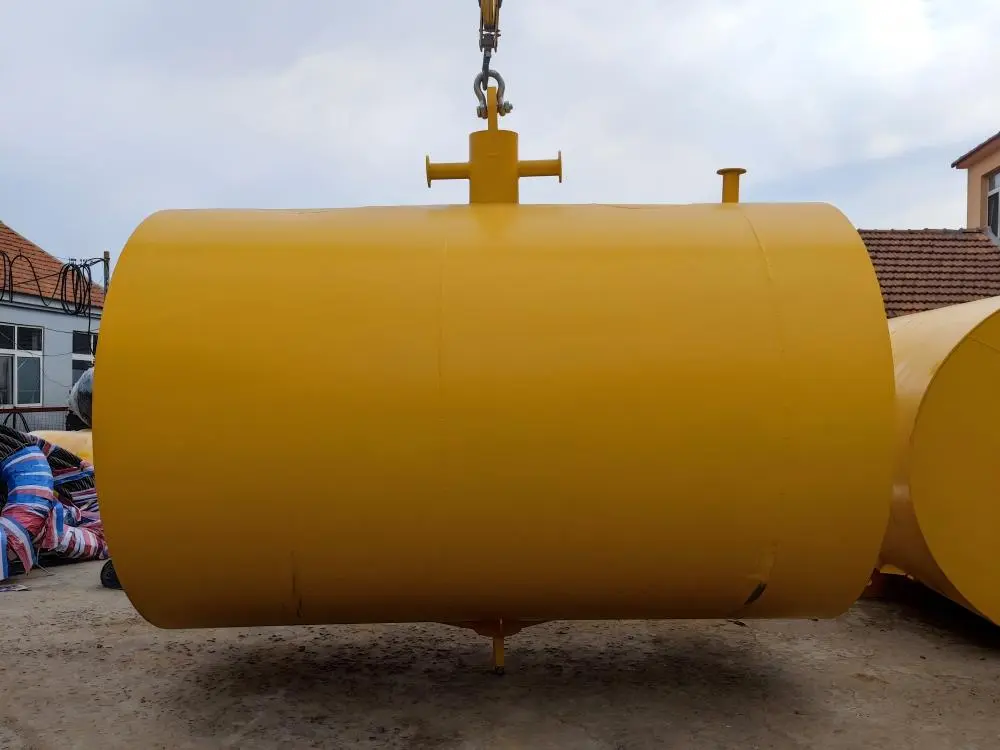
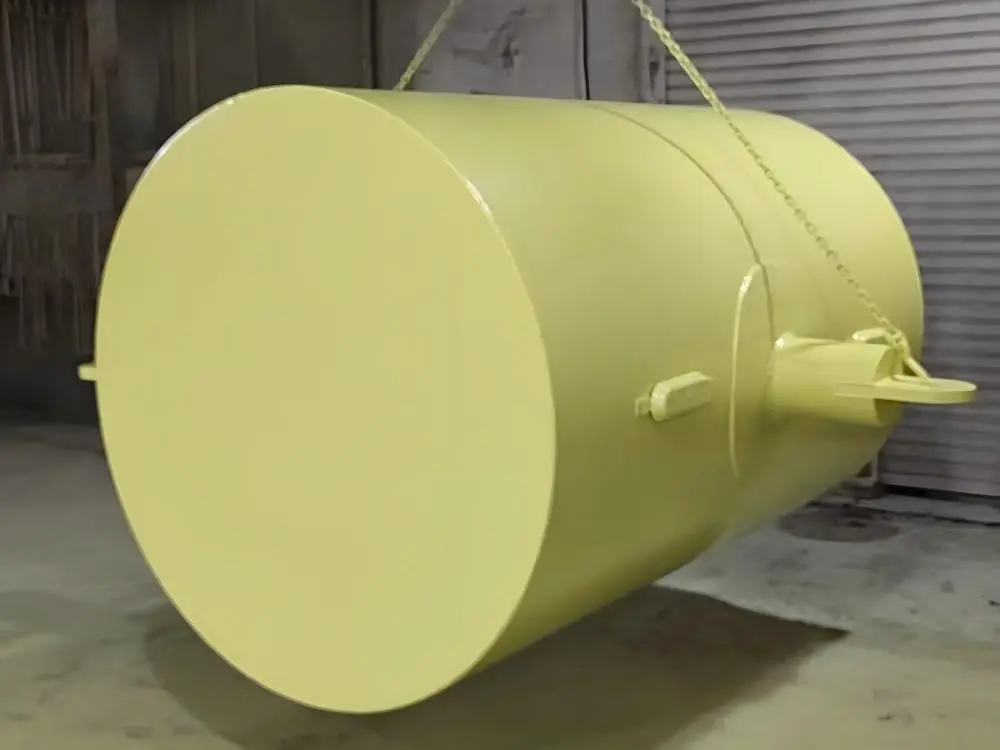
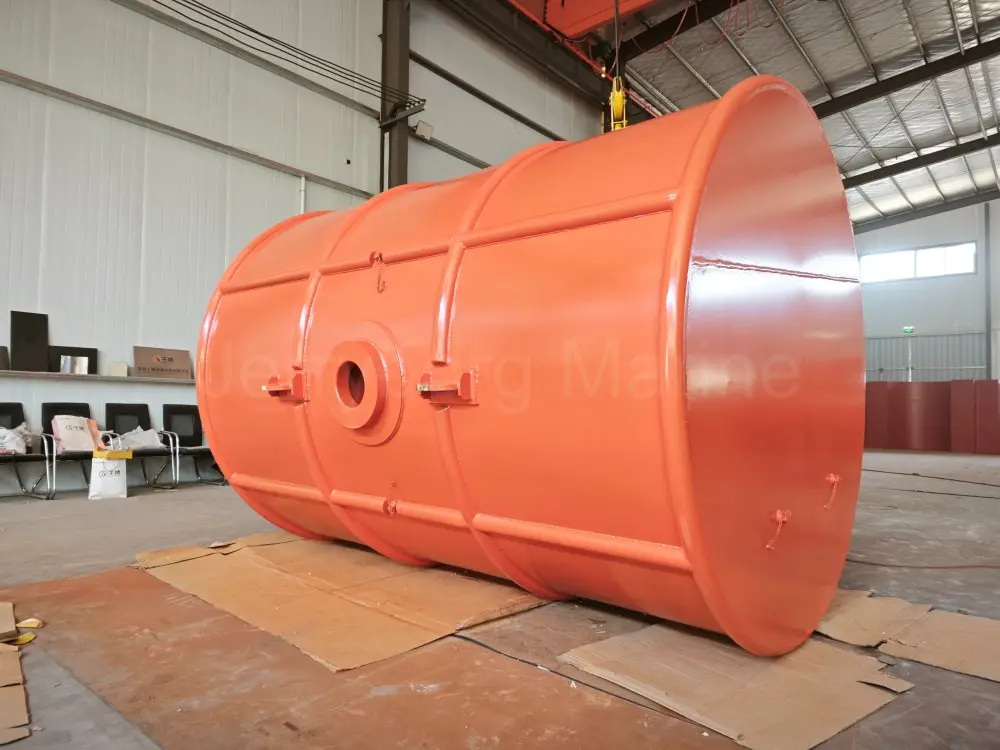
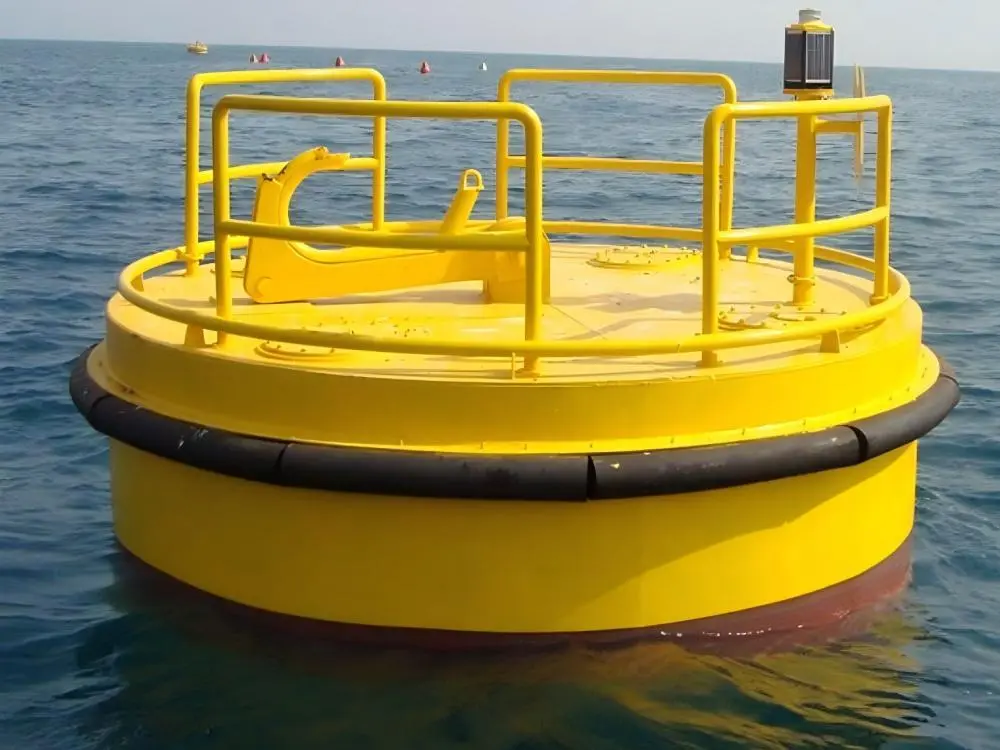
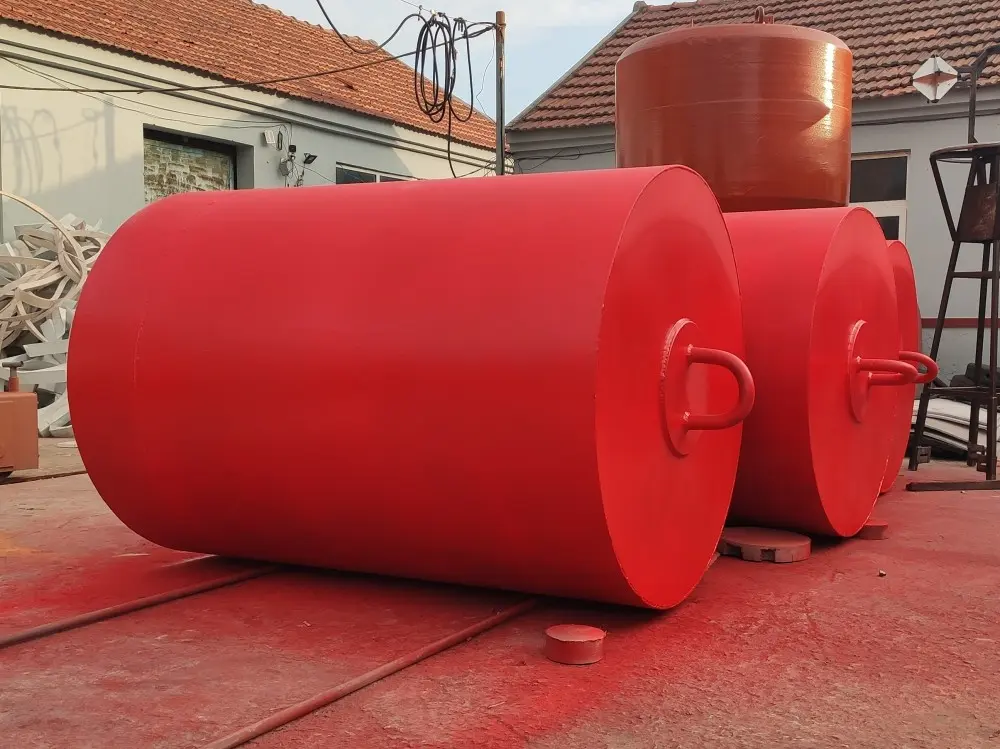
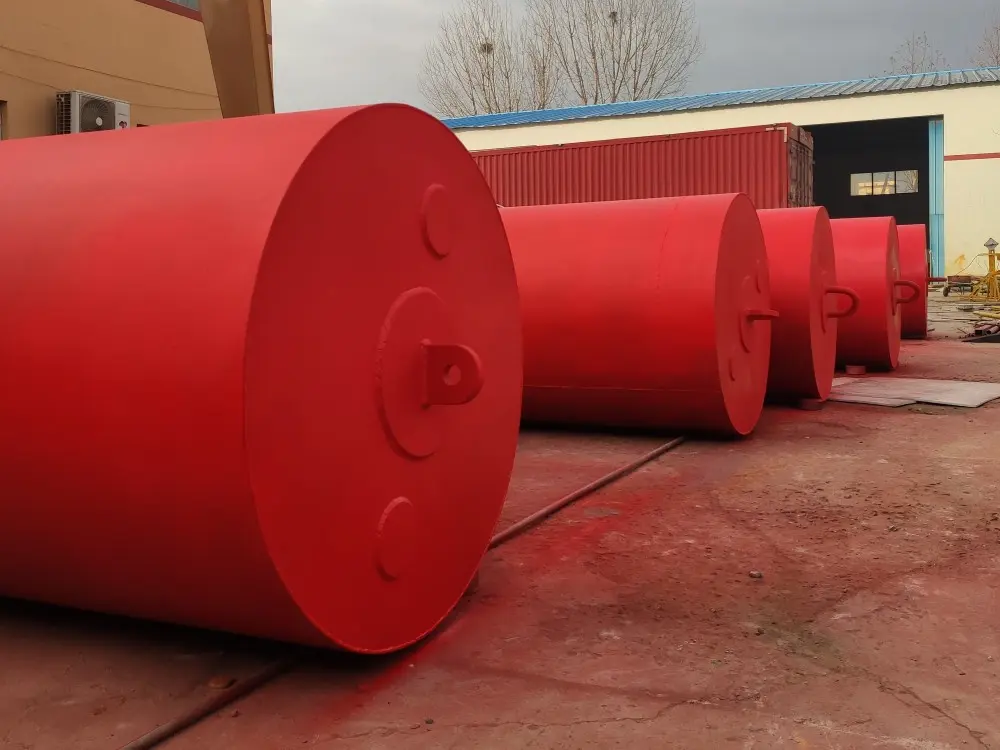
円筒形ブイは、中心軸ブイの一般的な形状である。円筒形の係留ブイは一般に大きく、耐荷重が大きい。船の力が比較的固定されている場所に適している。特別な要件のない標準的な係留状況では、円筒形係留ブイが良い選択です。.
| TYPE | BUOYANCY (WITHOUT CHAIN) (T) |
DIAMETER X HEIGHT (M) |
CHAIN DIAMETER (MM) |
LIFTING EYE (MM) |
RECOMMEND SINKER (T) |
MOORING SHACKLE (MM) |
SUITABLE FOR SHIP TONNAGE (T) |
|---|---|---|---|---|---|---|---|
| SMB2.0-D1 | 3 | Φ2.0×1.74 | Φ62 | Φ45 | 4 | Φ90 | <2000 |
| SMB2.6-D1 | 6 | Φ2.6×2.27 | Φ70 | Φ45 | 6 | Φ90 | <5000 |
| SMB3.6-D1 | 19 | Φ3.6×2.14 | Φ90-122 | Φ50 | 8 | Φ140 | <10000 |
| SMB5.0-D1 | 28.5 | Φ5.0×3.4 | Φ122 | Φ60 | 12 | Φ140 | <12000 |
| SMB5.5-D1 | 31.2 | Φ5.5×3.0 | Φ122 | - | - | - | <100000 |
| SMB6.0-D1 | 34.2 | Φ6.0×3.2 | Φ122 | - | - | - | <150000 |
| SMB8.0-D1 | 40.3 | Φ8.0×2.46 | Φ122 | Φ100 | 120 | Φ170 | <250000 |
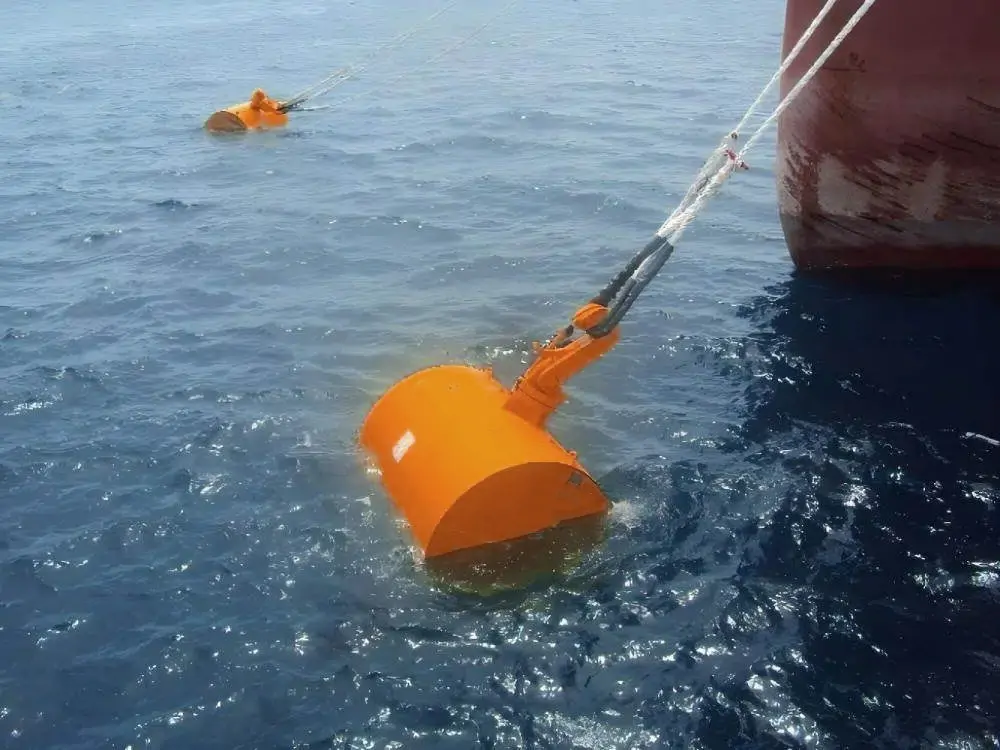
ペンダント型係留ブイは内部に中心軸があり、ブイ全体の構造を安定させることができる。ペンダント型ブイは、円筒を寝かせたように水中で水平に浮き、潮流によってわずかに揺れることができる。このため、波や潮流の影響を受けにくい。そのため、中心軸タイプのペンダントブイは、力の方向が微妙に変化するような海況に適している。.
| BUOY TYPE |
BUOYANCY NET IN KG |
WORKING LOAD IN TONS |
DIAMETER IN M |
BUOY LENGTH IN M |
HEIGHT OVERALL IN M |
BUOY WEIGHT IN KG |
|---|---|---|---|---|---|---|
| PB 25 | 2,500 | 68 | 1.4 | 2.1 | 2.2 | 583 |
| PB 50 | 5,000 | 68 | 1.7 | 2.6 | 2.5 | 898 |
| PB 75 | 7,500 | 68 | 1.9 | 2.9 | 2.7 | 1,185 |
| PB 100 | 10,000 | 68 | 2.1 | 3.2 | 3.1 | 1,550 |
| PB 150 | 15,000 | 68 | 2.4 | 3.6 | 3.4 | 2,070 |
| PB 200 | 20,000 | 91 | 2.7 | 4.0 | 3.7 | 2,669 |
| PB 250 | 25,000 | 91 | 2.9 | 4.3 | 3.9 | 3,203 |
| PB 300 | 30,000 | 91 | 3.0 | 4.5 | 4.1 | 3,678 |
| PB 350 | 35,000 | 114 | 3.2 | 4.8 | 4.3 | 4,142 |
| PB 400 | 40,000 | 114 | 3.3 | 5.0 | 4.5 | 4,893 |
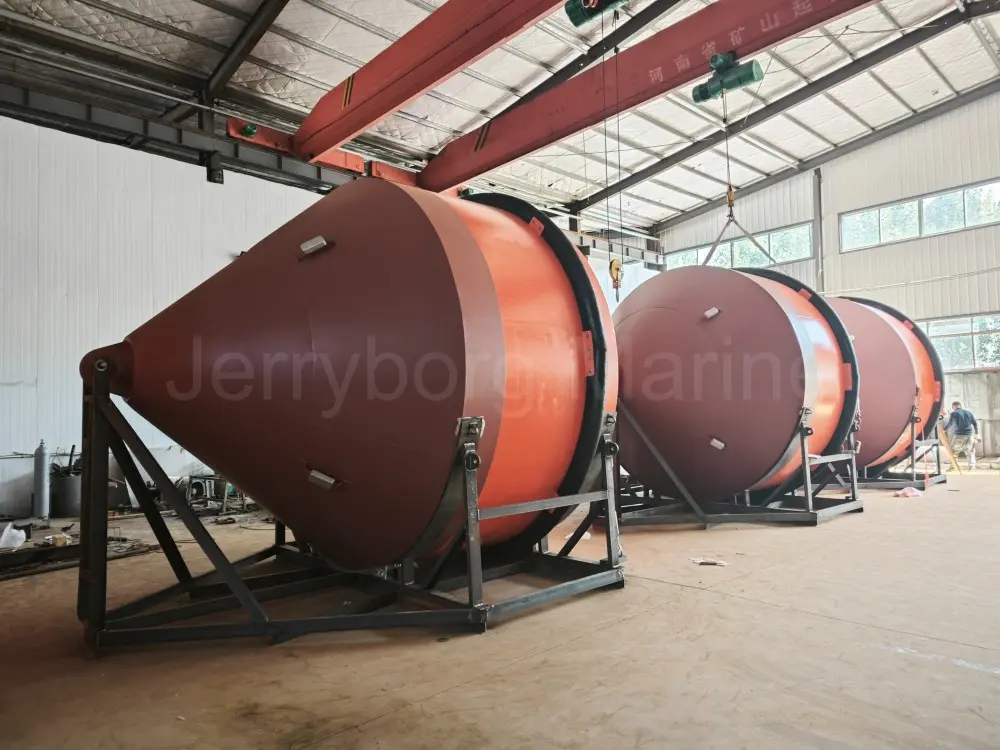
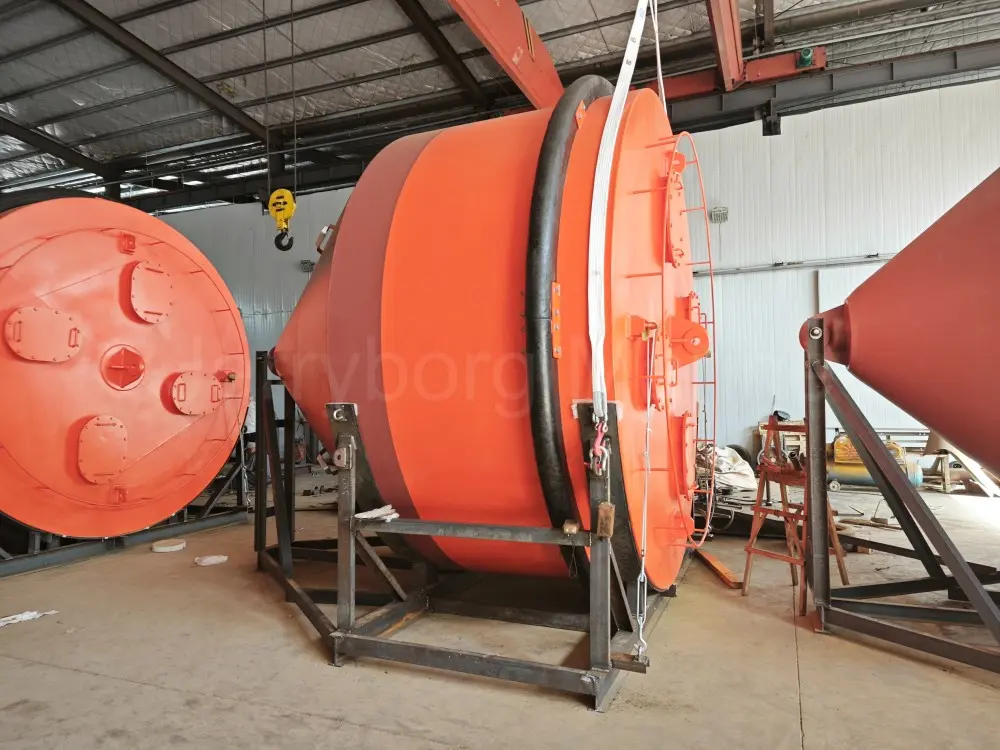
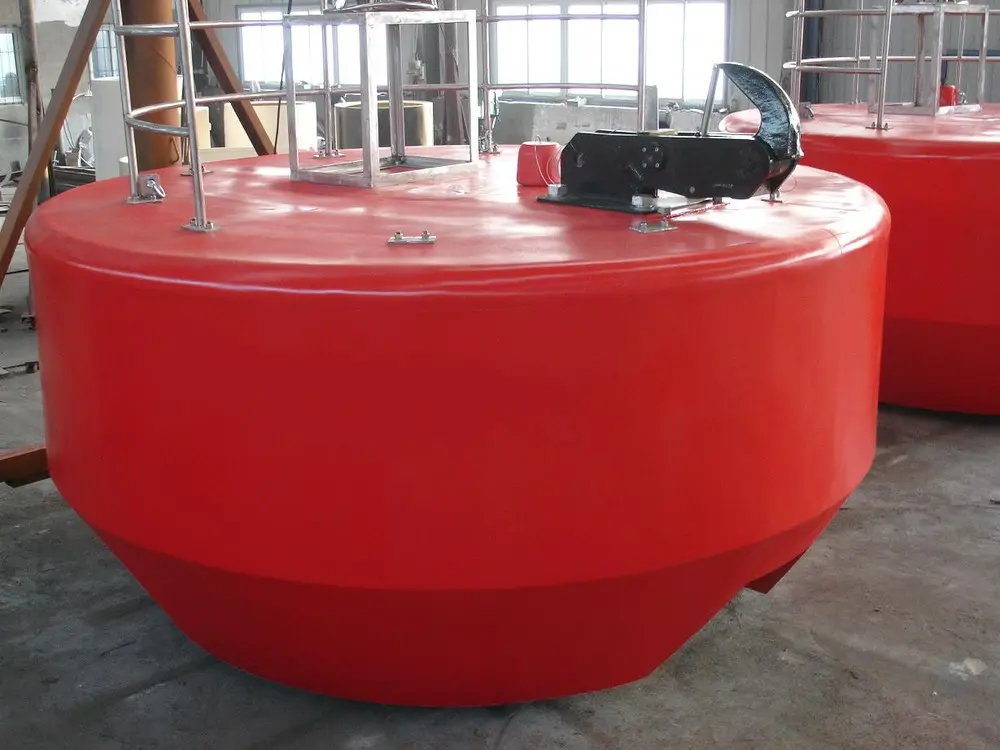
ジャイロ型ブイはその名の通り、上部が広く下部が狭い形状で、回転するコマに似ている。トップは回転するため、ジャイロ型ブイは回転に強い。この特性により、渦や横流れのある海域でも安定性を保つことができる。複雑な海況では、異なる方向からの渦や潮流が発生する可能性が高くなる。したがって、ジャイロ型ブイは複雑な海況での使用に適している。.
係留ブイを貫通するチェーンは、ブイの中央に穴が開いている。この穴にロープやチェーンを通すことができる。この設計により、ブイは張力の方向の変化に適応し、力をより均等に分散させることができる。潮の干満差が大きい地域では、船舶が潮の満ち引きによって頻繁に移動する。このようなダイナミックな状況では、貫通型係留ブイが優れた係留方法となります。.
チェーンスルータイプの円筒形係留ブイは、サイズが大きく、安定性が高く、アンカーチェーンやロープを通すための開口部が中央にあるため、水流への適応性が高い。また、設置やその後のメンテナンスも比較的容易であるため、多くの船舶システムがチェーンスルー式円筒型係留ブイを選択することが多い。.
チェーンスルータイプのペンダント式係留ブイは、水中に水平に設置され、中央にチェーンが通る穴が開いている。このため、潮流によってブイが微妙に揺れ、ブイの位置を調整したり、チェーンに沿って自由に角度を調整することができる。チェーンスルータイプは張力が均等に分散されるため、ブイの摩耗を抑えることができる。.
| BUOYANCY | SIZE | 重量 |
|---|---|---|
| 500KG | 820 x 1020mm | 328 |
| 1トン | 1060 x 1500mm | 700 |
| 2トン | 1400 x 1900mm | 1200 |
| 3トン | 1500 x 2300mm | 1430 |
| 6トン | 2100 x 2400mm | 2300 |
| 8トン | 2030 x 3150mm | 2600 |
| 10トン | 2200 x 3900mm | 3290 |
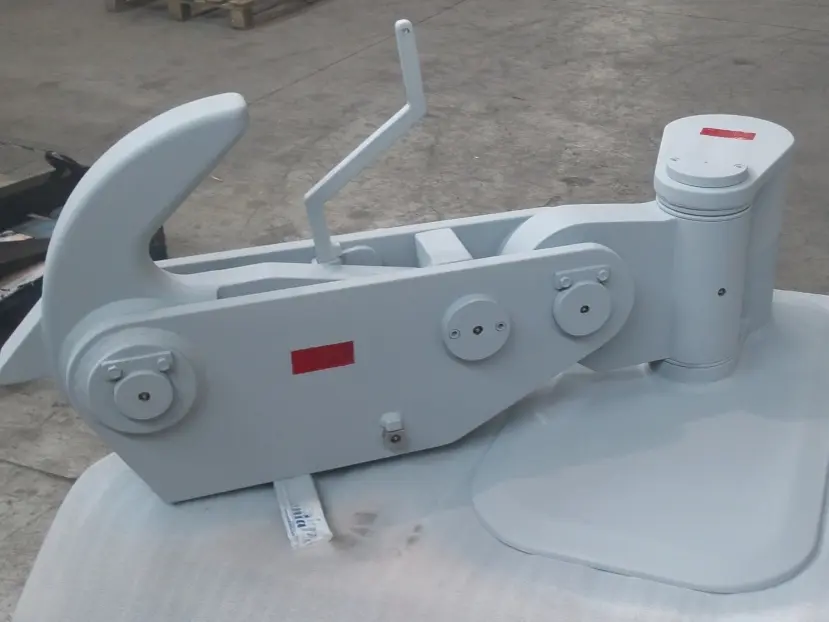
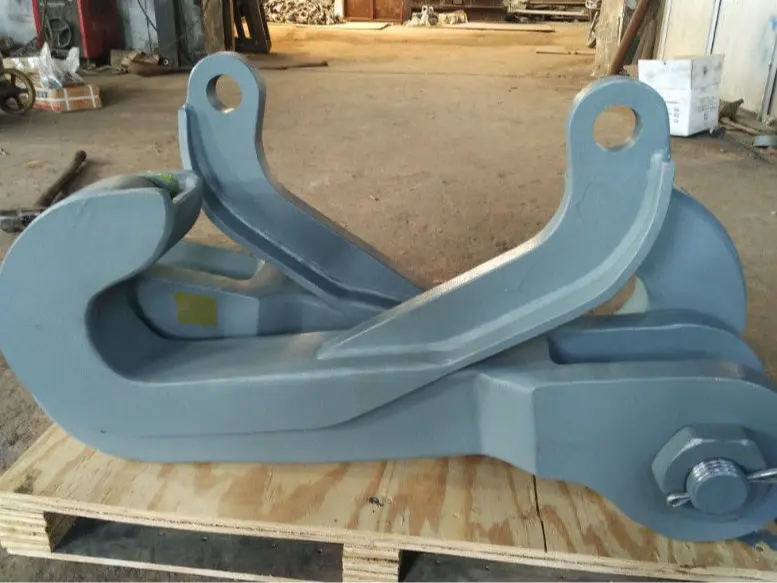
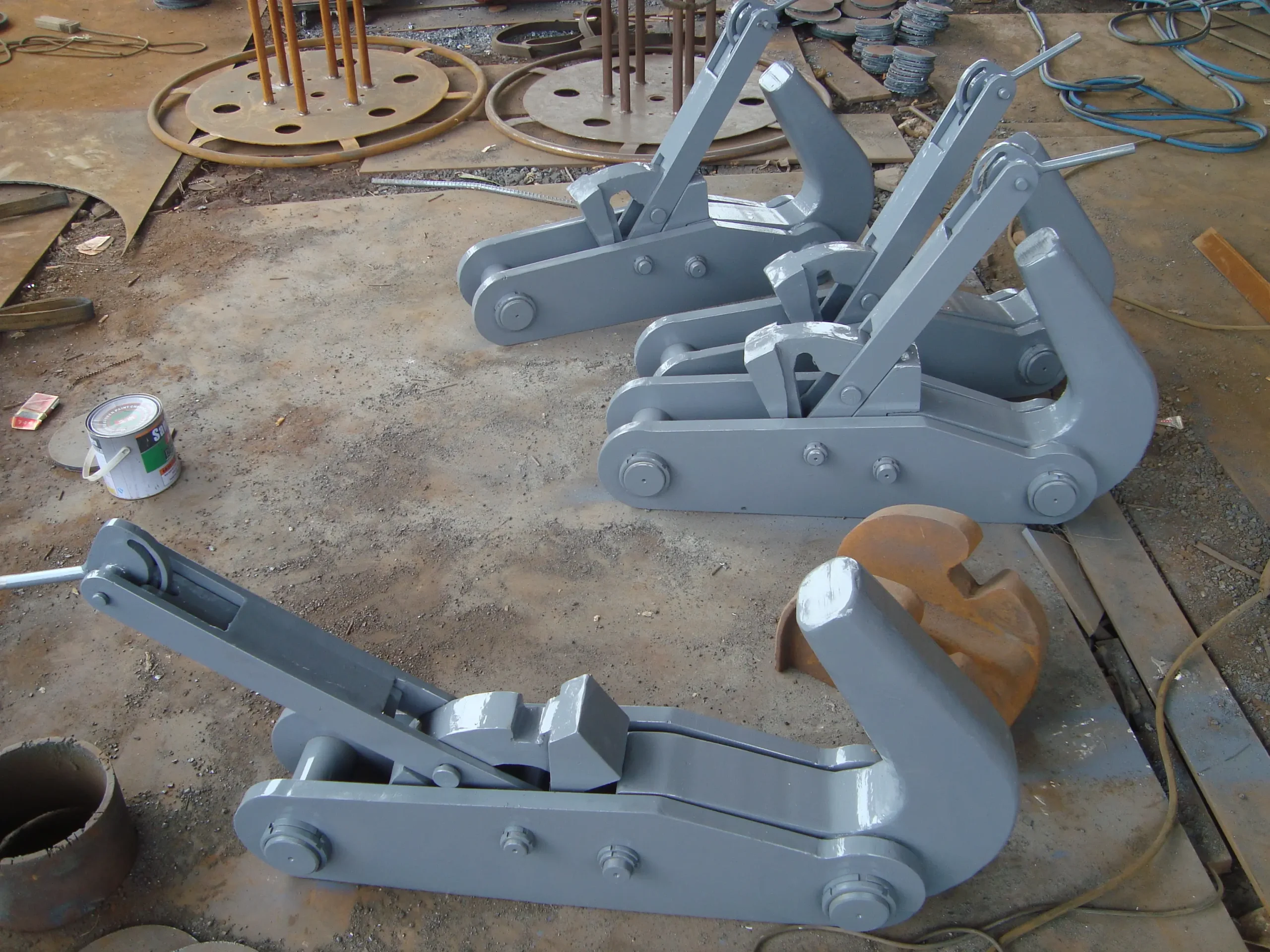
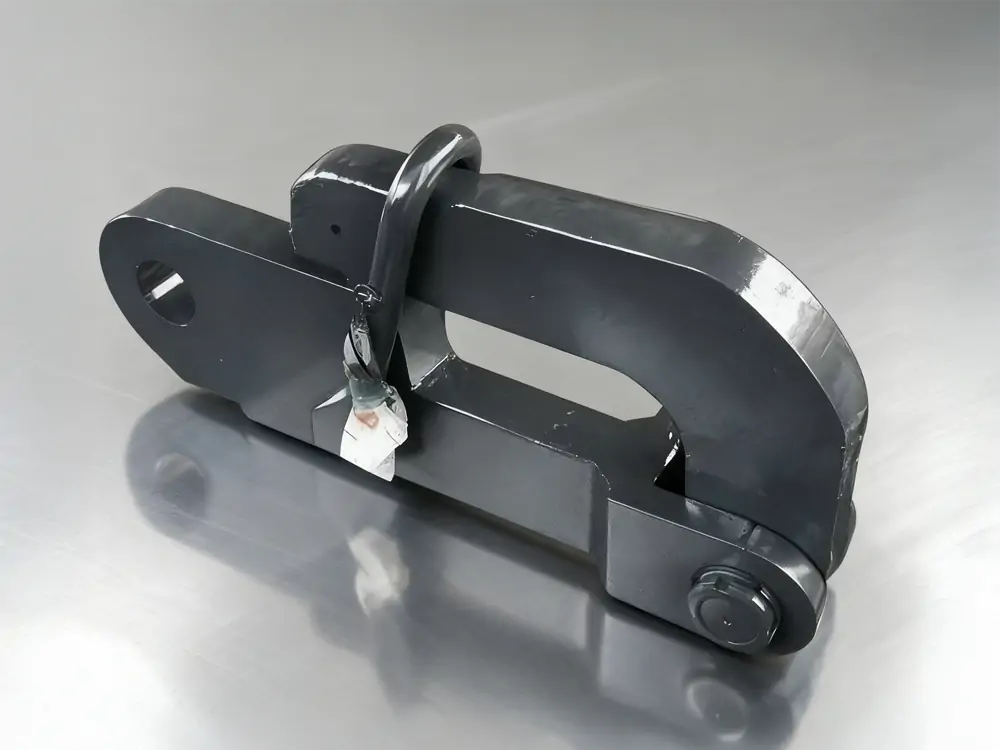
QRH係留ブイはクイックリリースフック係留ブイの略です。このブイはクイックリリースフックを備えています。このデザインにより、船舶は係留索を素早く着脱でき、停泊が非常に便利で効率的になります。QRH係留ブイは円筒型とペンダント型に分けられます。.
クイックリリースフック円筒形係留ブイは、規則的な形状とクイックリリース設計により、使用中にチェーンやケーブルを詰まらせにくくなっています。ほとんどの日常的な停泊作業に適しています。.
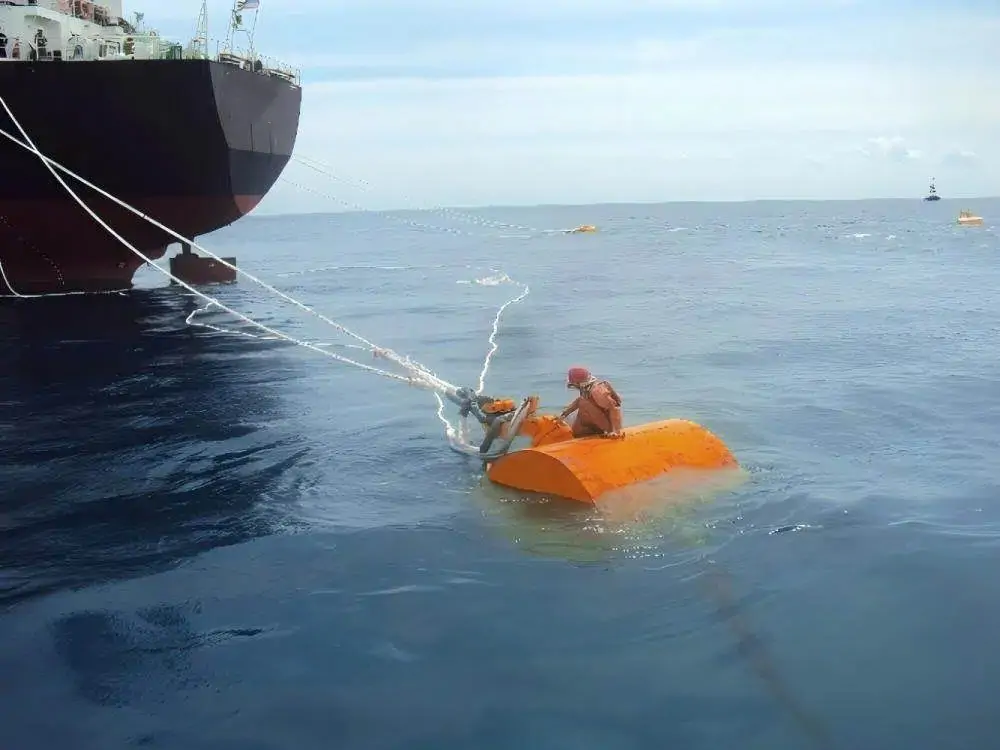
クイックリリースフックペンダント係留ブイは、水中に水平に設置され、クイックリリース機構を備えているため、ロープのリリースが非常にスムーズです。また、ペンダント係留ブイは船舶の頻繁な角度の変化にも対応でき、接岸作業の安全性と効率を向上させます。.
当社のクイックリリースフック係留ブイには、素早くフックを外すための4種類のモデルもあります:クイックリリースフックA、クイックリリースフックB、クイックリリースフックC、クイックリリースフックDです。クイックリリースフック-A、クイックリリースフック-B、クイックリリースフック-C、クイックリリースフック-Dの4種類があります。係留ブイの安全性と操作性を高めるため、Jerryborg Marineはお客様の具体的な要件や状況に応じて最適なリリースモデルを提案します。.
クイックリリースフックA
クイックリリースフック-B
クイックリリースフック-C
クイックリリースフック-D
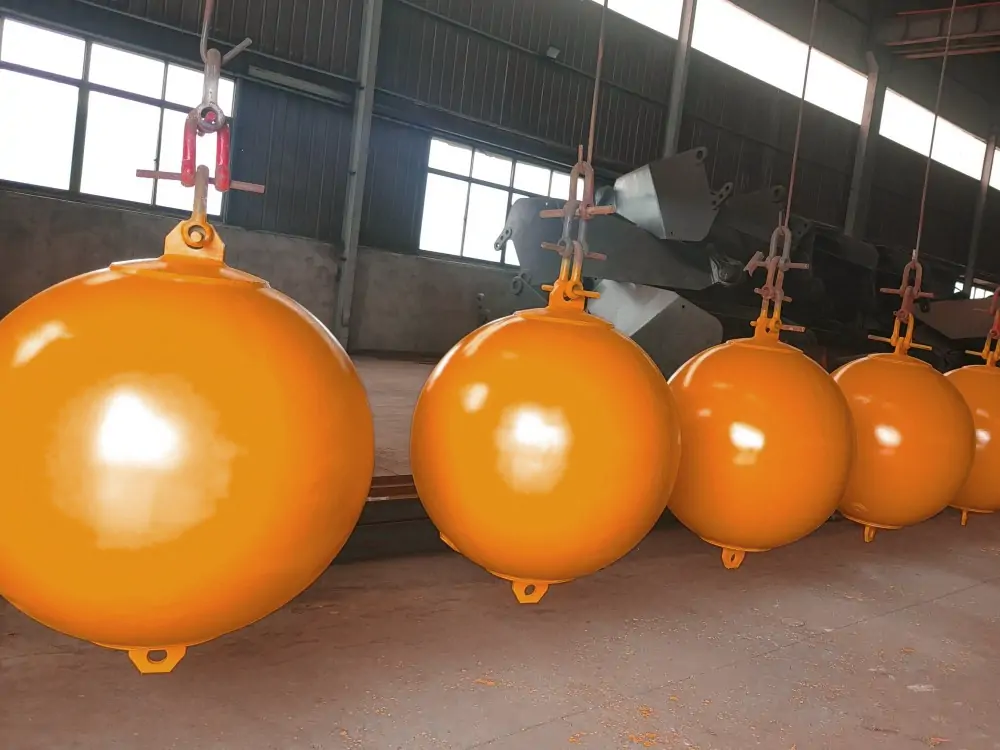
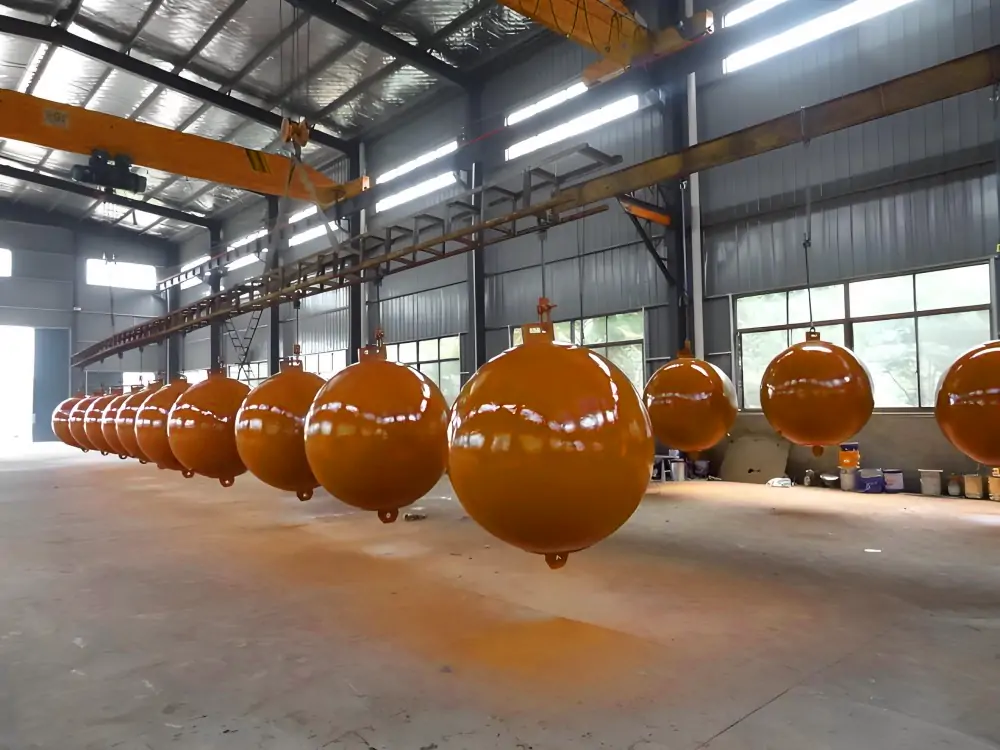
球形係留ブイは、単純に球形をしている。この形状の利点は、力が分散されることである。水の流れの方向に関係なく、どの角度からの張力にも耐えることができる。力の方向に明らかな制限はない。球形の係留ブイは、水路や警戒区域、位置標示が必要な場所でよく使われる。.
| 仕様 | Details |
|---|---|
| ボリューム | 59 cu.ft.prox |
| 重量 | 675 Ibs.prox. |
| Displacement of seawater | 3770 Ibs.Prox. |
| Net buoyancy | 3000ポンド以上. |
| 素材 | 3/16” steel plate |
| ダブラー | 22” diameter top and bottom |
| Top pad eye | 5”x11” with oblong eye 2”x8” |
| Bottom pad eye | 5”×8” with 2” eye |
| 仕様 | Details |
|---|---|
| ボリューム | 59 cu.ft.prox. |
| 重量 | 1100 Ibs.Prox. |
| Net buoyancy | 2600 Ibs.Prox. |
| 素材 | 3/16” steel plate |
アンカーブイは、水中のアンカーポイントの位置を示すために使用される。海洋養殖、ドック係留システム、浮体式作業プラットフォームなどで使用されます。Jerryborg Marineは、お客様の特定のニーズに基づき、異なる水深や応力要件に適したアンカーブイを提供することができます。また、アンカーブイの色やスチール製リフティングリングなどの付属品をカスタマイズすることも可能です。.
1. Welding assembly
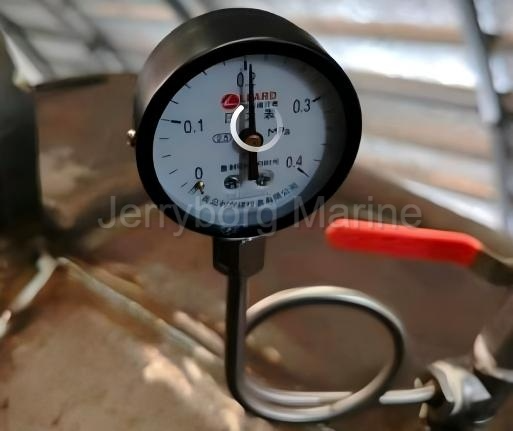
2. Airtightness inspection
3. Polyurethane foam filling
4. SA2.5 sand blasting finish
5. Marine anti-corrosion coating
6. Film thickness inspect
7. Mark painting
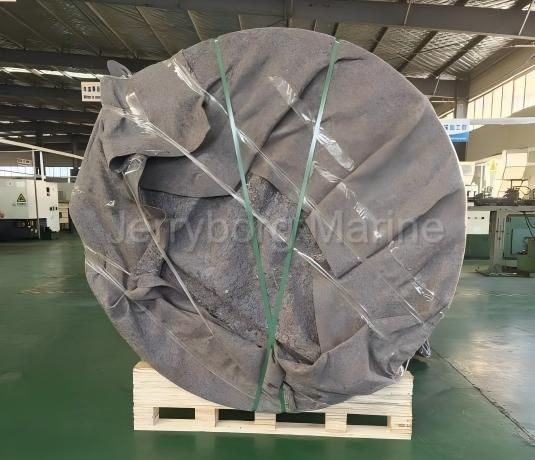
8. Packing
9. Delivery
ブイは海に浮く必要があるので、気密性は非常に重要です。私たちはブイのガス漏れ試験や水密試験を行います。これにより、ブイの溶接部や全体的な構造に漏れがないかをチェックすることができます。.
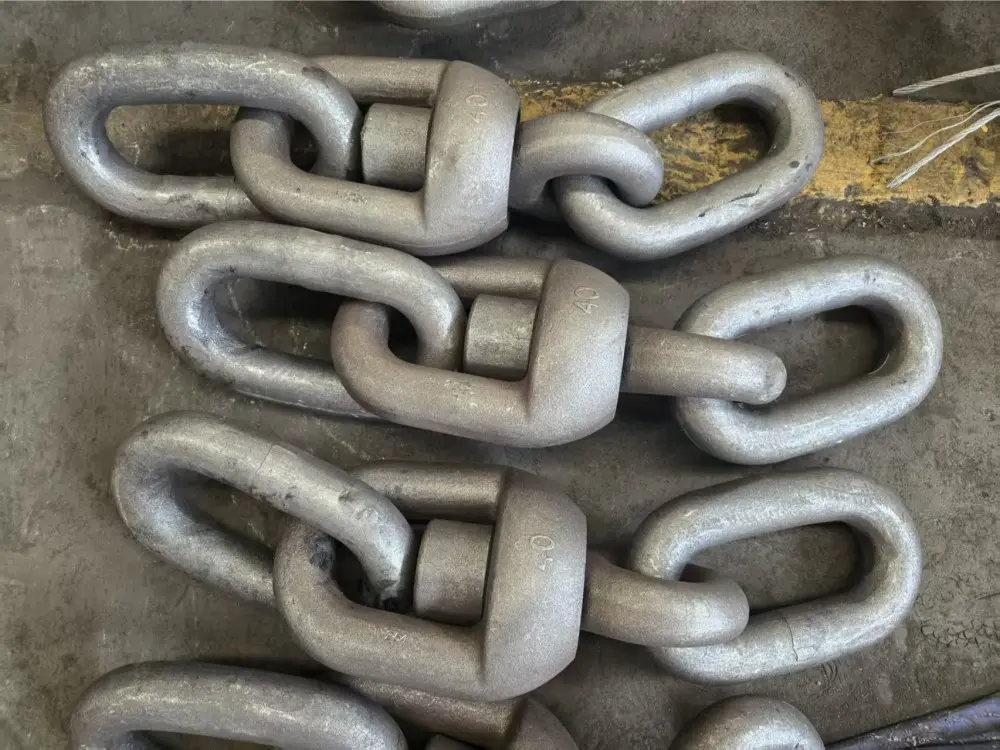
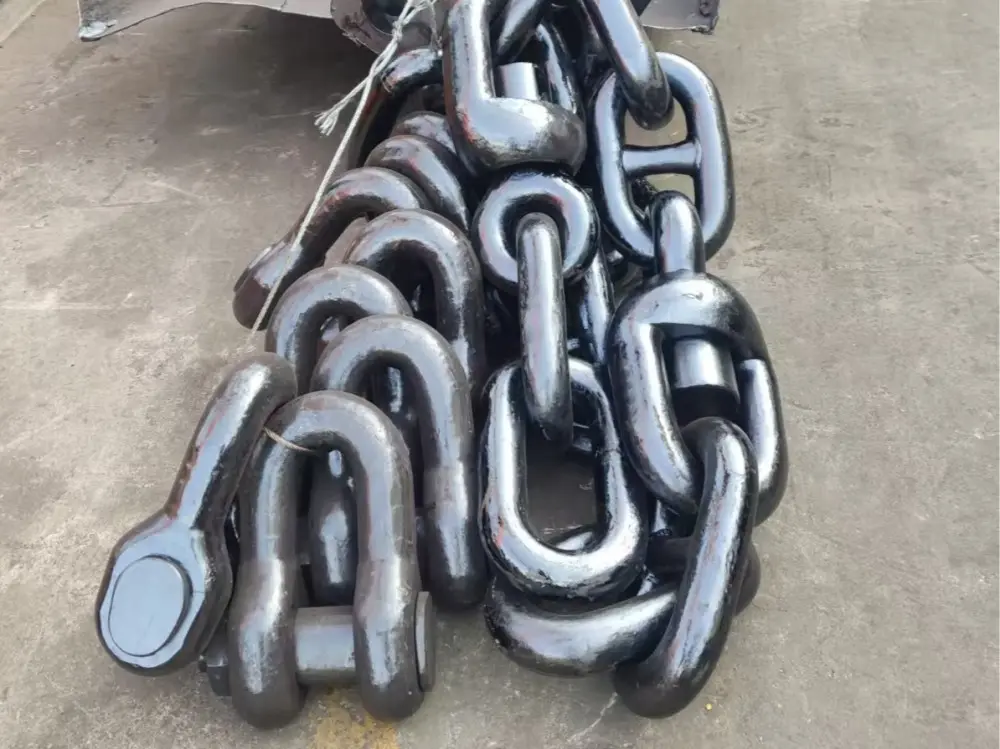
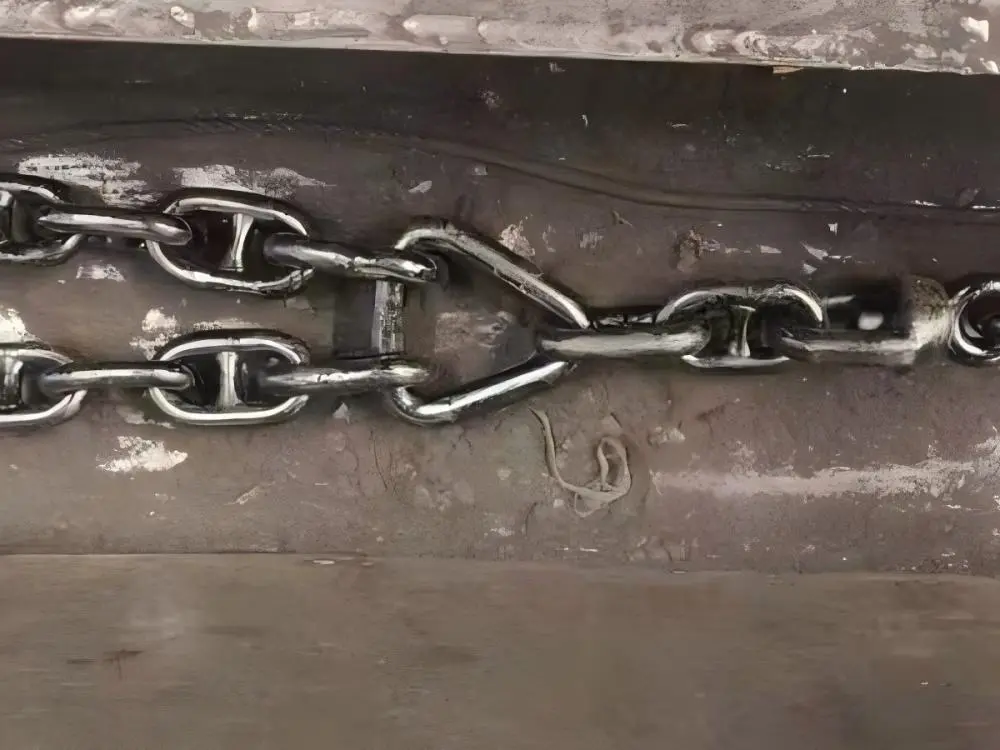
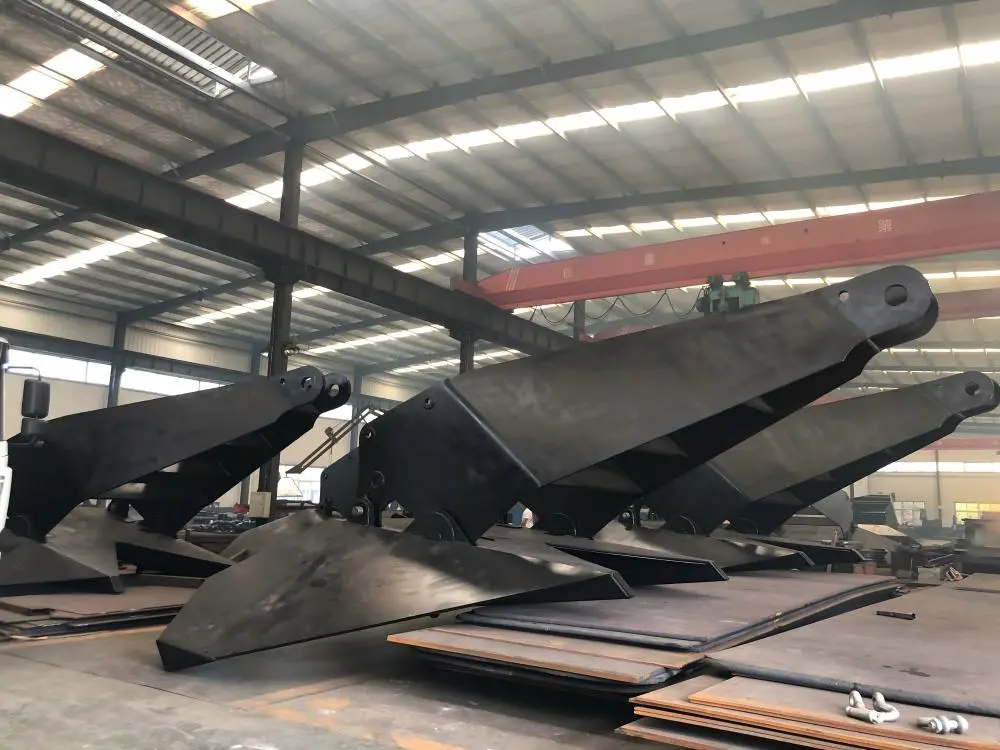
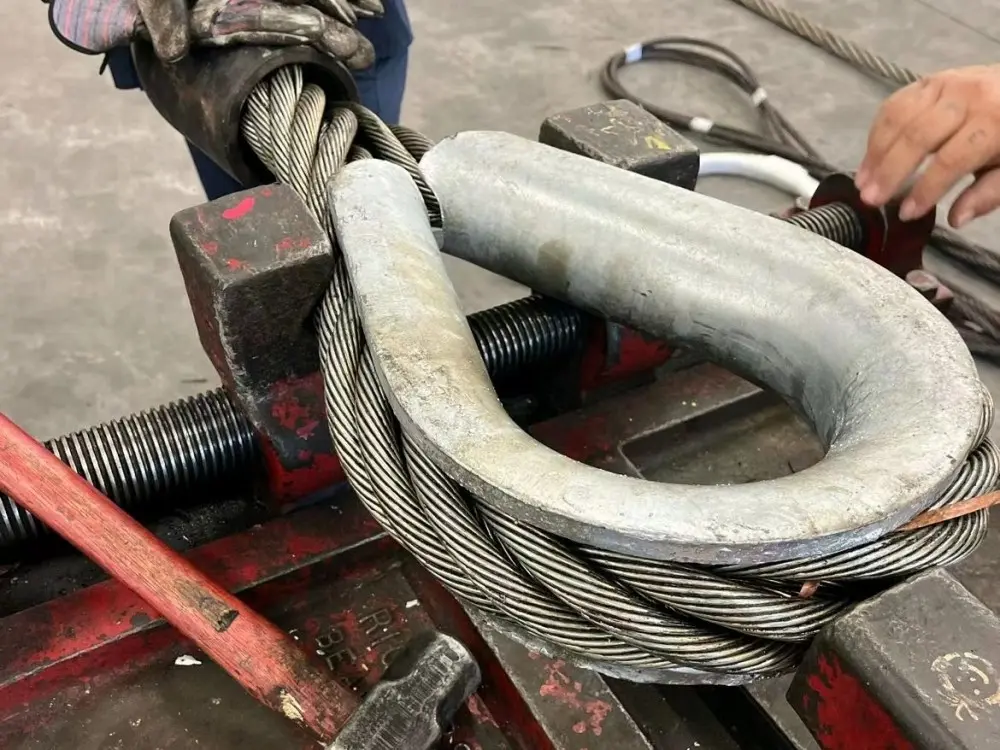
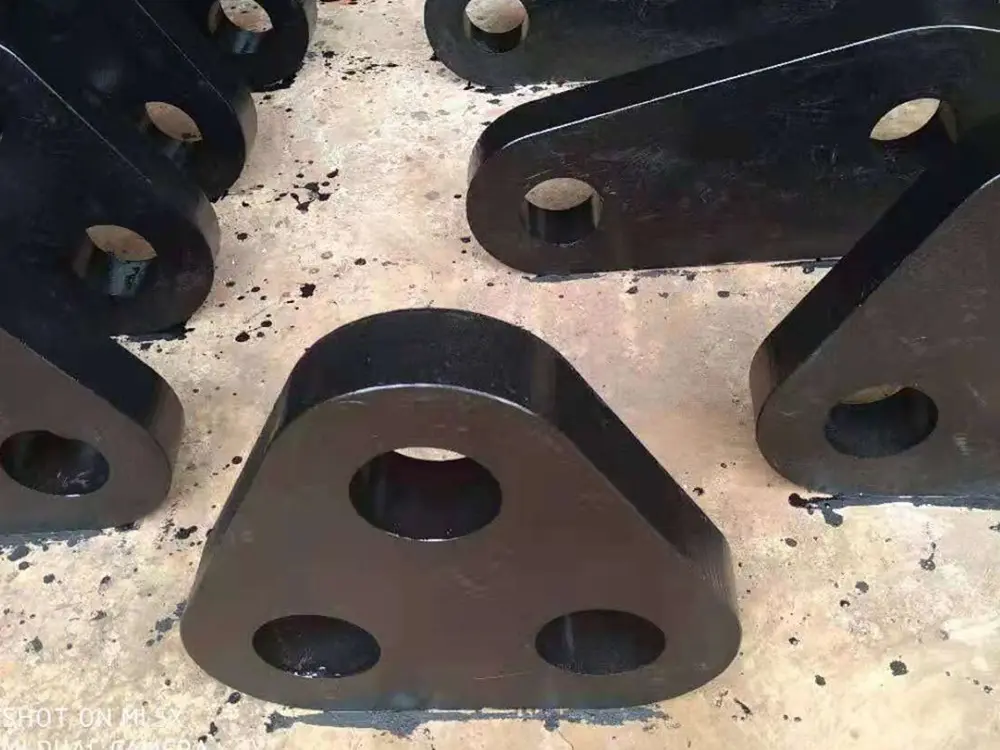
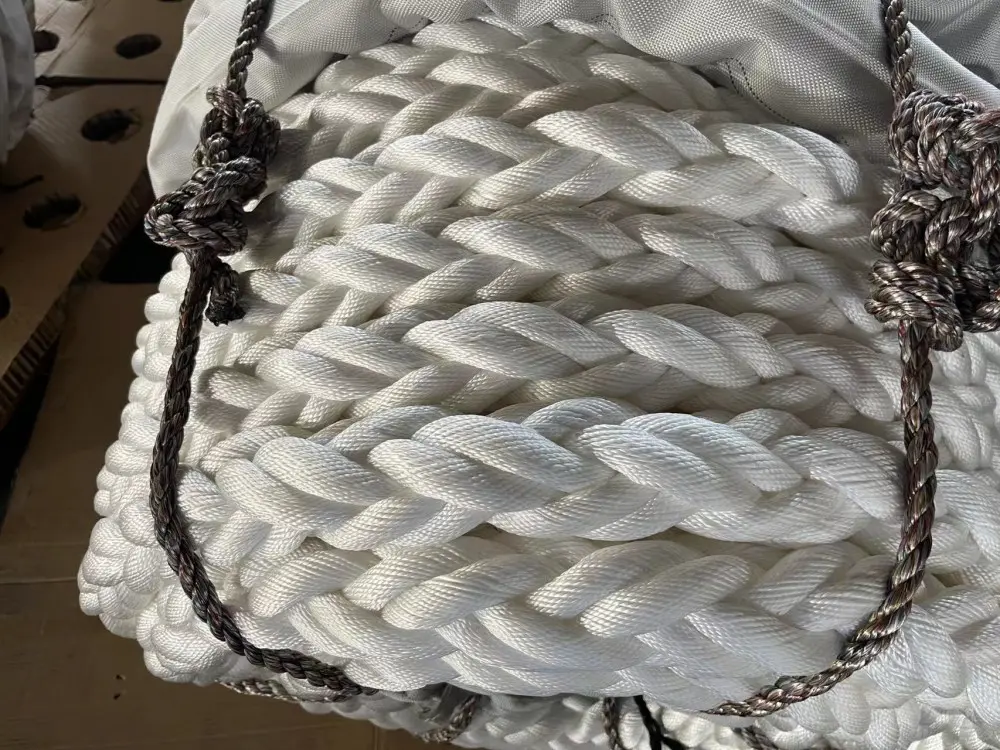
ジェリーボーグ・マリーンは、様々なタイプや形状の係留ブイを製造しているだけでなく、係留関連のアクセサリーも幅広く提供しています。アンカーチェーン、ワイヤーロープ、三角プレート、円形リング、三角リング、シャックル、スイベルリング、各種アンカー(MK5、MK6、デルタなど)をご用意しております。係留用ブイをお選びの際は、係留用付属品に関する標準またはカスタムの要件をお知らせください。また、水深、係留ブイのサイズ、アプリケーションのシナリオなど、お客様固有のニーズに基づいたご提案も可能です。ジェリーボーグ・マリーンはお客様のニーズを最優先に考え、多くのお客様に係留システム一式をご提供しています。これにより、アクセサリーや係留ブイを設置する際のインターフェイスやサイズの互換性の問題を心配する必要がなくなります。.
回転リング
シャックル
アンカーチェーン
三角リング
アンカー
ワイヤーロープ
スリーアイズ・パッド
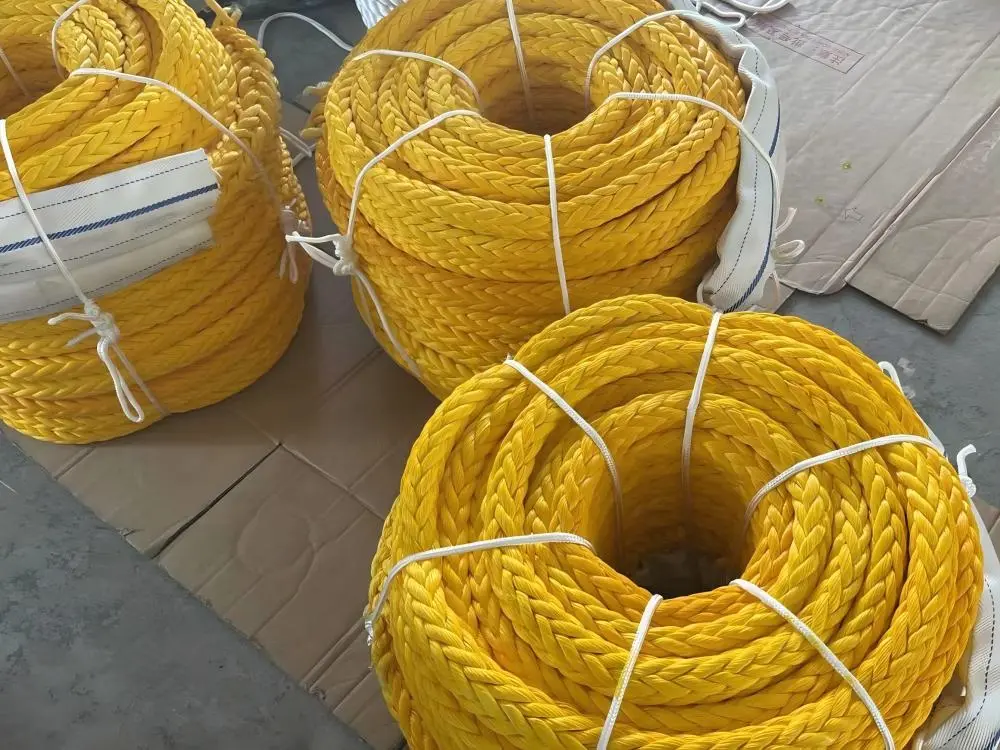
係留ロープ
UHMWPEロープ
The steel used for steel mooring buoys depends on the buoy size, structure, and load conditions. It also depends on the customer’s technical requirements.
After the steel plates arrive at the factory, we cut, roll, assemble, and weld them. For projects with classification society requirements, the material and subsequent inspections are also carried out according to the project requirements.
A Steel Mooring Buoy mainly stays on the water surface through its own buoyancy. The anchor chain and anchor below keep the buoy in position. When the vessel is affected by wind, current, and waves, the mooring load is transferred to the buoy and then carried by the underwater anchoring system.
Steel Mooring Buoys stay in a seawater environment for a long time, so corrosion protection needs to be considered. The steel surface is usually treated first, followed by a primer, intermediate coat, and topcoat, depending on project requirements.
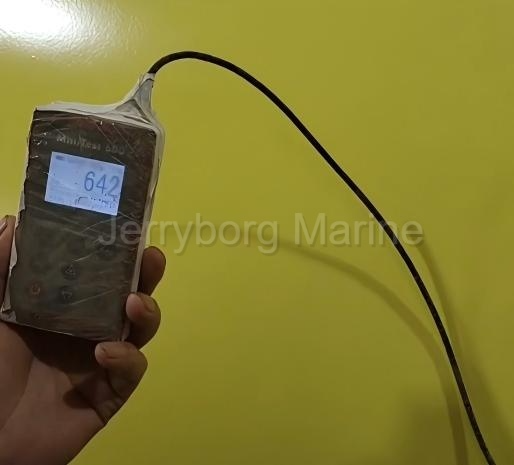
Jerryborg Marine can provide the anti-corrosion coating system for steel mooring buoys to meet ISO 12944-6 C4H requirements. We perform sandblasting and coating-thickness checks during production. We determine the specific coating system based on the project requirements.
ISO 12944-6 is a laboratory test standard for protective coating systems. C4H corresponds to the C4 corrosivity category and a high durability level.
Yes. Some projects have already specified an anti-corrosion paint supplier during procurement. Jerryborg Marine works with a number of anti-corrosion coating brands in China and overseas. Customers can also specify their own supplier. For example, if the project specifies Jotun, we can carry out the coating work according to the corresponding products and coating system requirements. The specific coating system used is based on the project’s corrosion protection requirements.
The steel used for Steel Mooring Buoys is not exactly the same for every project. The material depends on the buoy size, structure, and load conditions. It also depends on the customer’s technical requirements.
Jerryborg Marine purchases steel plates according to the project drawings and material requirements. After the steel plates arrive at the factory, we cut, roll, assemble, and weld them. For projects with classification society requirements, the material and subsequent inspections are also carried out according to the project requirements.
A Steel Mooring Buoy does not have a fixed service life. Its actual service life depends on the seawater environment, frequency of use, load, and daily maintenance. If the anti-corrosion coating is well maintained, the Steel Mooring Buoy can be used for a longer time.
Steel Mooring Buoys and Foam Buoys have different structures. A steel mooring buoy mainly uses the steel shell and internal structure to provide overall strength, while a Foam Buoy uses foam material to provide buoyancy. The two products are also different in weight, buoyancy, and use.
When making a steel mooring buoy, it is better to first determine the buoyancy, working load, mooring method, and installation conditions. If customers already have design drawings, production will be more direct. If not, you can provide the mooring requirements first.